Tibet: Youth Has No Price Tag, and the Train Goes Straight to Lhasa
I had a dream in Tibet.
On January 24, 2024, I boarded Z264, the train from Guangzhou straight to Lhasa, and the trip began.
Z264
1.24
The morning of the 24th brought a few small troubles. Luckily none of them made me miss the train.
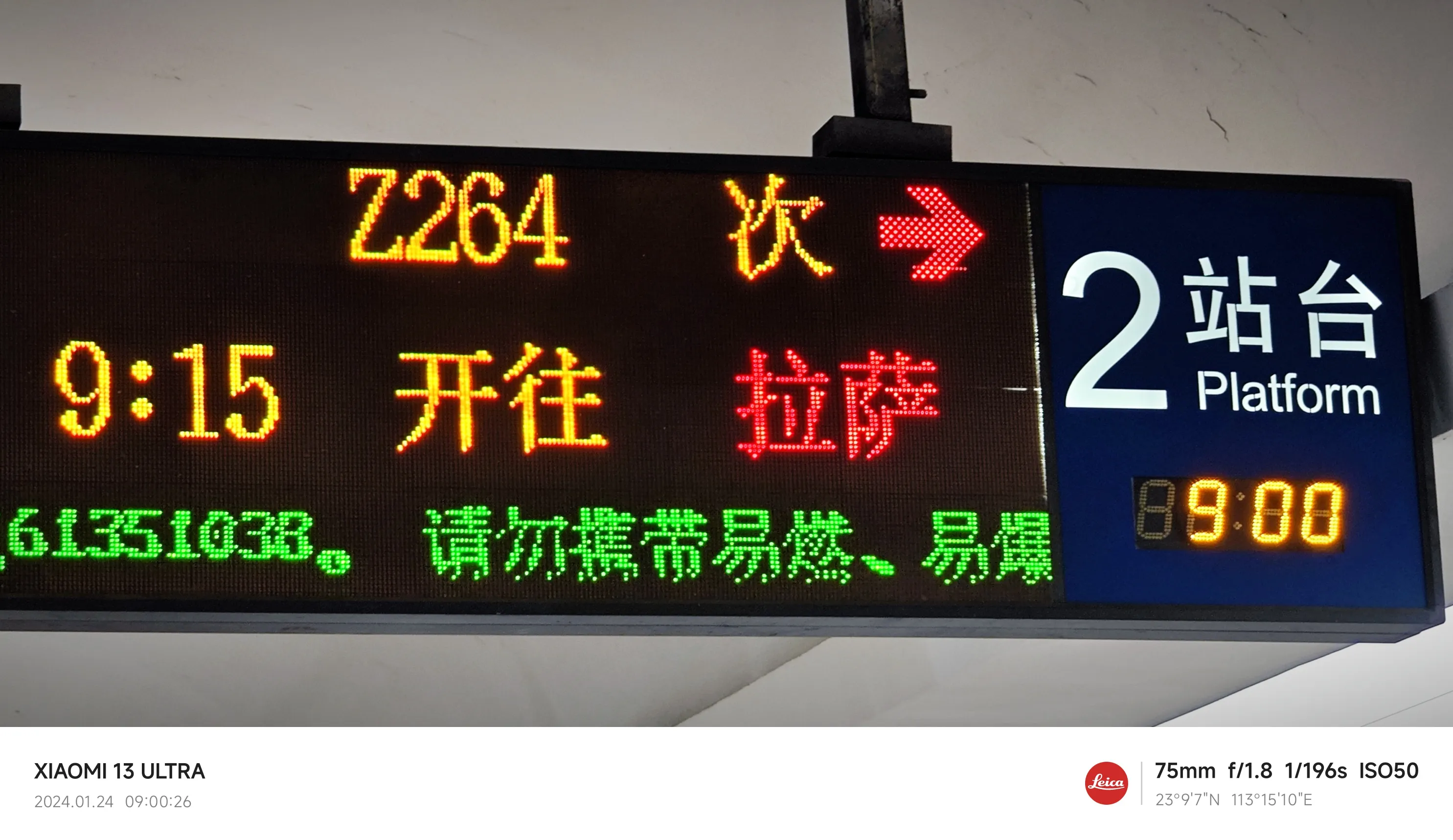
I followed the crowd into the carriage and stowed the luggage in a hurry. Soon an attendant handed over the “life-and-death form”: the passenger health card.
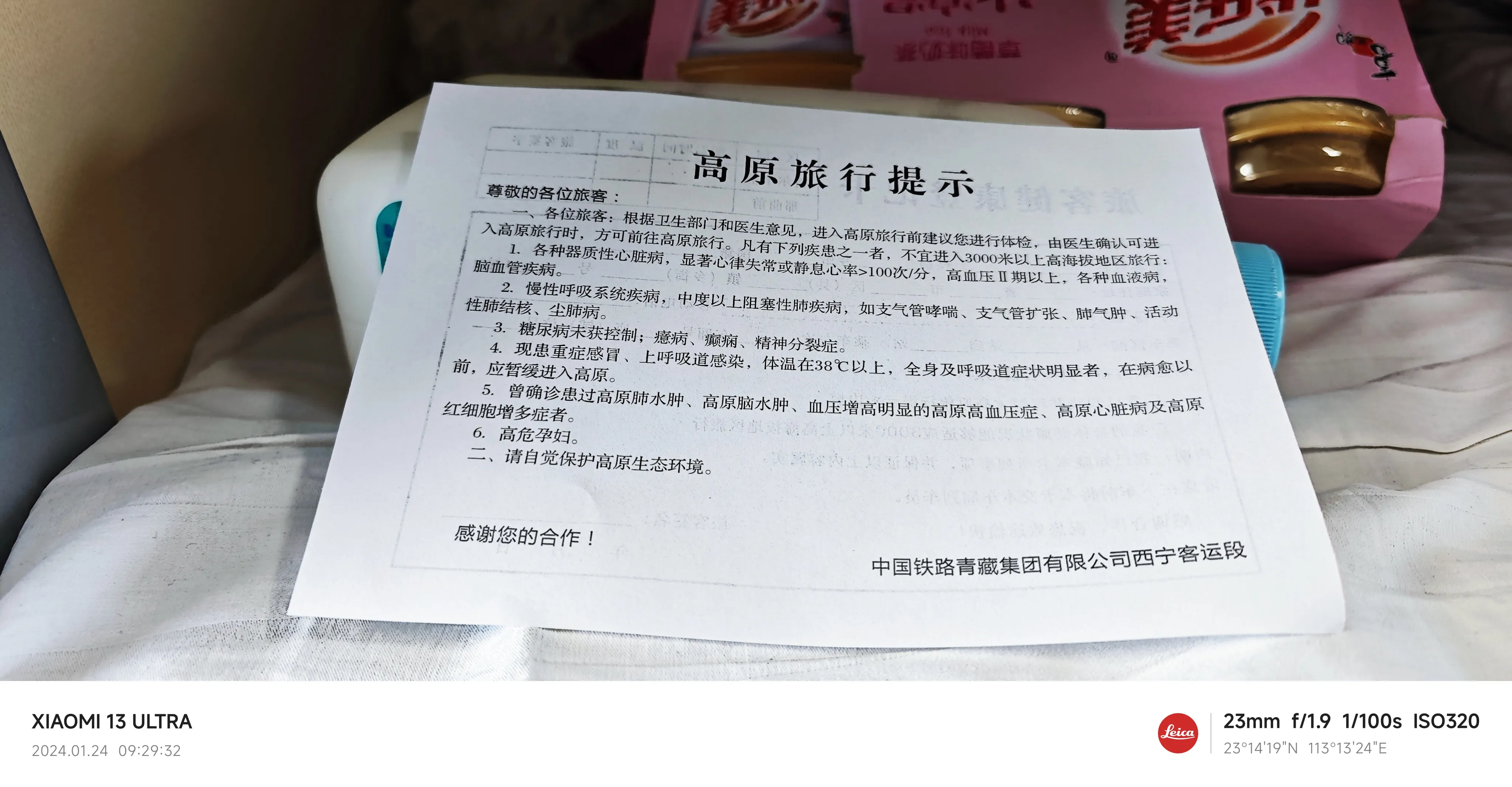
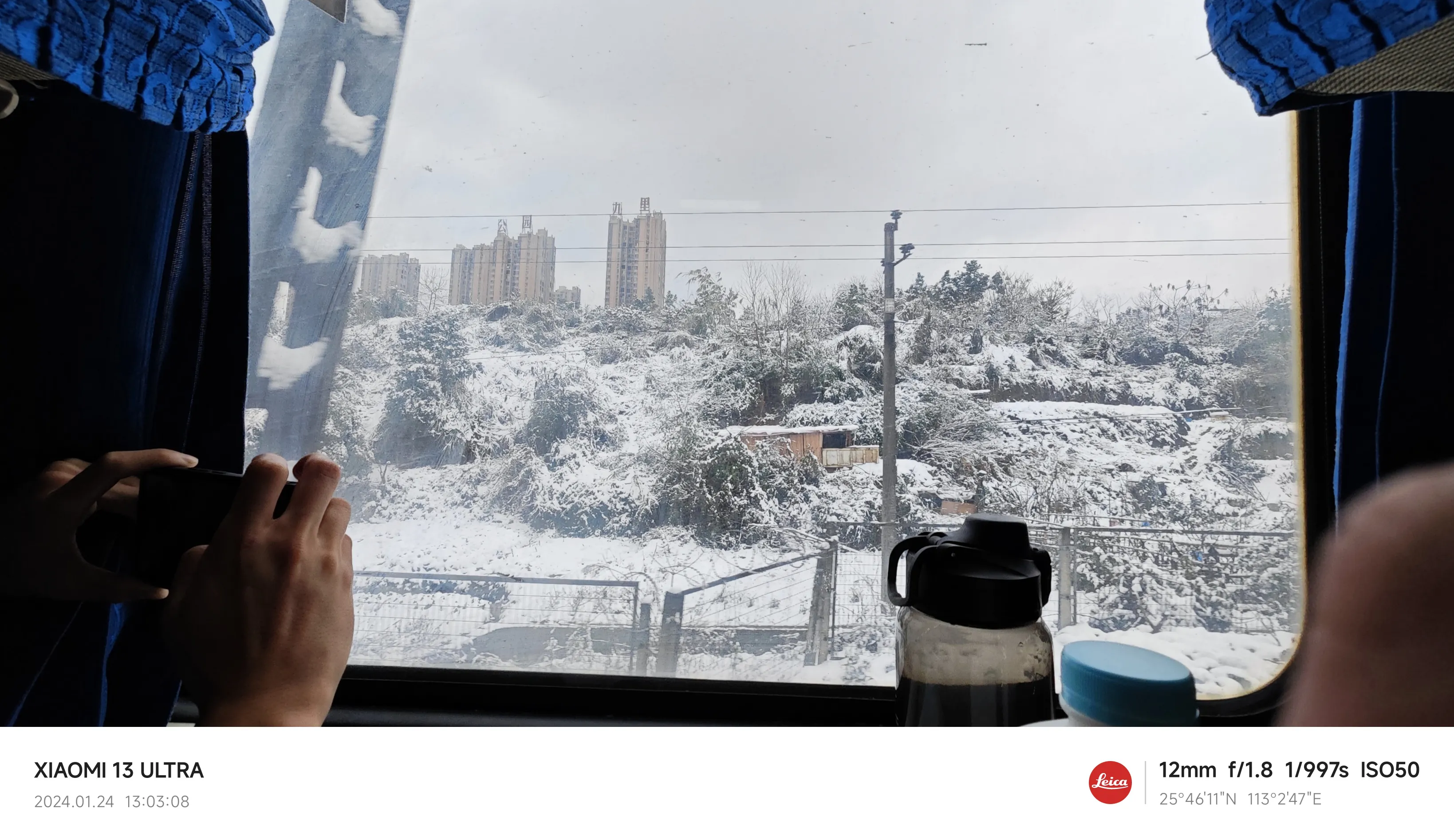
I filled in my details and went to bed. When I woke, the train was in Chenzhou, Hunan.
Xiao Luo
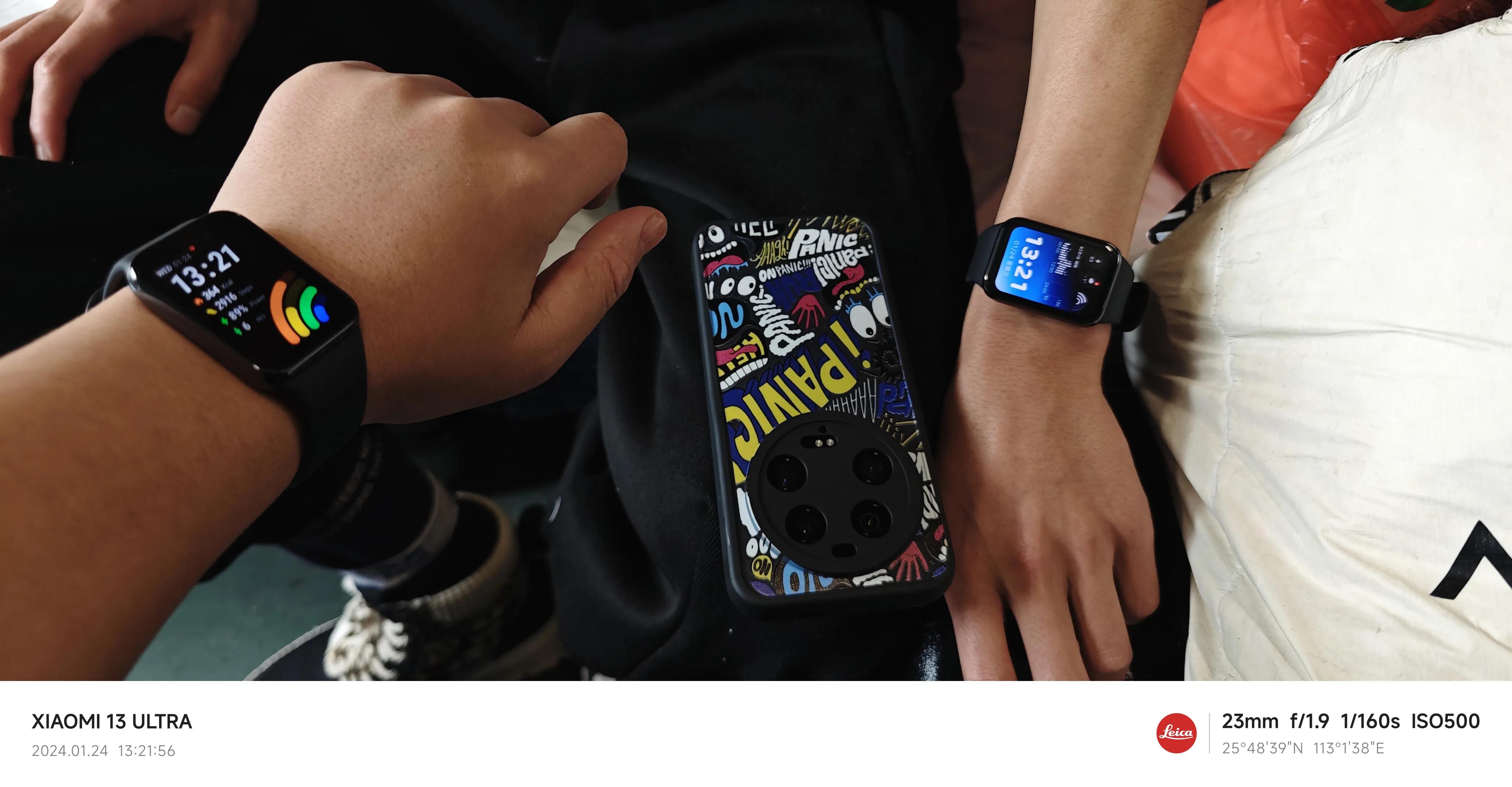
The boy in the bunk below me, Xiao Luo, is nineteen. By coincidence we had the same phone and the same band.
I asked why he was going to Tibet. He said:
“Two years ago, by chance, I joined a group chat that was something like hiking partners. I got to know them, and the idea of a trip to Tibet showed up. After nearly a year of planning, the train finally left today.”
Time on a train is long. We watched the snow go by and told each other our stories.
Bing
Before I noticed, we were in Changsha, and a new friend got on. Bing.
Tickets from the first station are easier to buy, so she had paid for two extra stops and boarded in Changsha.
Why Tibet? She said it with her whole voice:
“Because Tibet is an obsession. And I have been in a bad mood. So I left.”
Around eight in the evening we crossed the Wuhan Yangtze River Bridge. Lights slid past the window. The moment was that beautiful.
The signal on the train is poor, and the night is hard to get through.
So…
Bing took out a deck of cards. Xiao Luo took out the flags he had packed in advance.
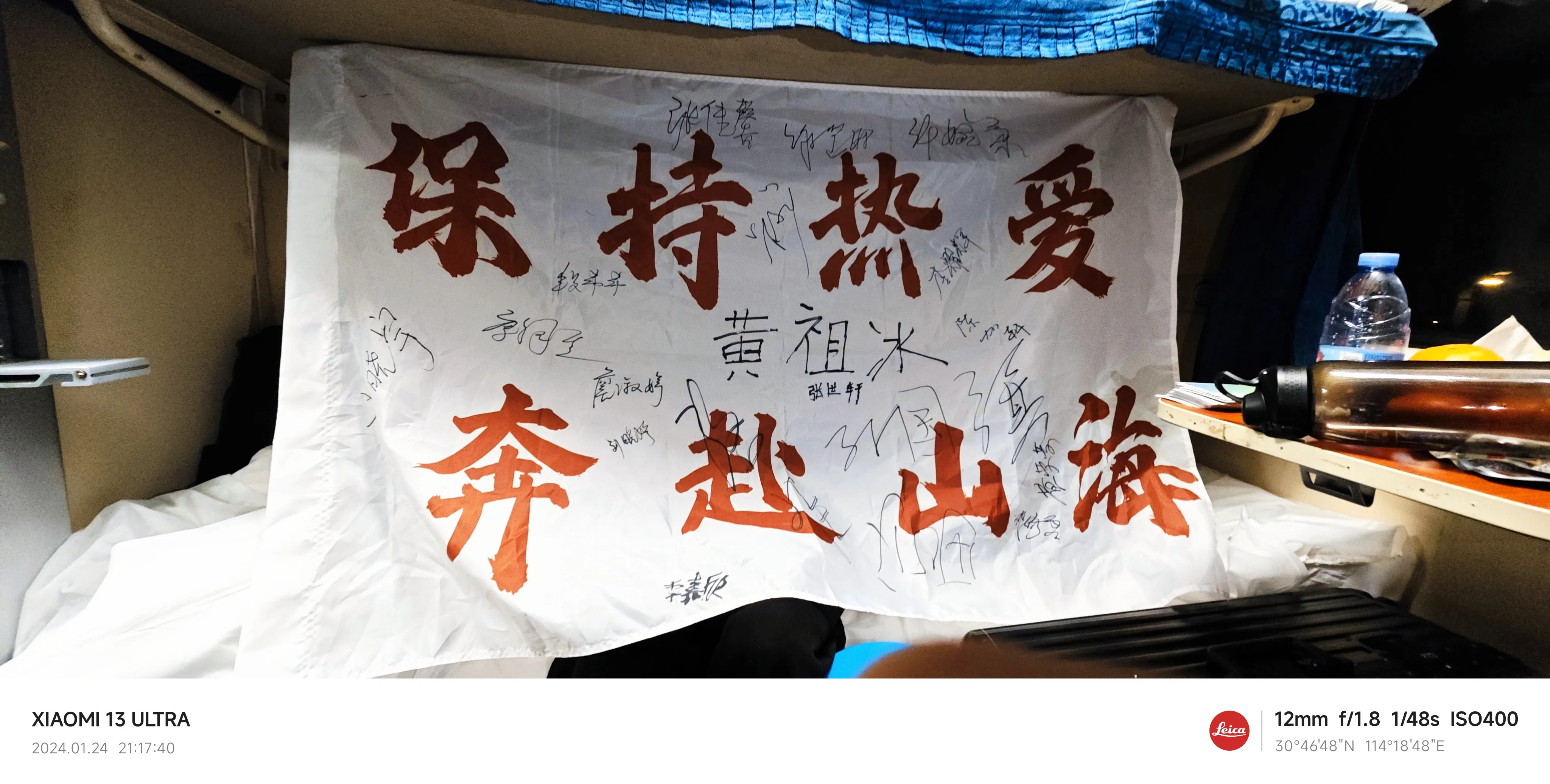
1.25
The next morning the train reached Xi’an.
Most of us woke to the noise of people getting off. Wash, eat, and look forward to the second day.
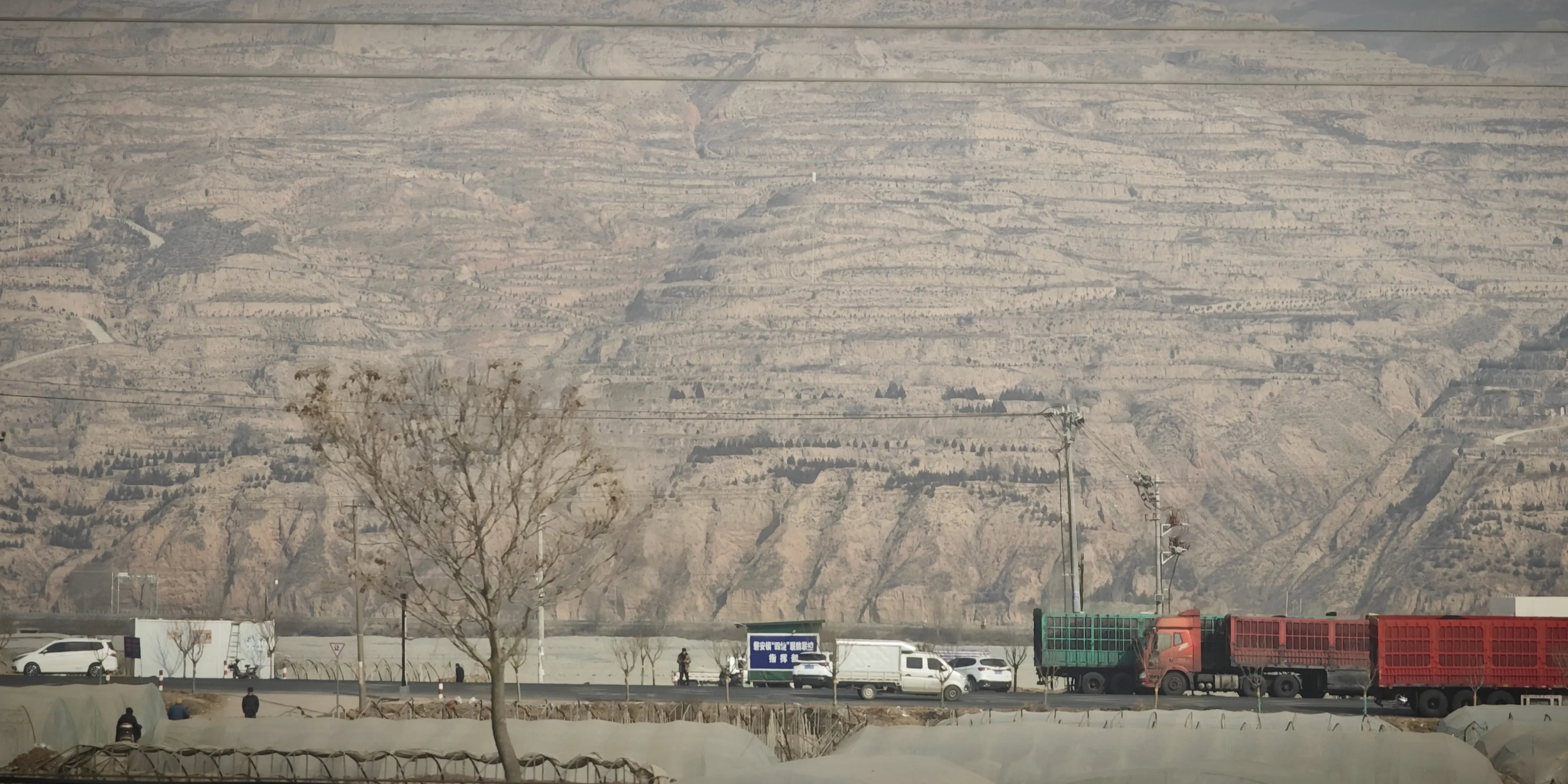
Xi’an sits on the second of China’s three great steps of terrain. Past Xi’an, the next stop is the Loess Plateau.
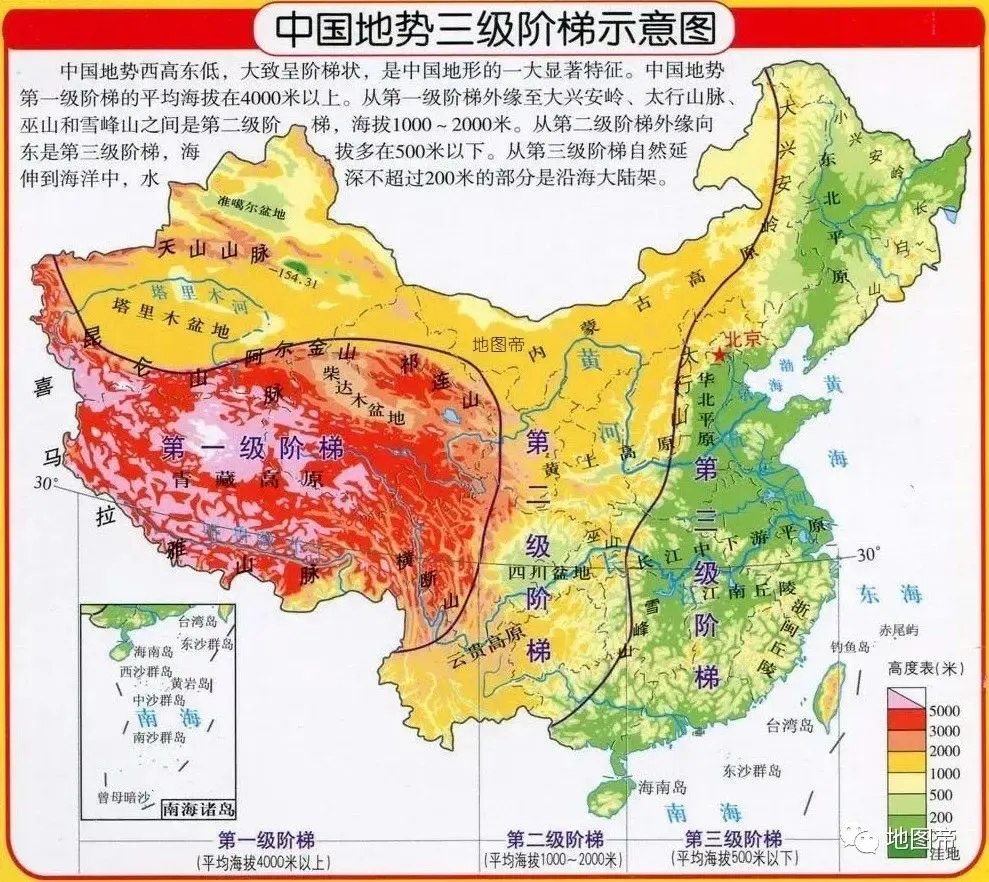
It was my first time on this land. What rose in me was respect for the people who live here.
“Barren ground will not grow a rose. The hard liquor of the northwest is enough to water a long feeling.”
Lanzhou
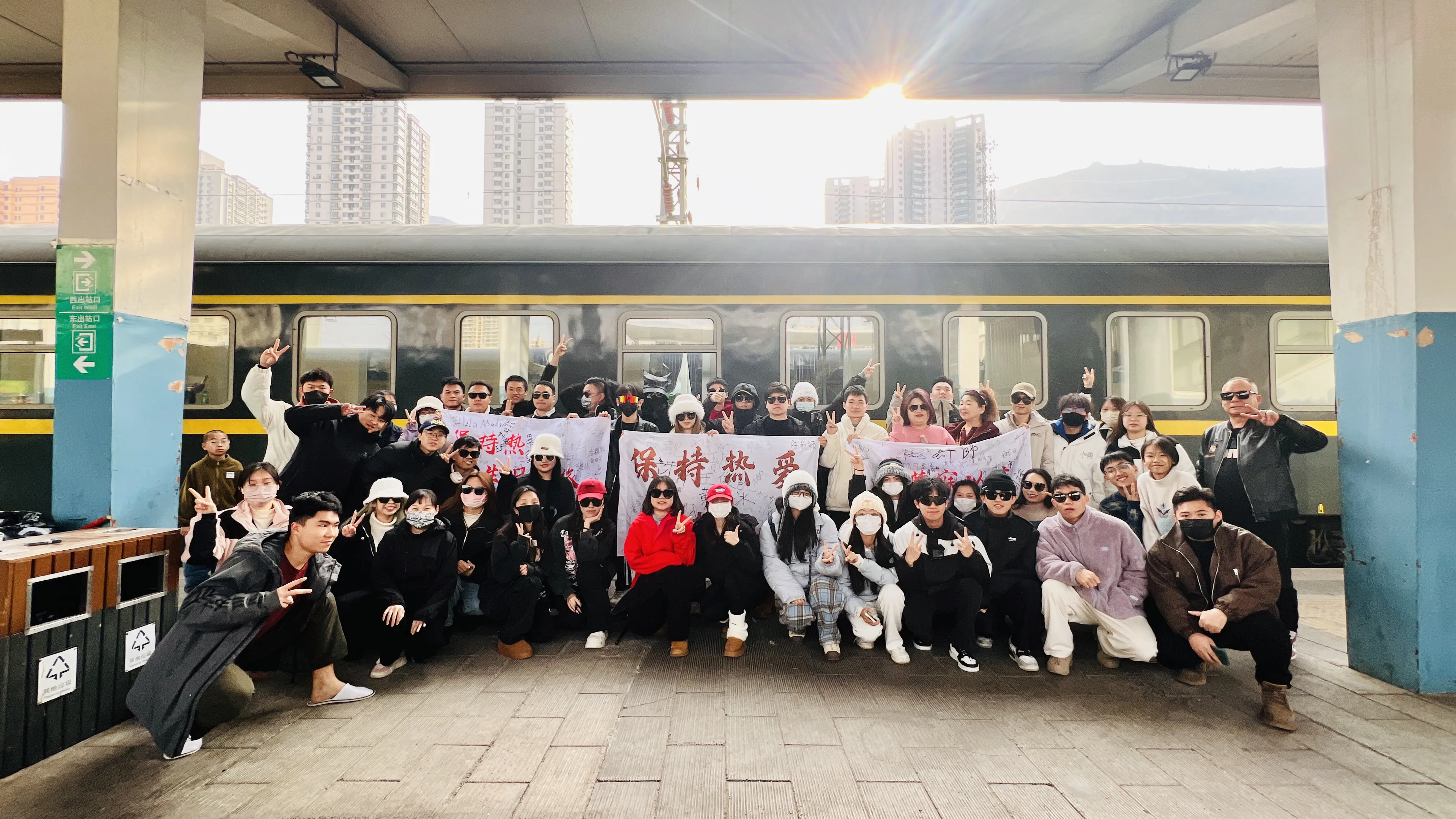
I set out alone, and the road was full of friends. At Lanzhou Station we made a group chat, took one large photo, and the mood caught all at once.
Xining
Around six in the evening we reached Xining and changed onto the oxygenated train.
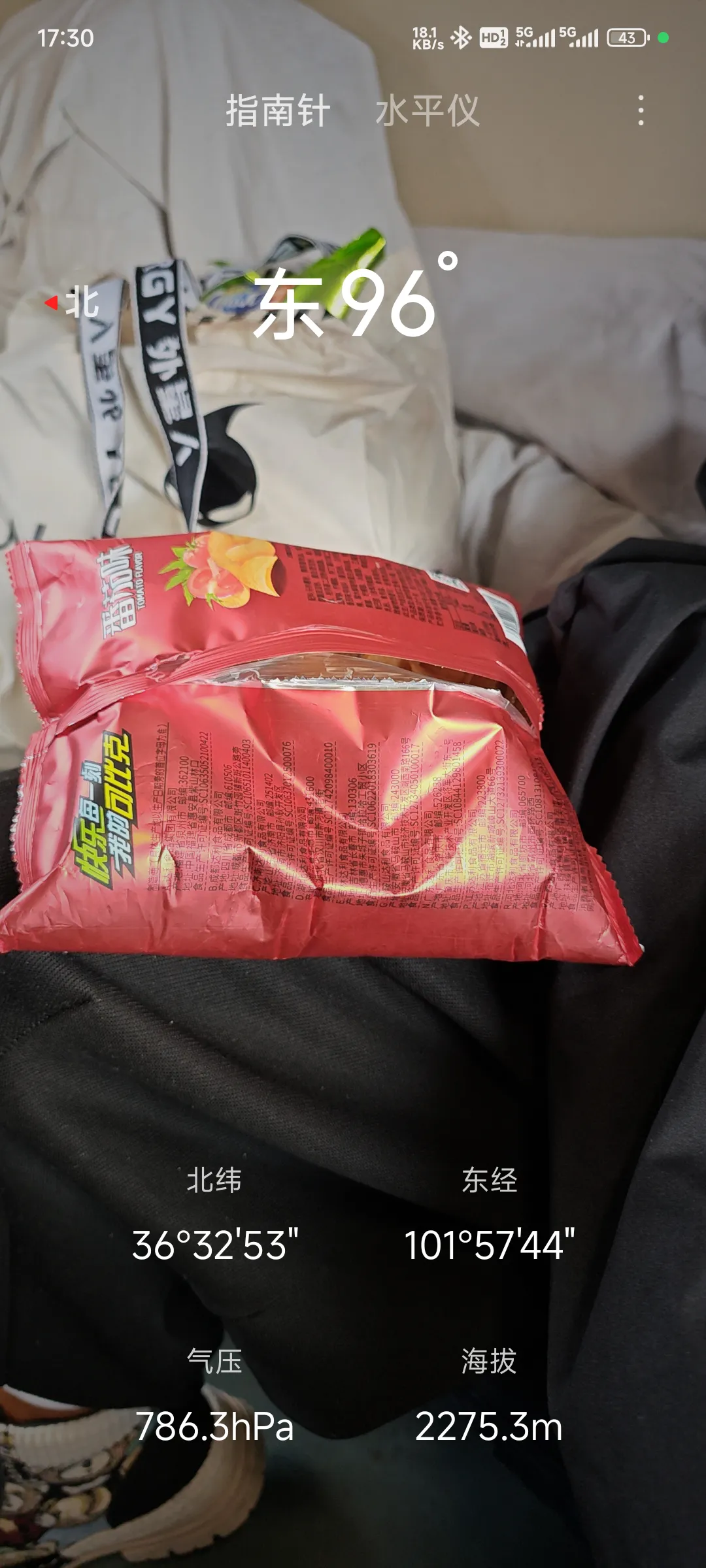
The elevation there is about two thousand meters. The younger ones we called the little chips were already feeling the altitude.
Most of the people with us were entering Tibet for the first time. None of us knew whether our bodies could live above three thousand meters.
1.26
Tanggula Pass
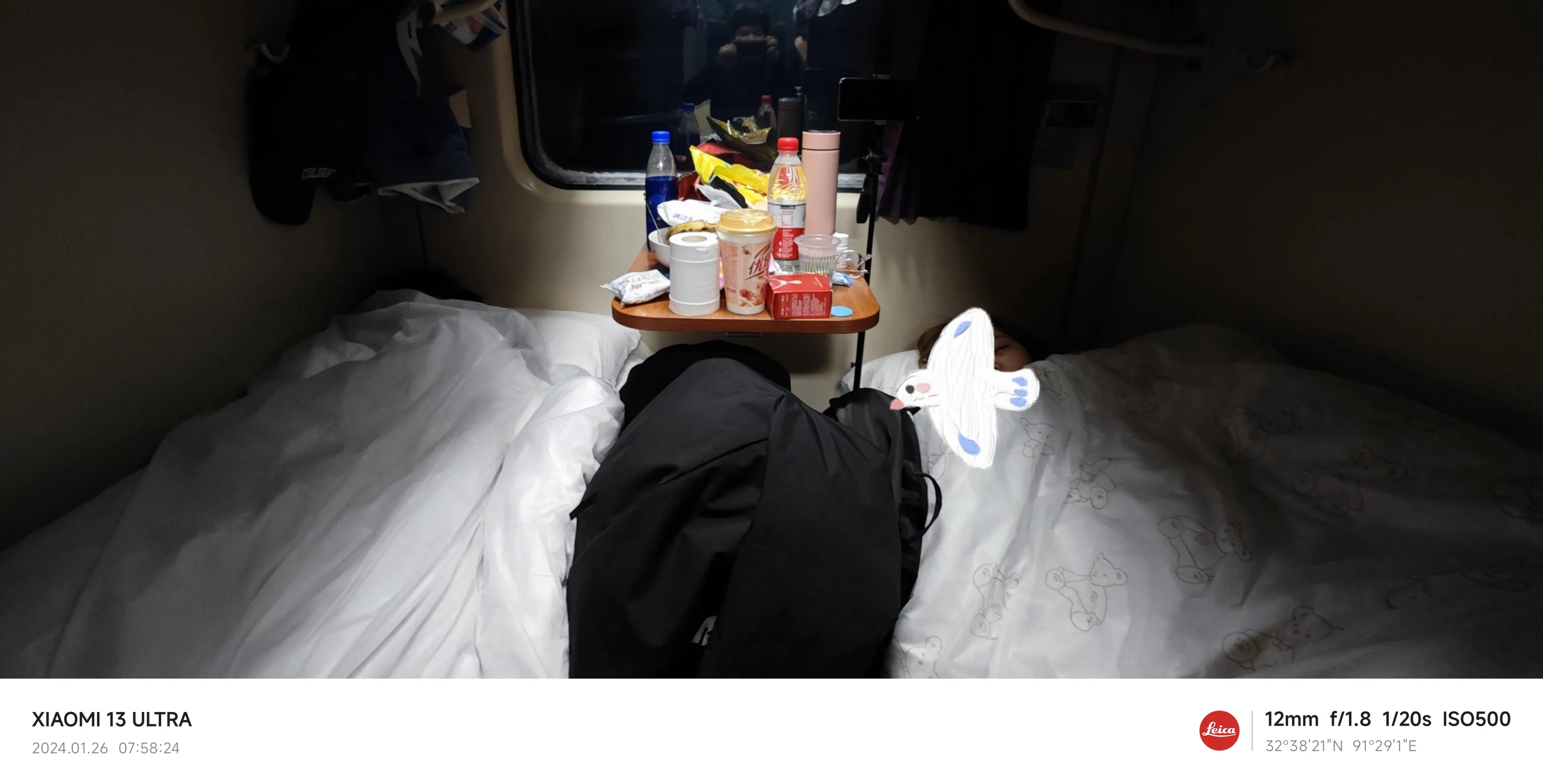
The next morning we reached the highest point on the Qinghai–Tibet railway, Tanggula Pass.
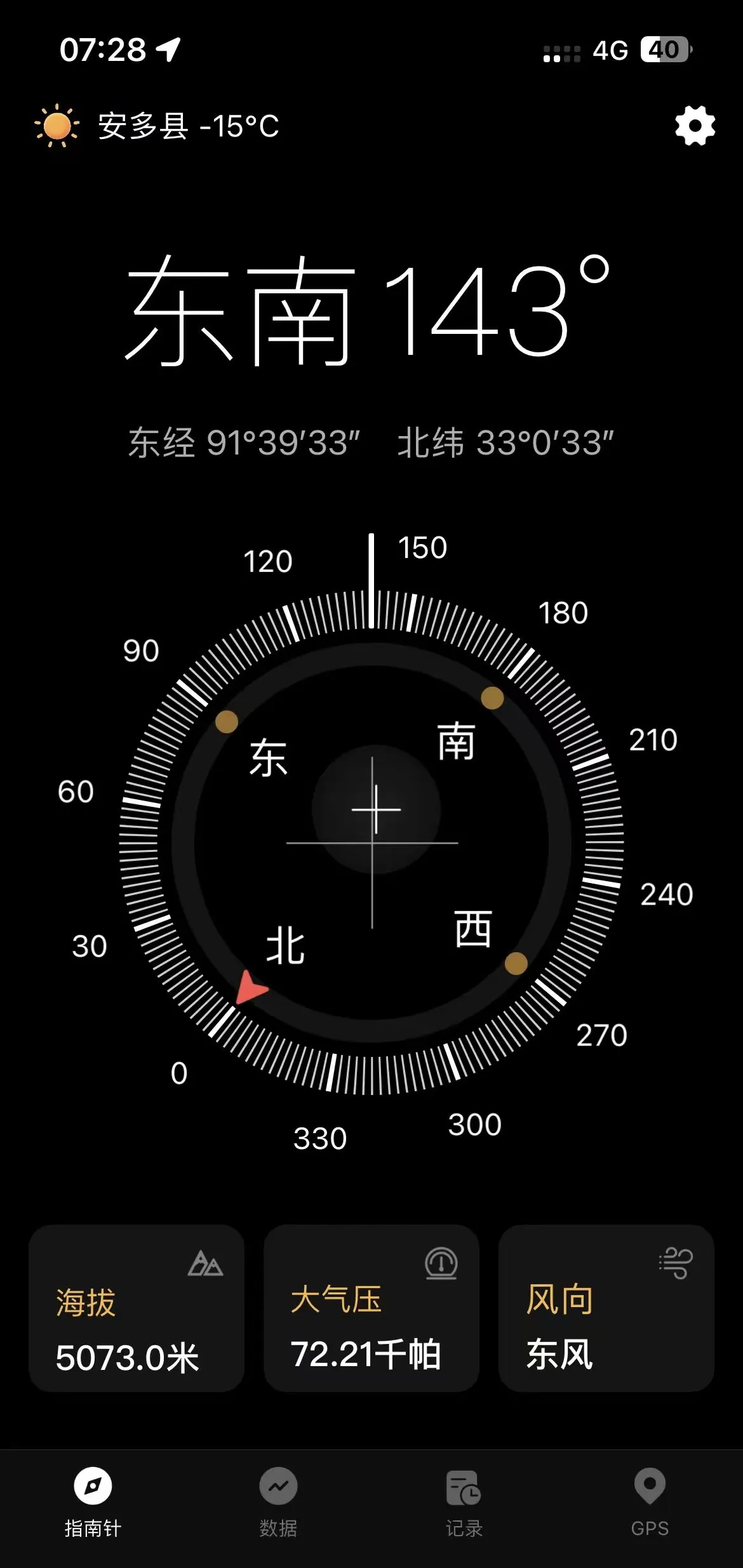
The elevation was past five thousand meters. Xiao Luo and Bing both started to feel unwell.
I was all right, apart from eyes that had gone painfully dry.
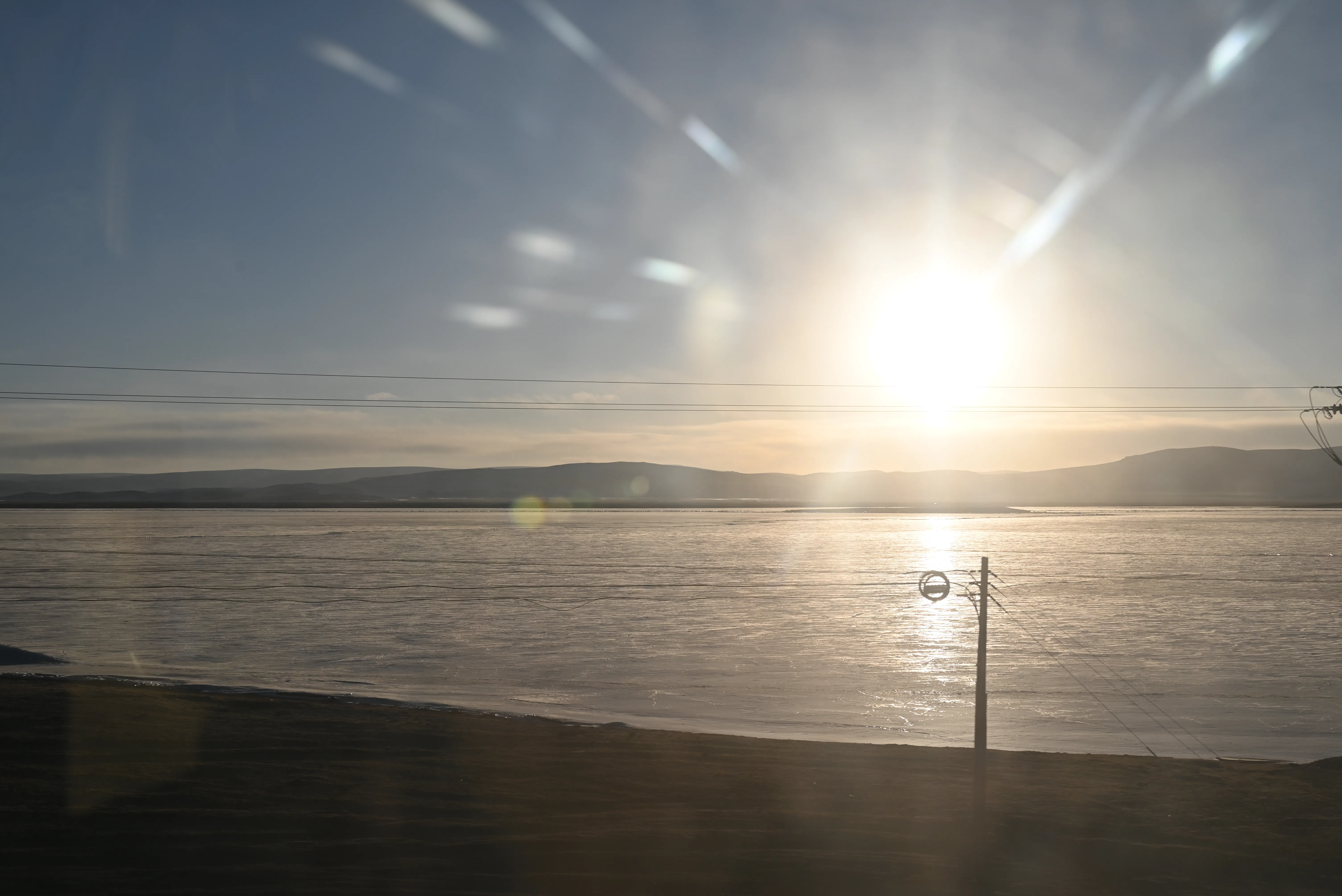
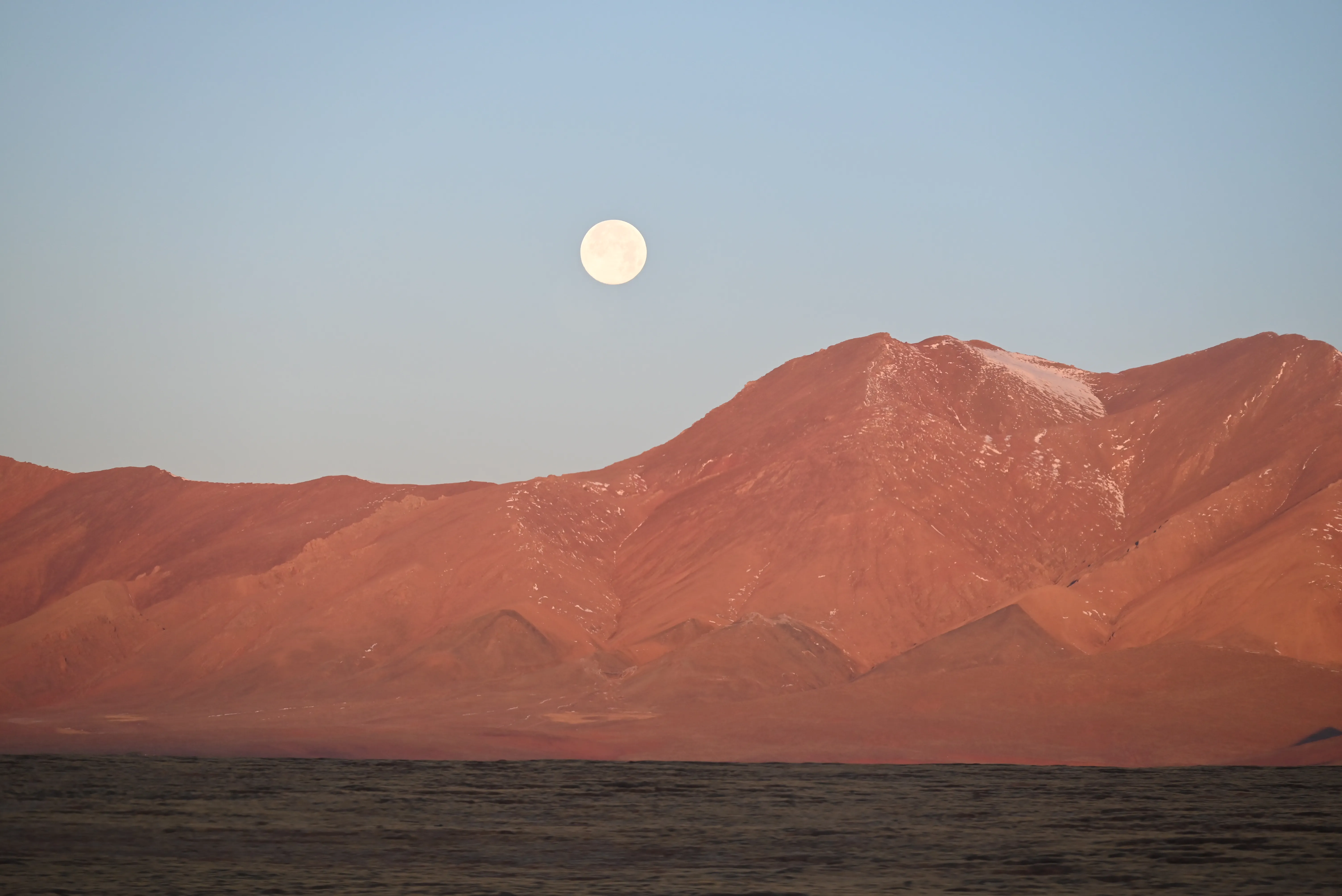
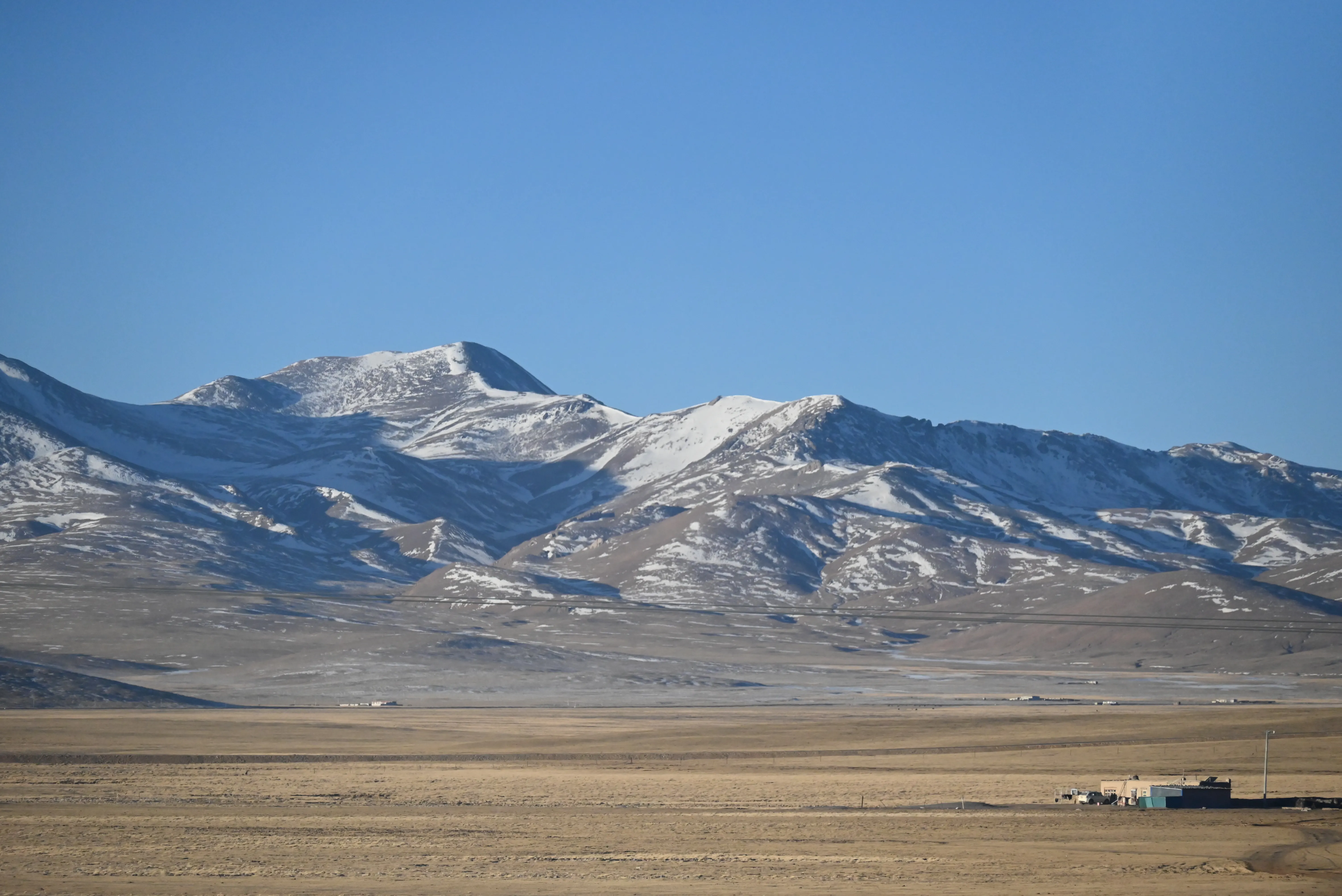
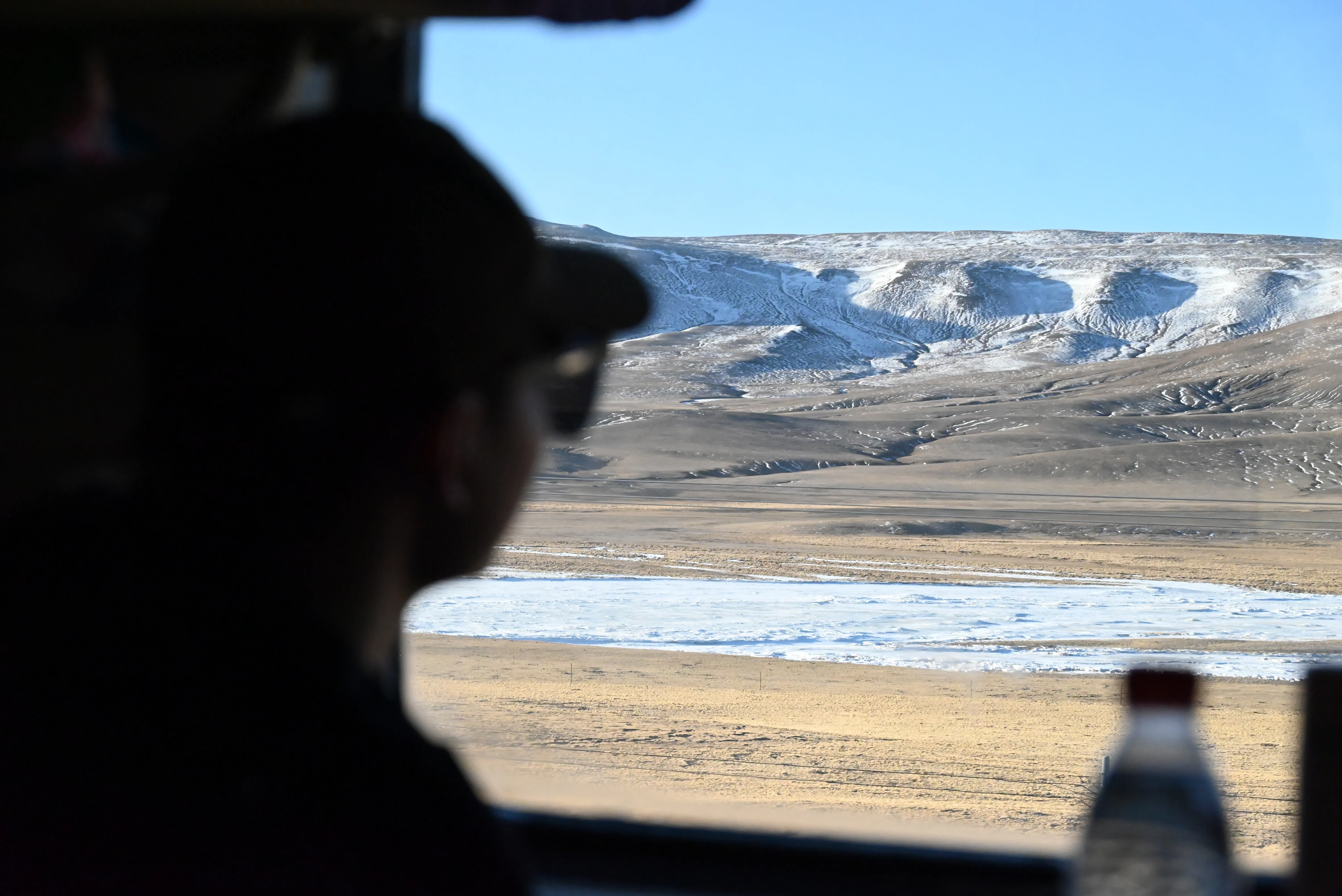
The sun came up slowly. The light grew, and the land along the tracks began to look like a dream.
Potala Square
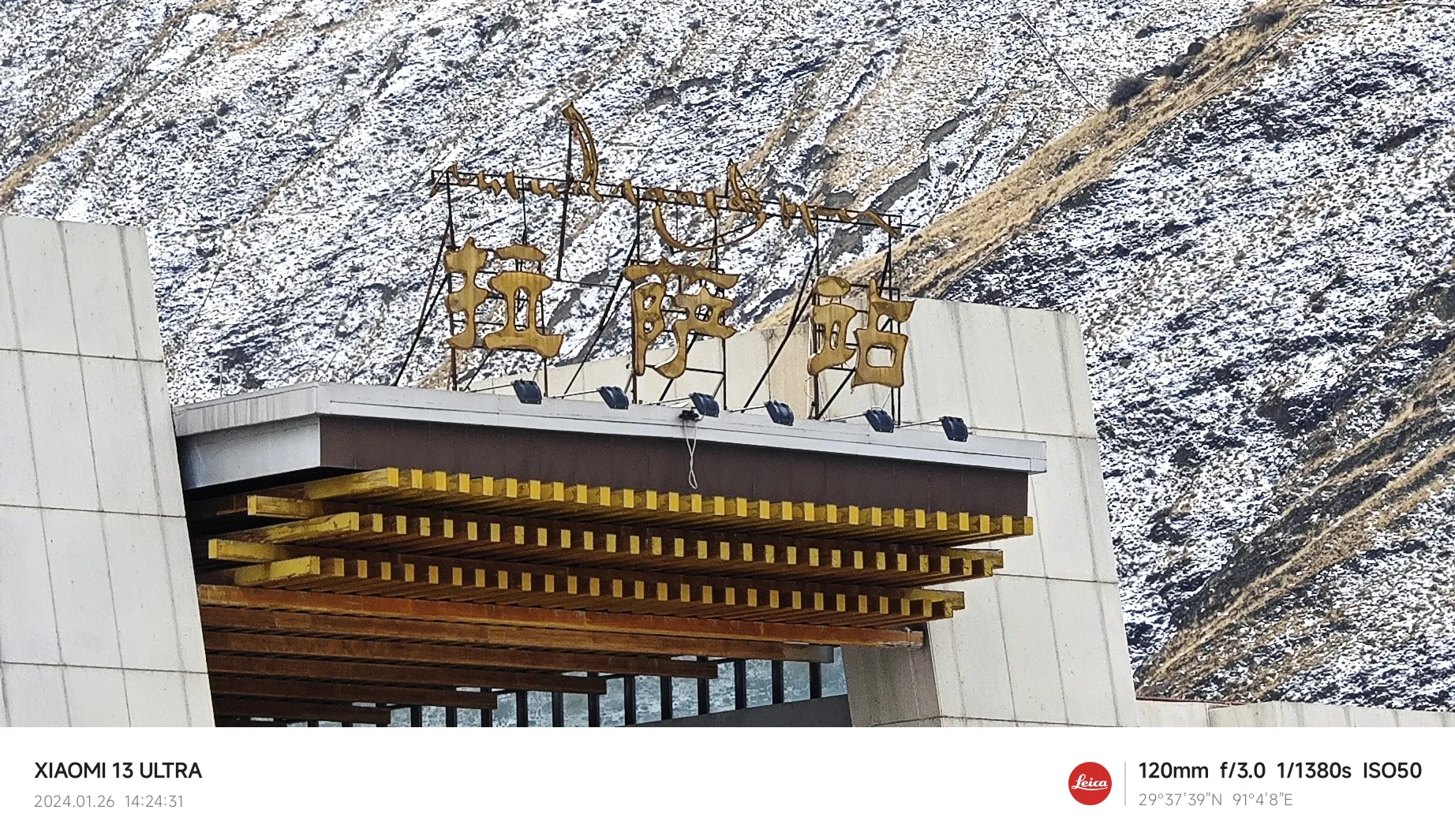
On the afternoon of January 26 the train finally reached Lhasa Station.
Bing and I rode into the city. Like a dream, we were standing at the foot of the Potala.
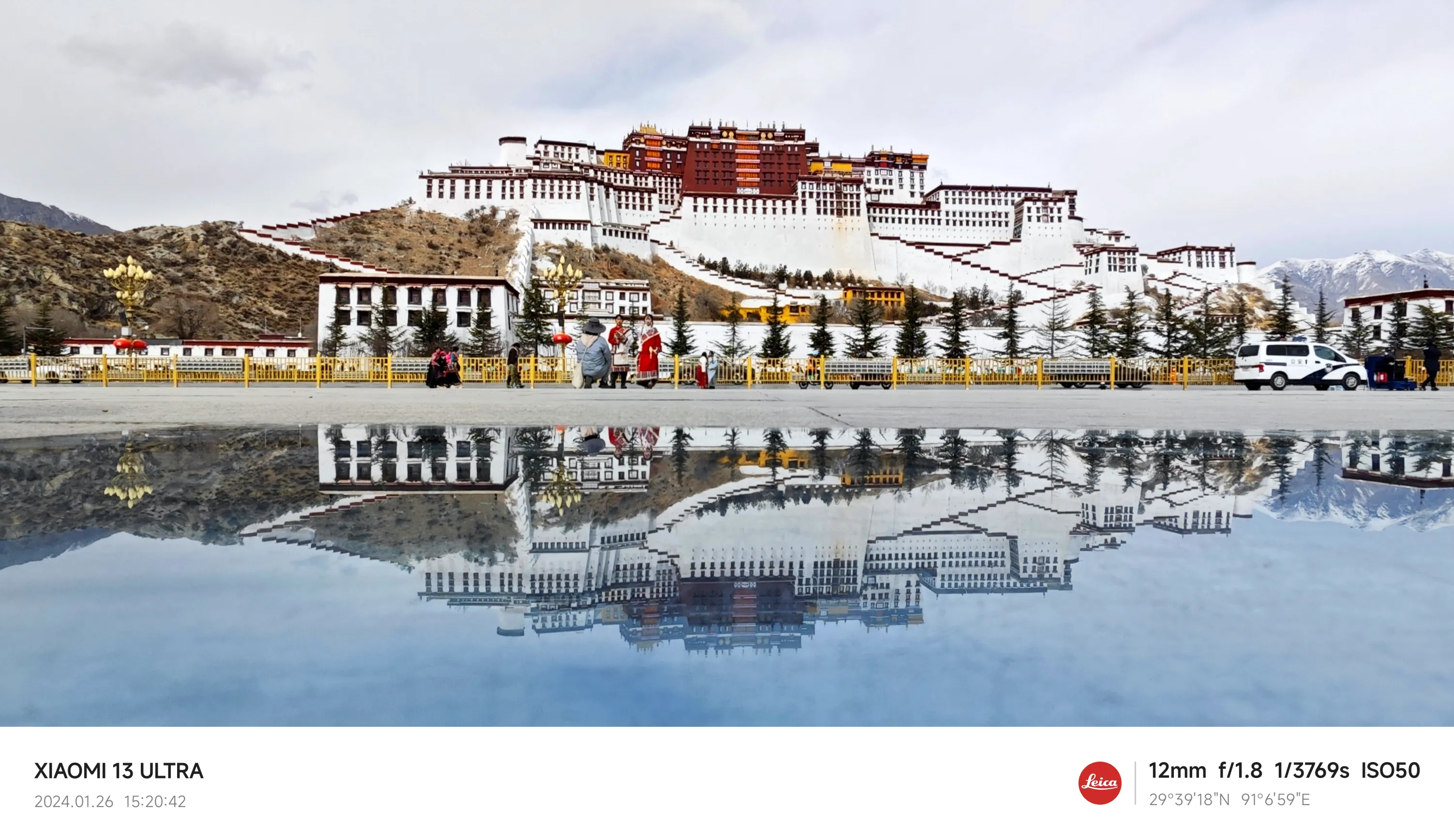
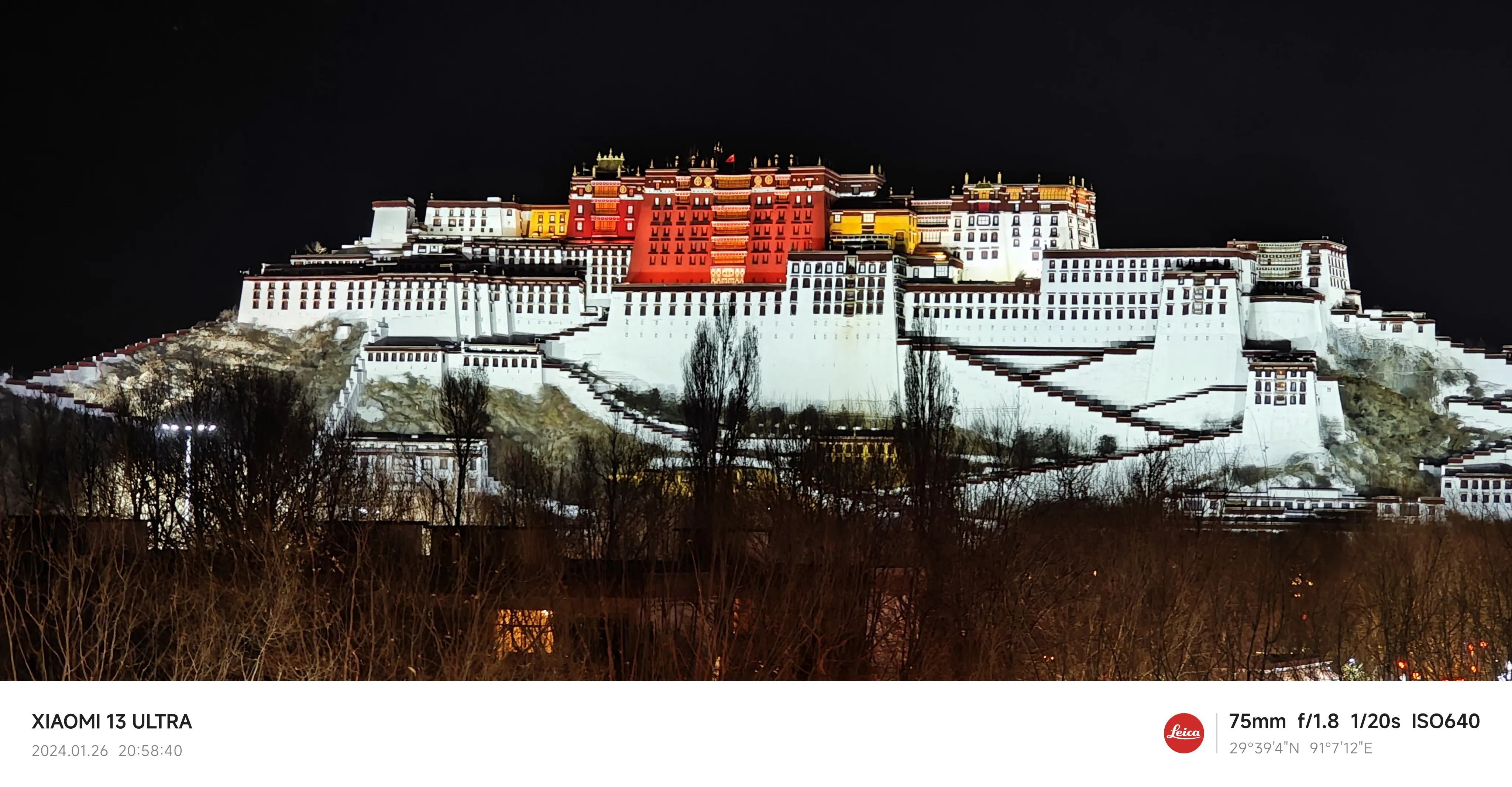
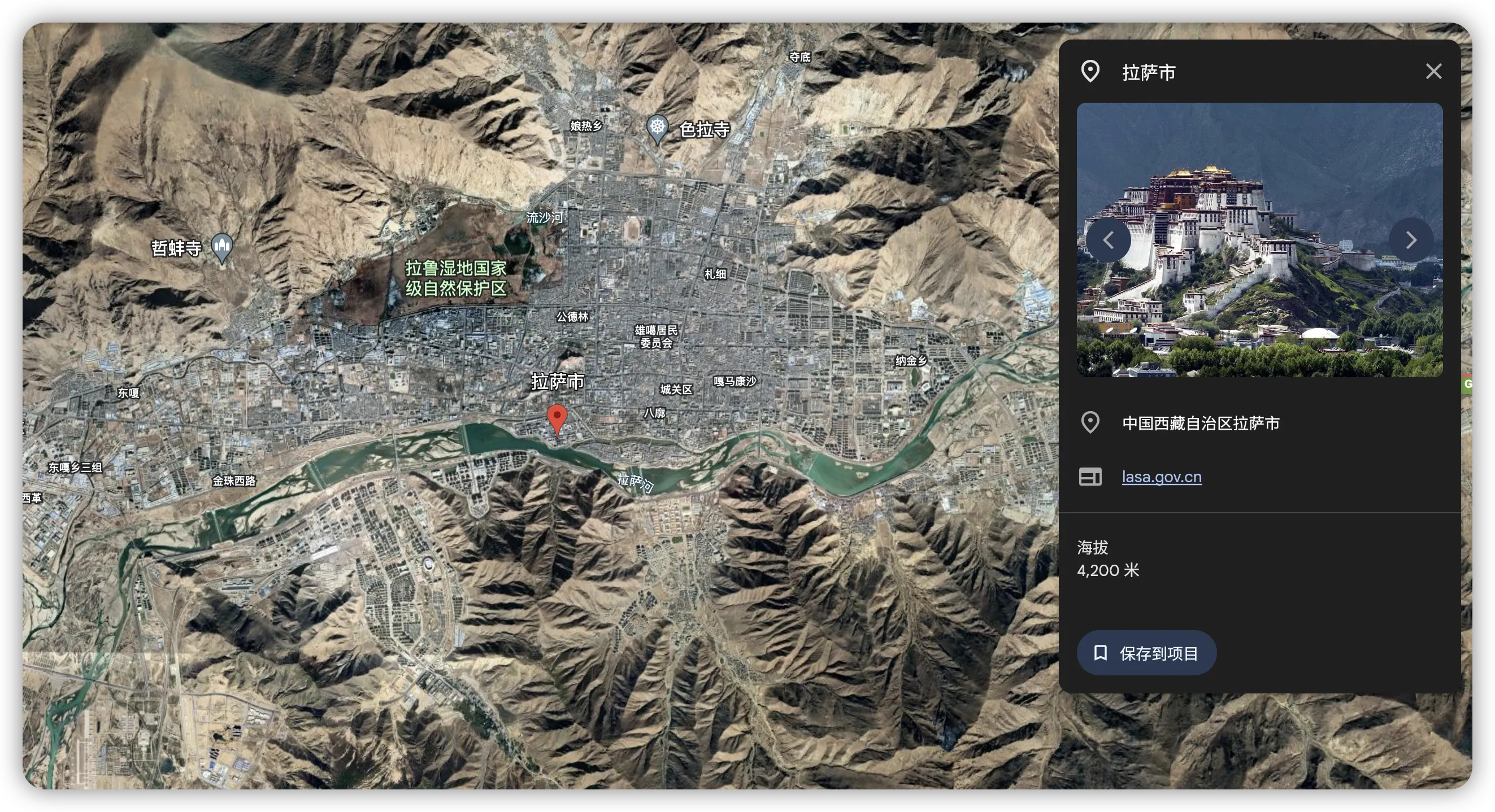
Lhasa
Lhasa sits in a small basin with mountains on every side. The average elevation is 3,663.5 meters. It is a holy city of Tibetan Buddhism, and the political, economic, and cultural center of Tibet.
1.27
I had not expected to sleep so sweetly the first night.
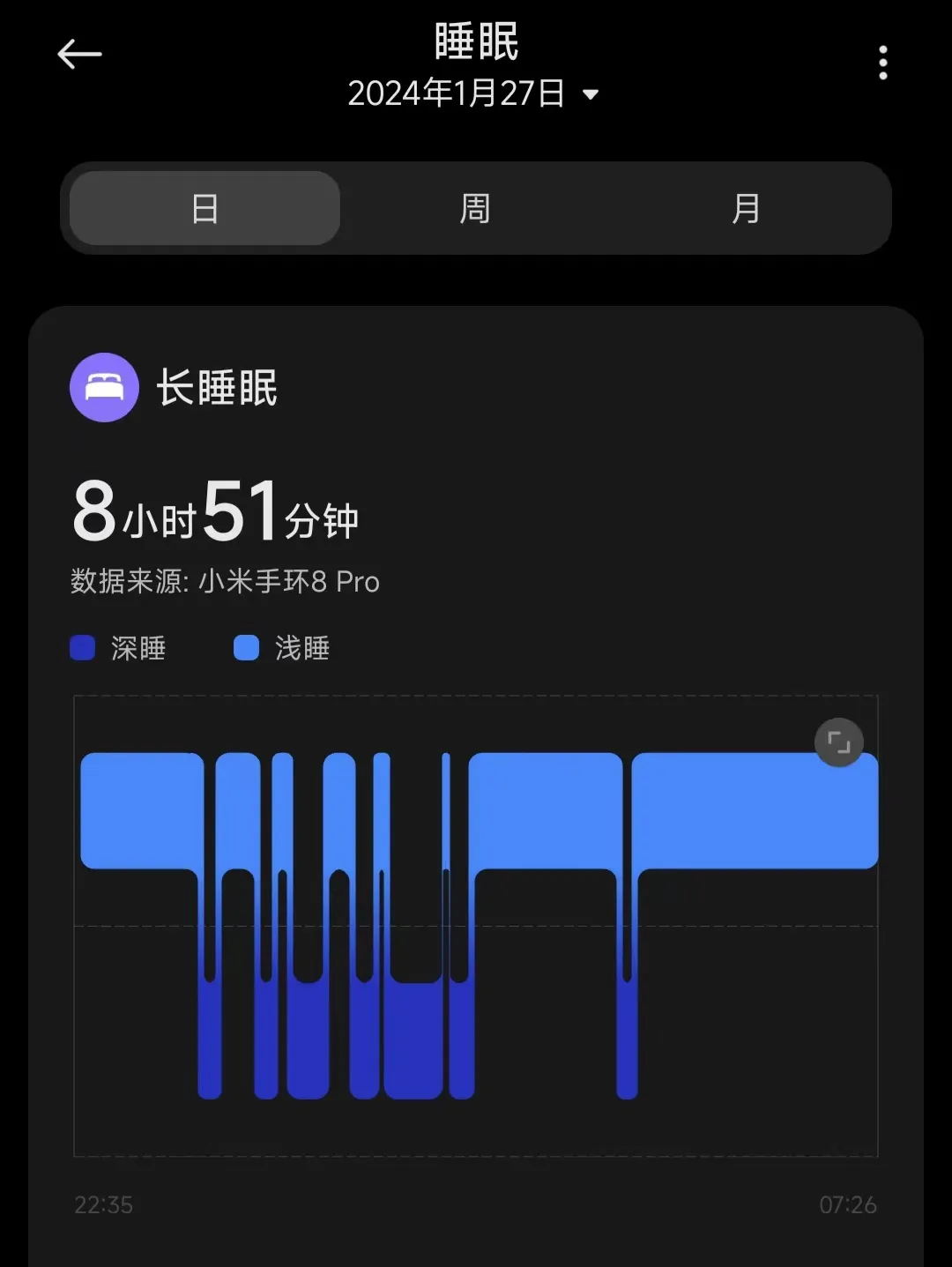
Bing was less lucky.

To ease into the plateau, Bing and I planned to walk around the Jokhang first, then go to Chakpori and Potala Square.
The Jokhang
The Jokhang came first. The city of Lhasa came after.
It was built in the seventh century, at the height of the Tubo kingdom, and it holds a life-sized statue of the Buddha at eight years old. It is the most sacred temple in Tibet, the spiritual center of Lhasa.
We had no reservation, and we were sorry not to go inside.
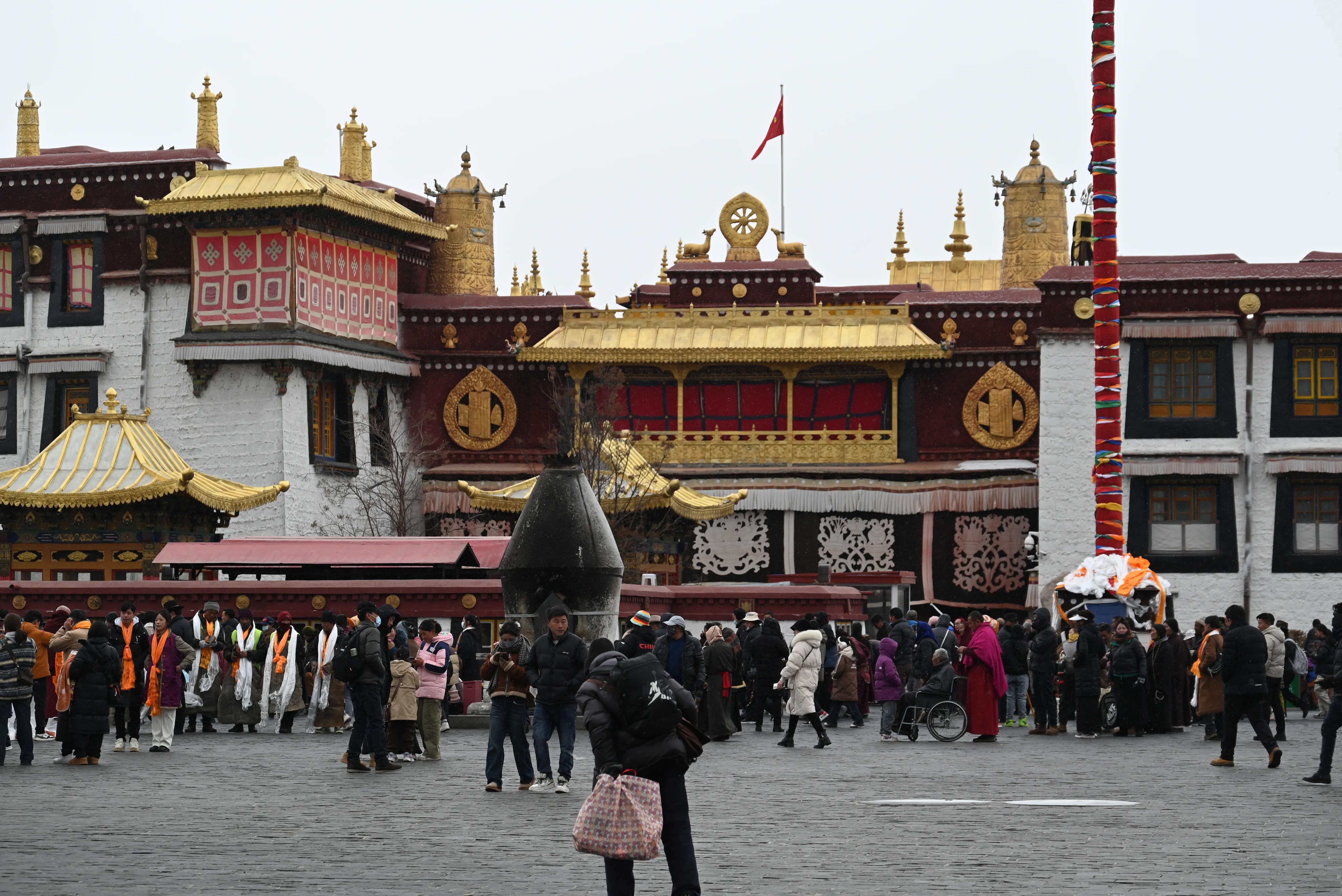
The Barkhor
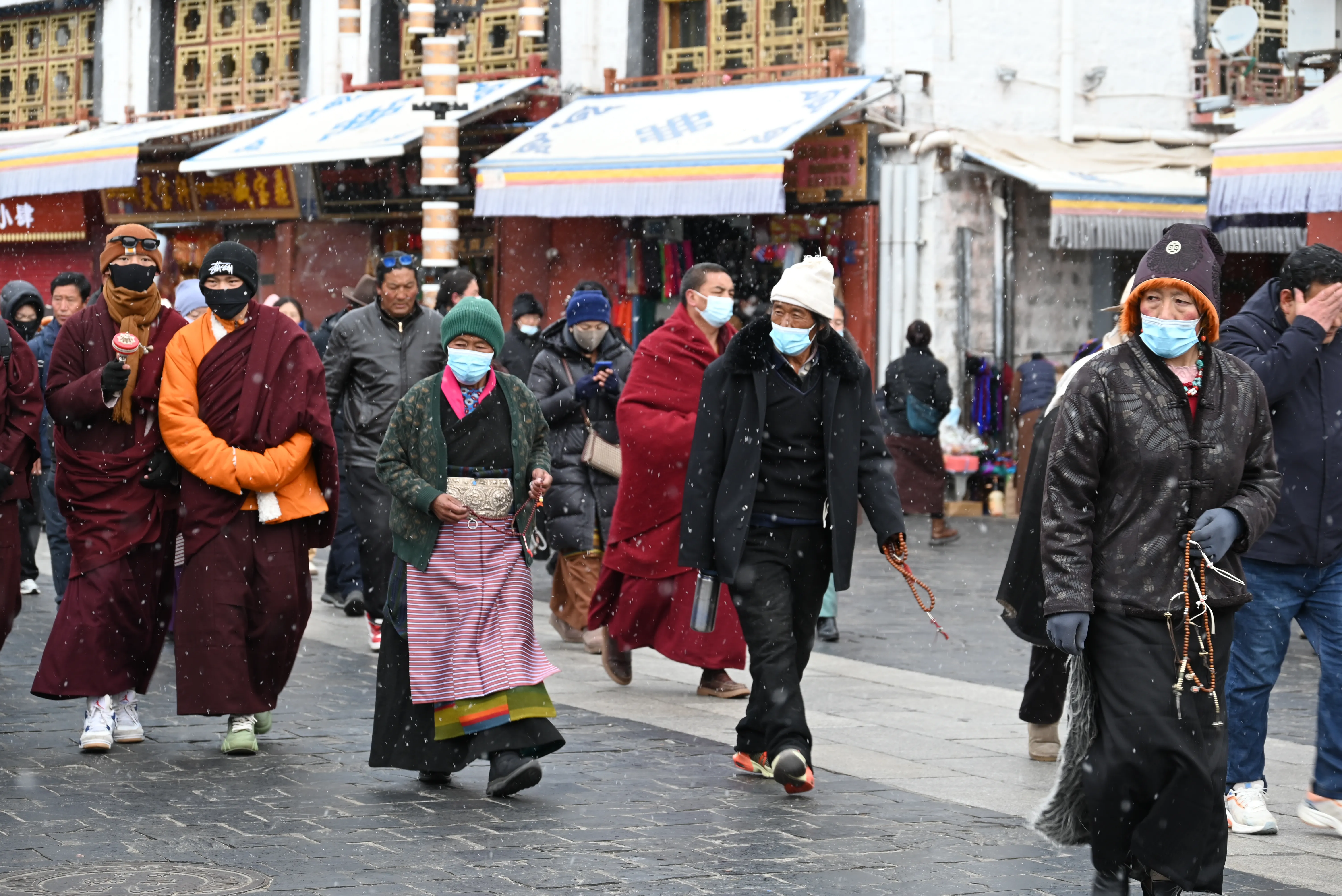
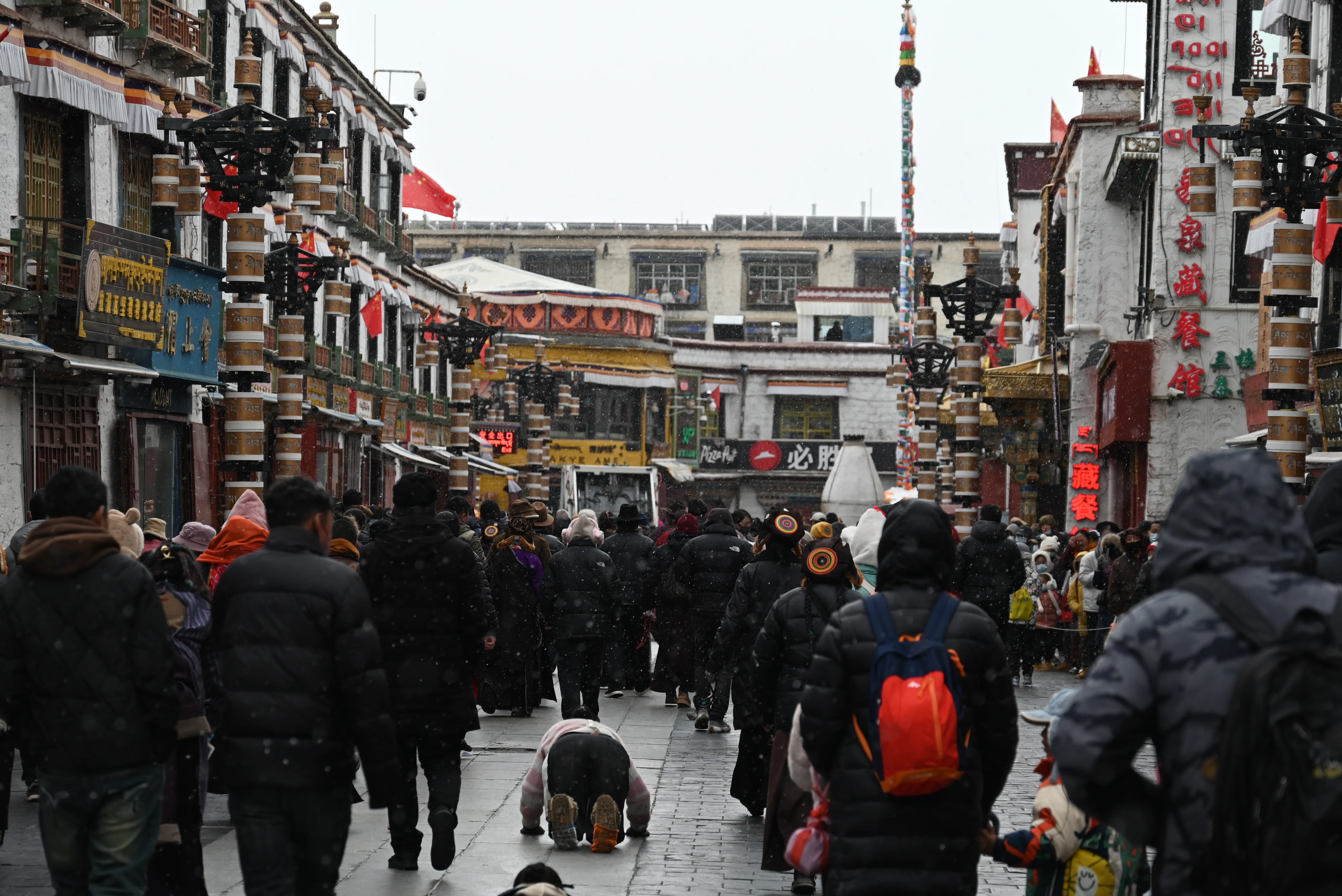
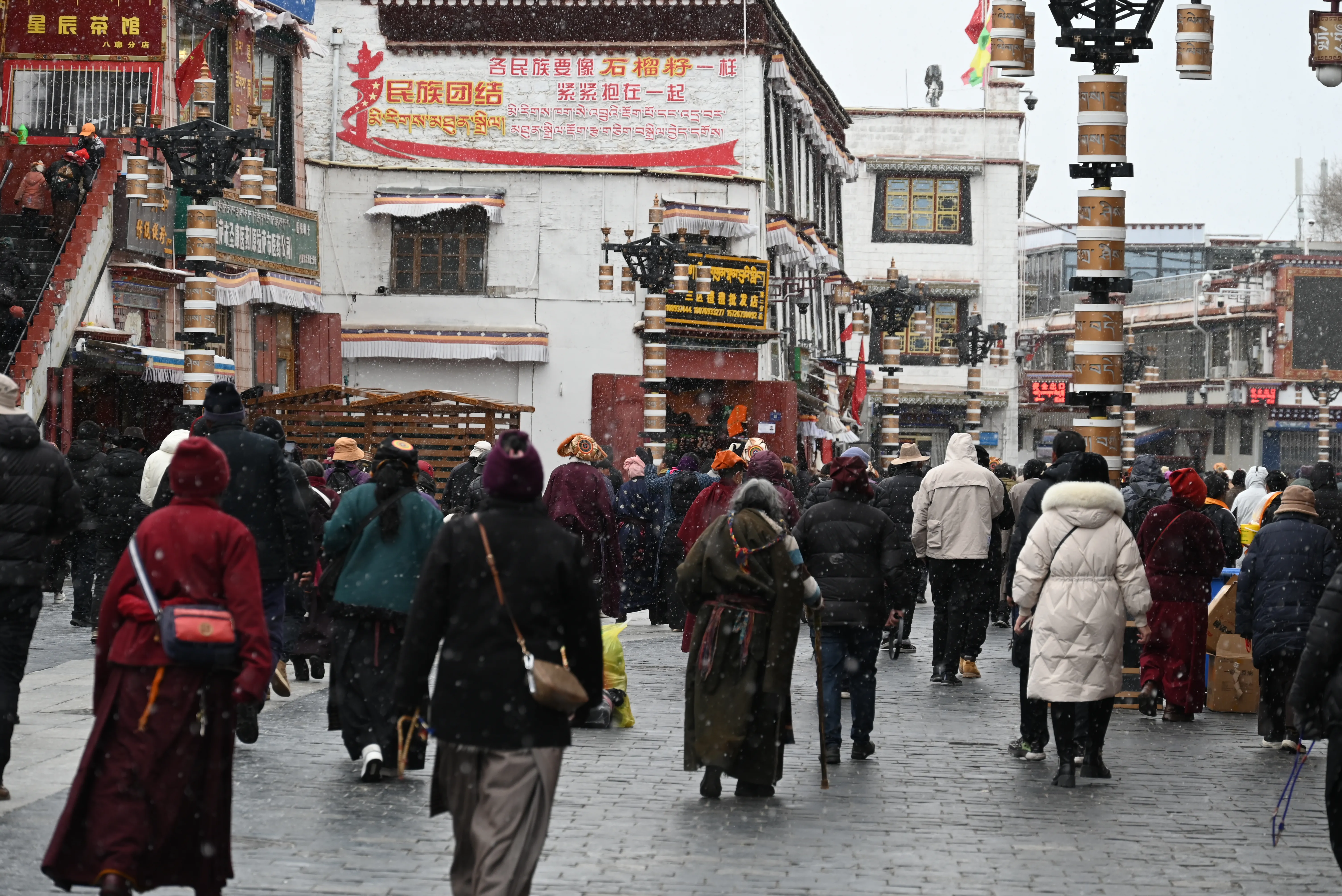
Tibet is short of oxygen. It is never short of faith.
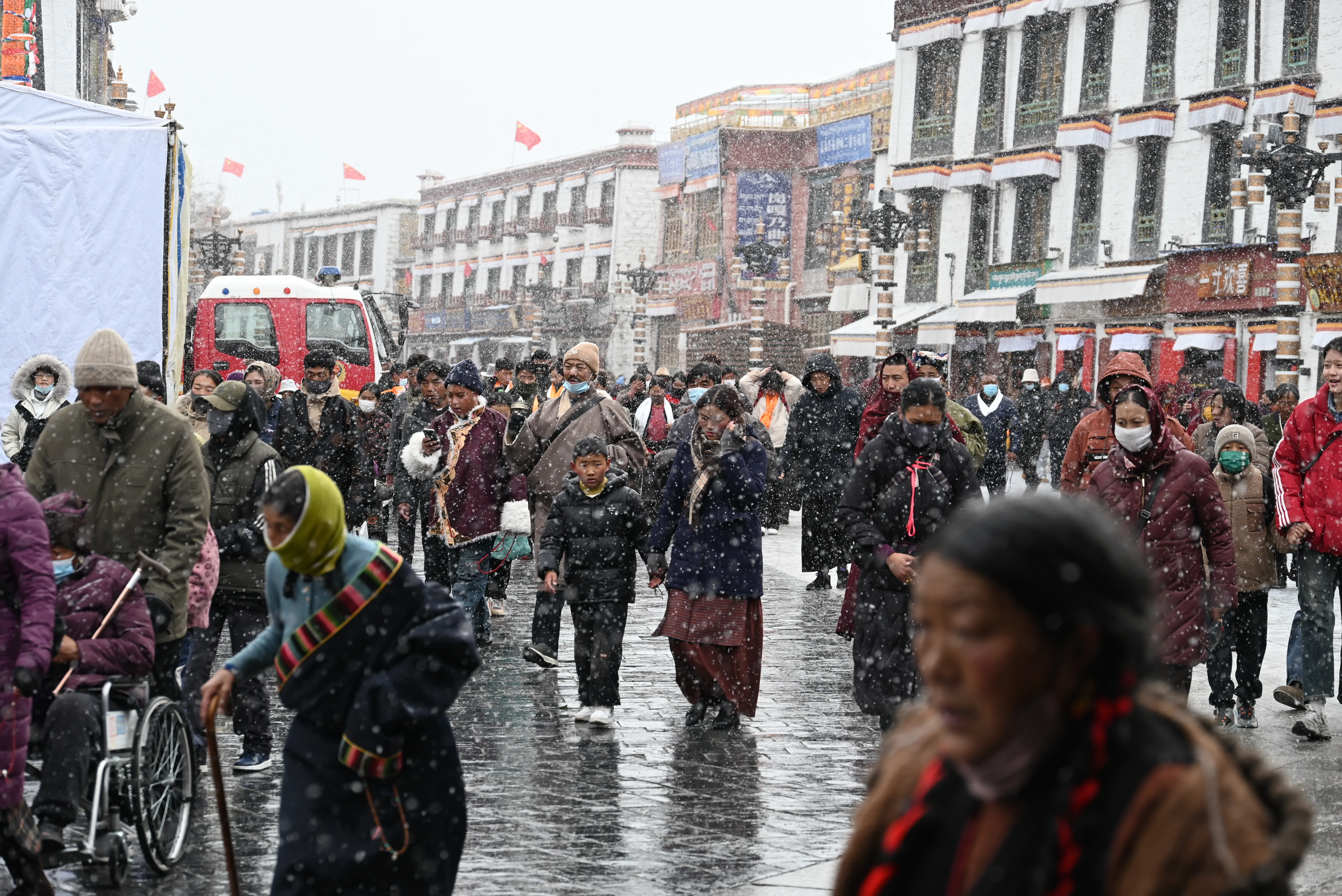
The Barkhor, also called Bajiao Street, runs through the old city of Lhasa. It is a circuit built around the Jokhang, and the busiest commercial street in the city.
In Tibetan, Barkhor means the middle kora, the middle path of circumambulation. People walk it clockwise, again and again, the end joined to the start. The right hand turns a prayer wheel. The left holds a mala. The mouth keeps the six-syllable mantra low.
Snow started just as we arrived. So…
Chakpori
After the Barkhor we walked toward Chakpori, Medicine King Hill.
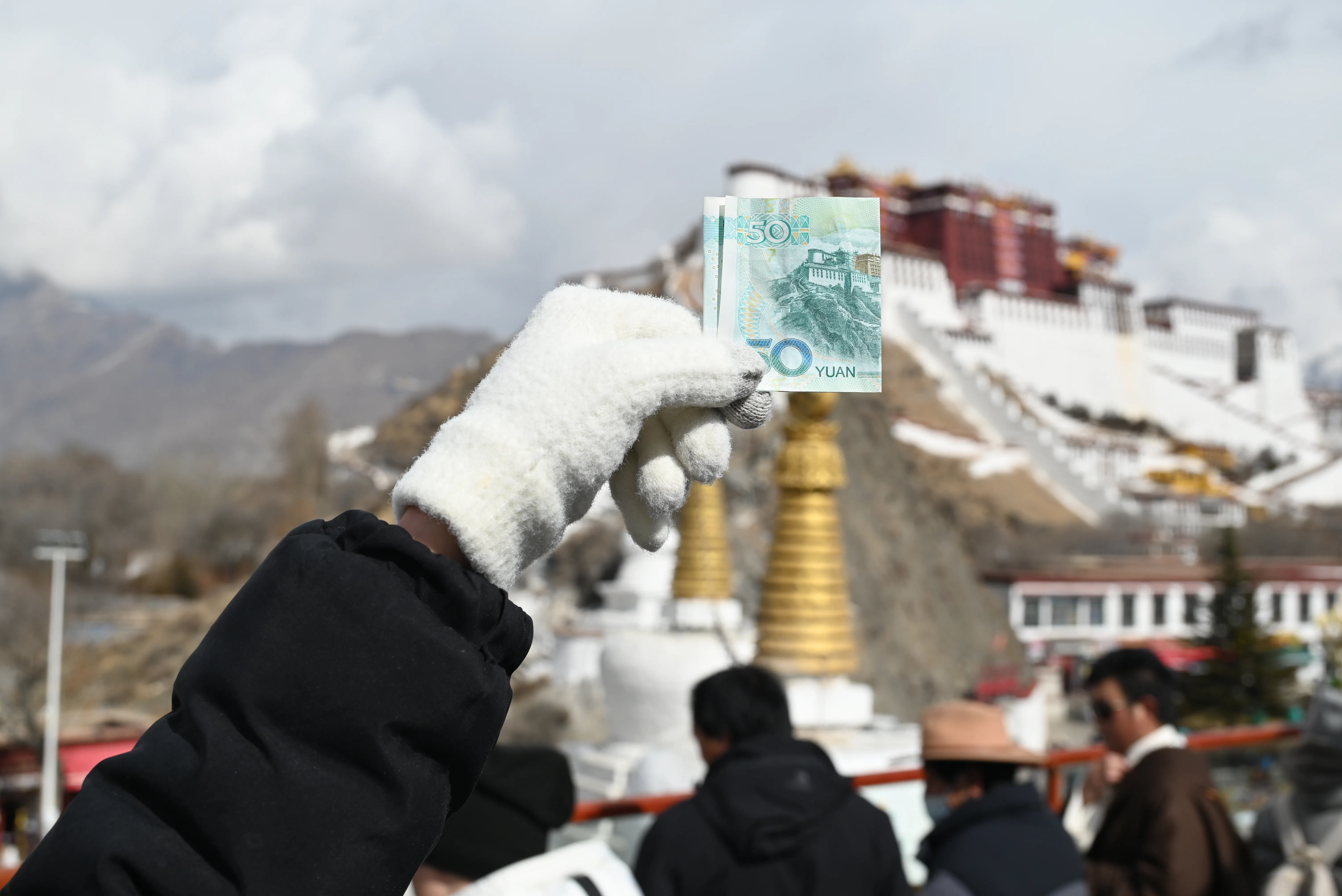
The viewing platform there, west of the Potala, is the spot on the fifty-yuan note.
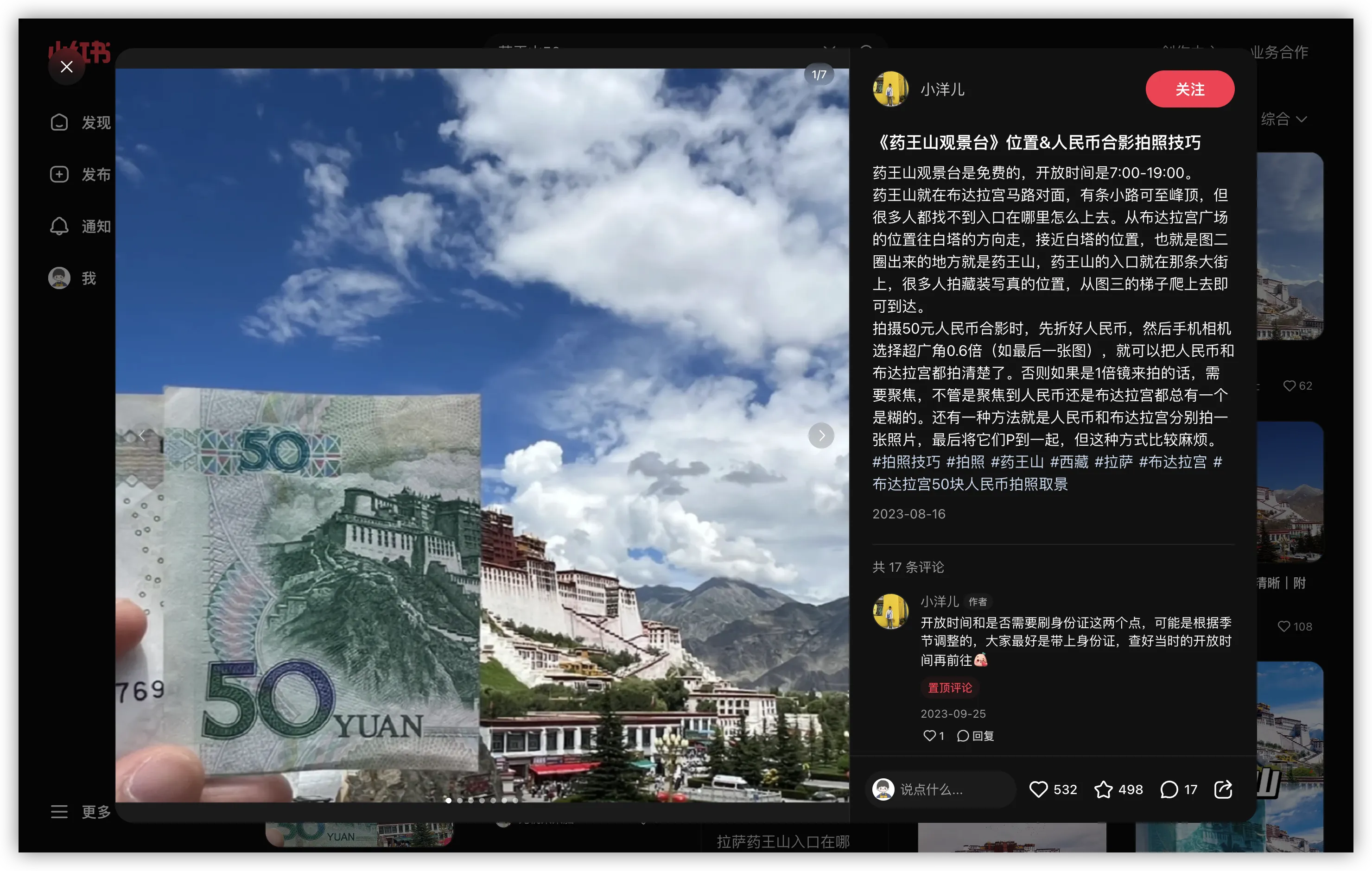
A friendly warning: the picture above is probably a composite.
Tibet in the Sky
After Chakpori we were back in Potala Square.
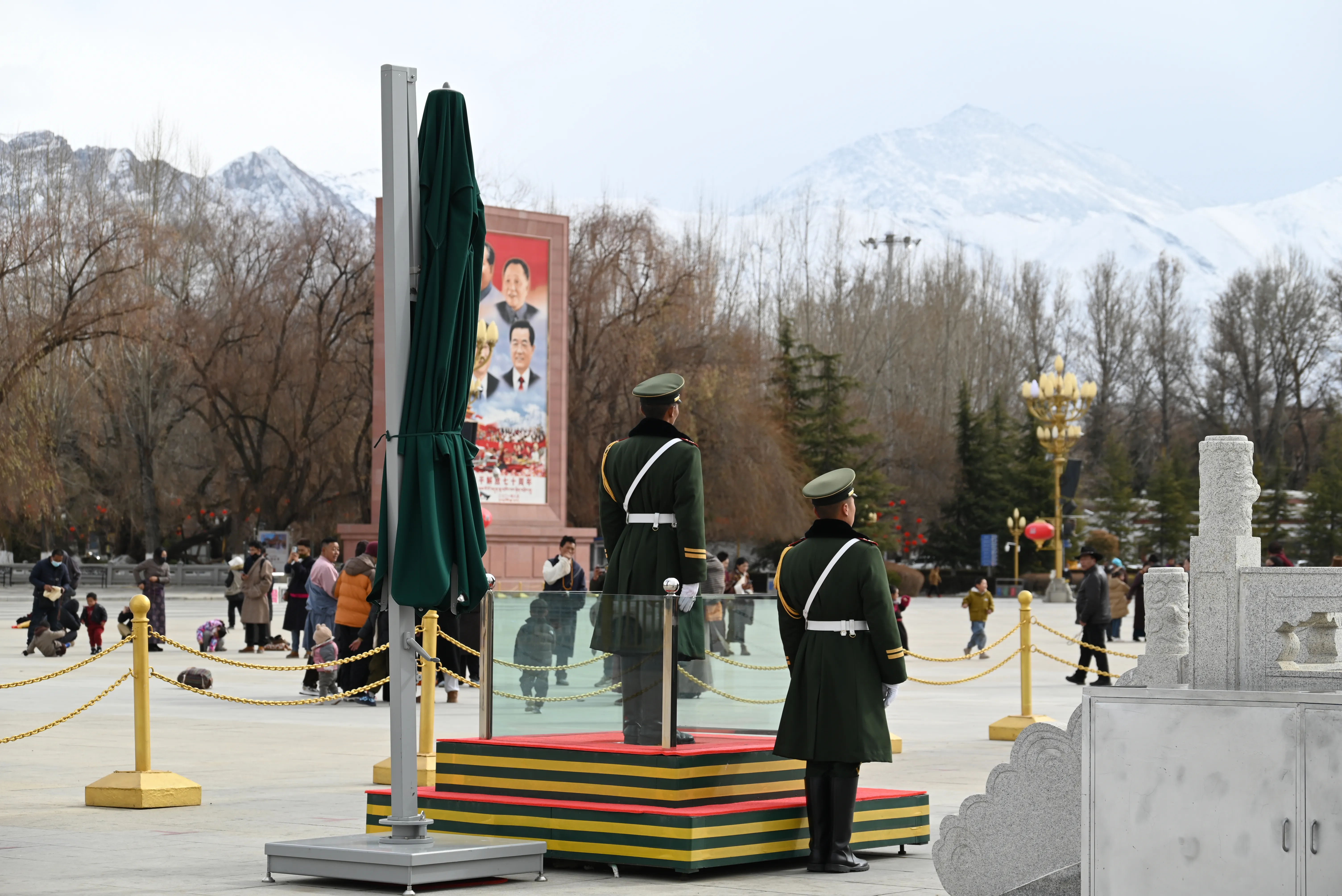
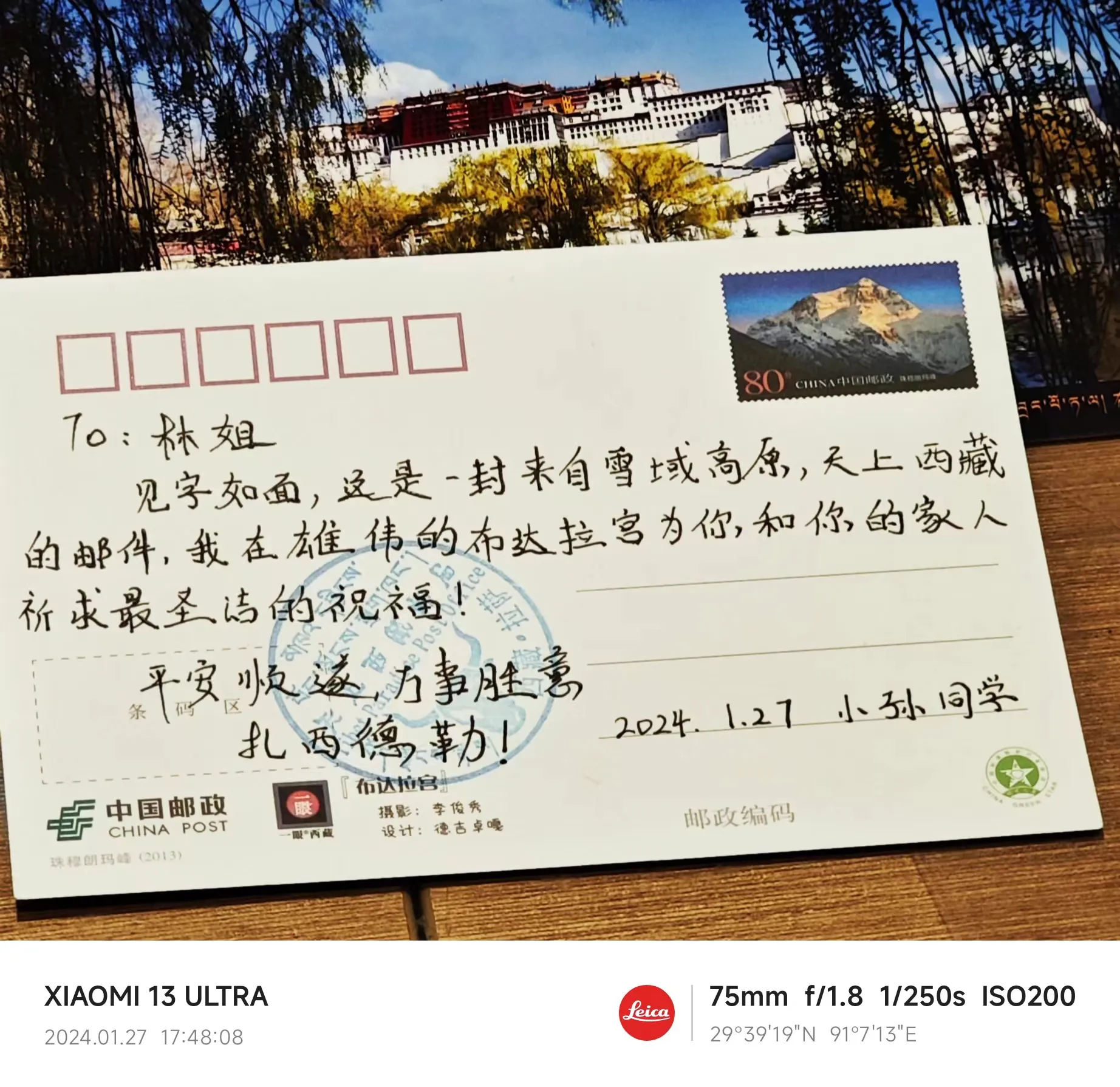
I took a few sets of photos for Bing, and we decided to mail letters from the Tibet in the Sky post office.
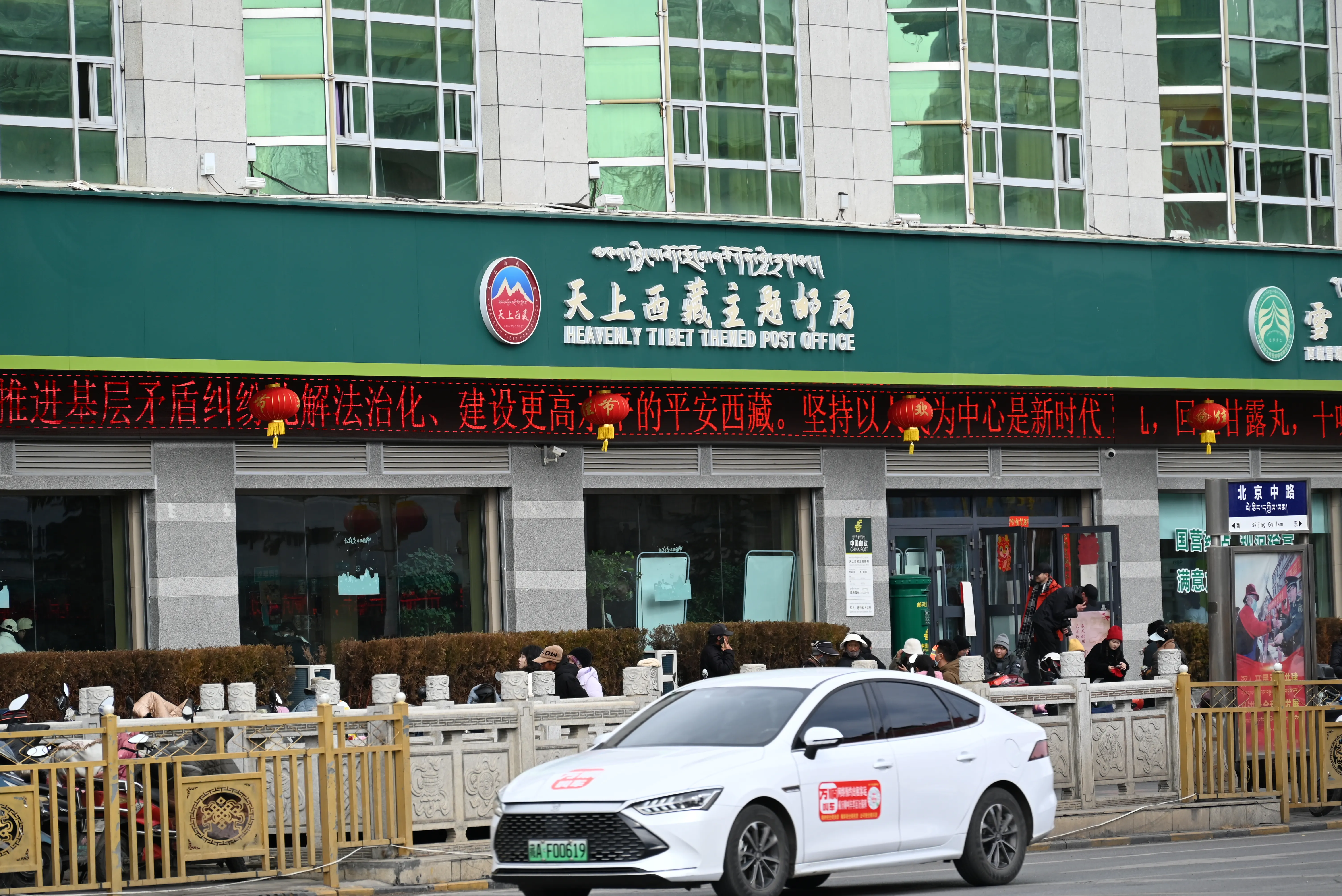
She had just bought the postcards when she turned back. Altitude sickness.

The post office was packed. It took me about half an hour to pick the cards and get them stamped.
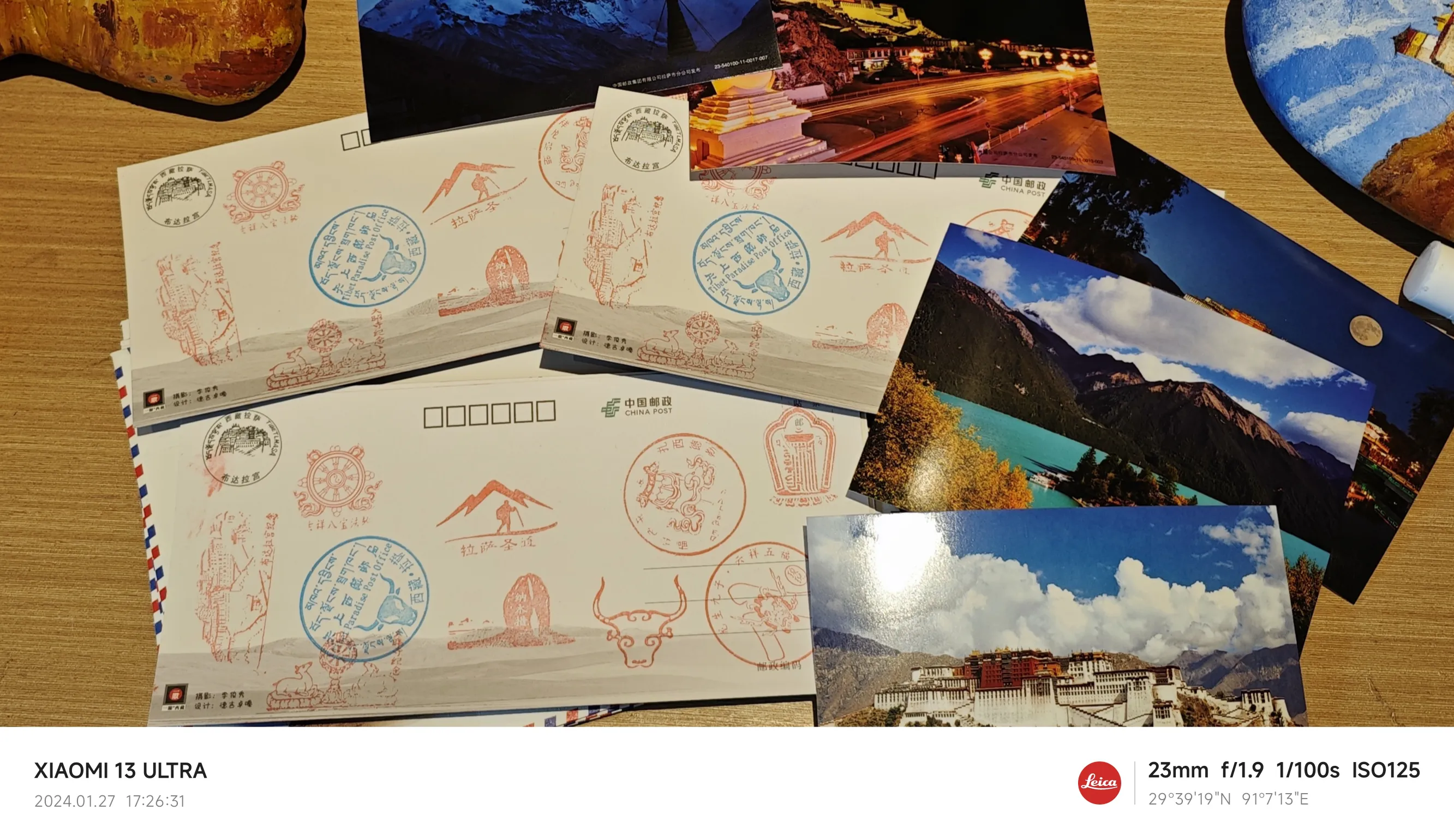
Another half hour to write the wishes, then pack them, fill in the addresses, and send them.
1.28
The Potala
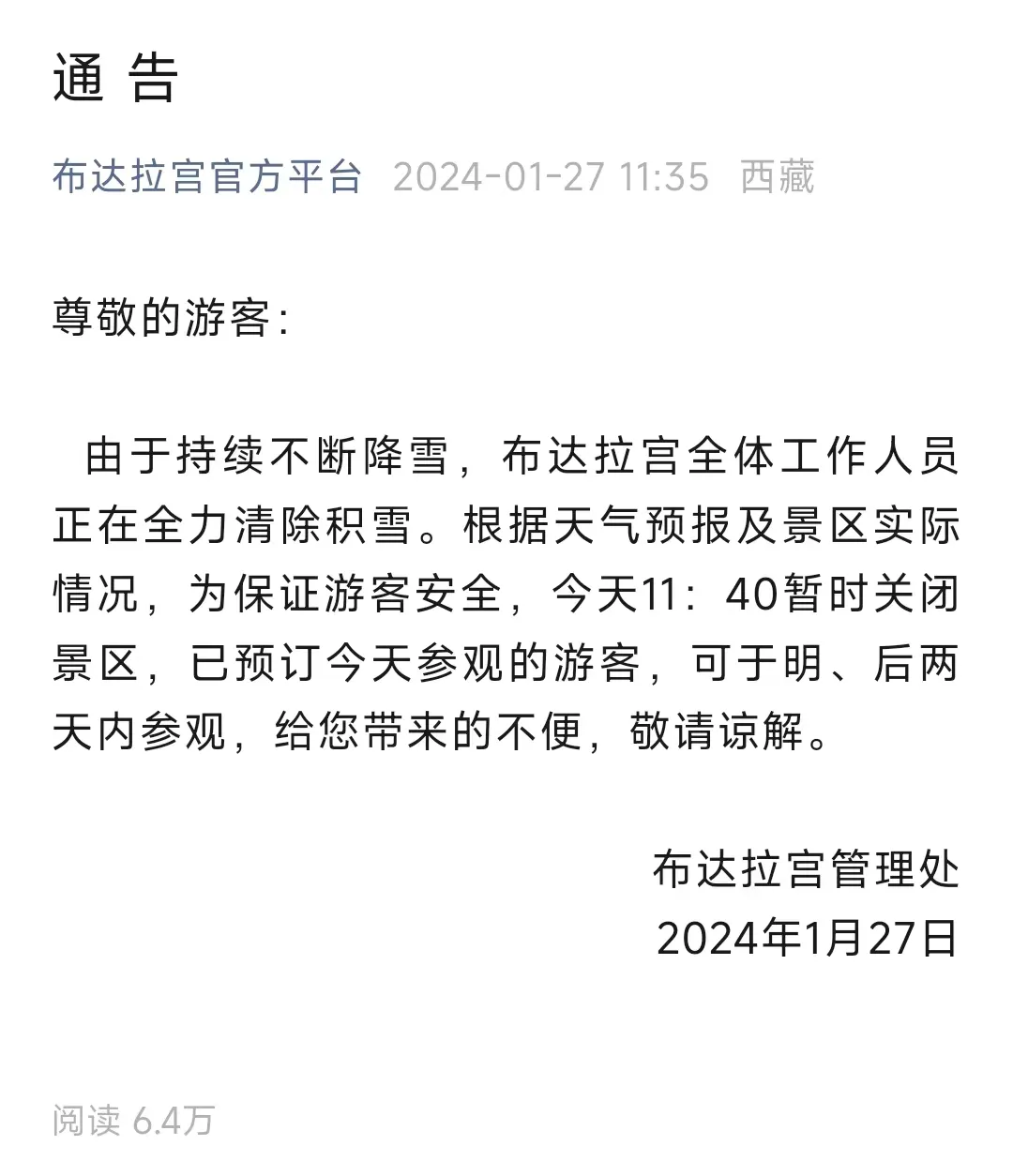
The original plan was to visit the Potala on the 27th. I wanted the Jokhang and the Barkhor first, so I gave the palace up. You can reserve it only once in seven days.
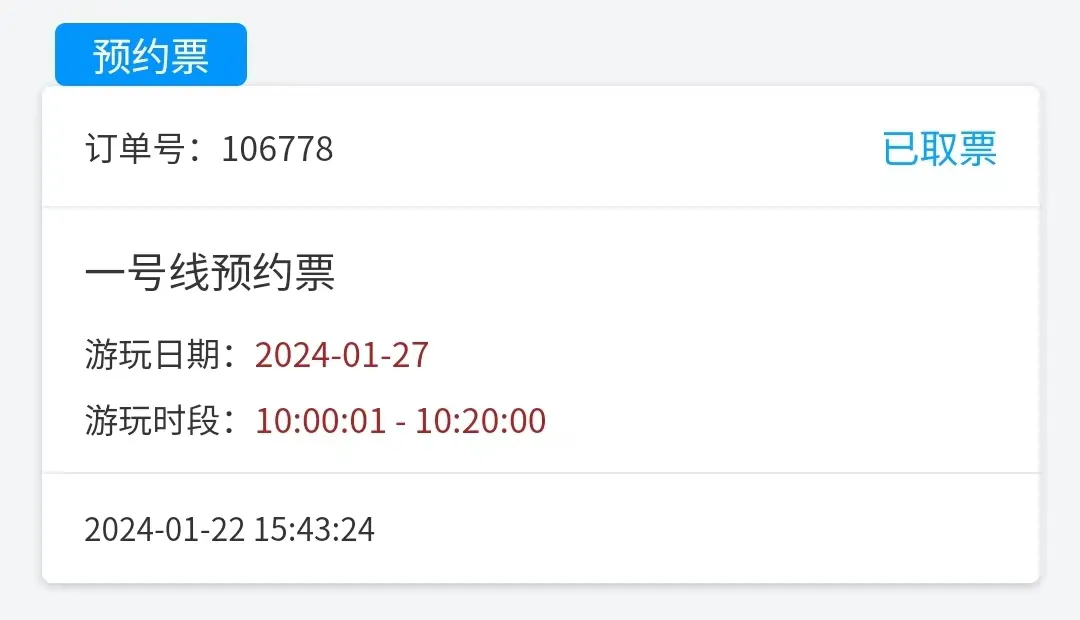
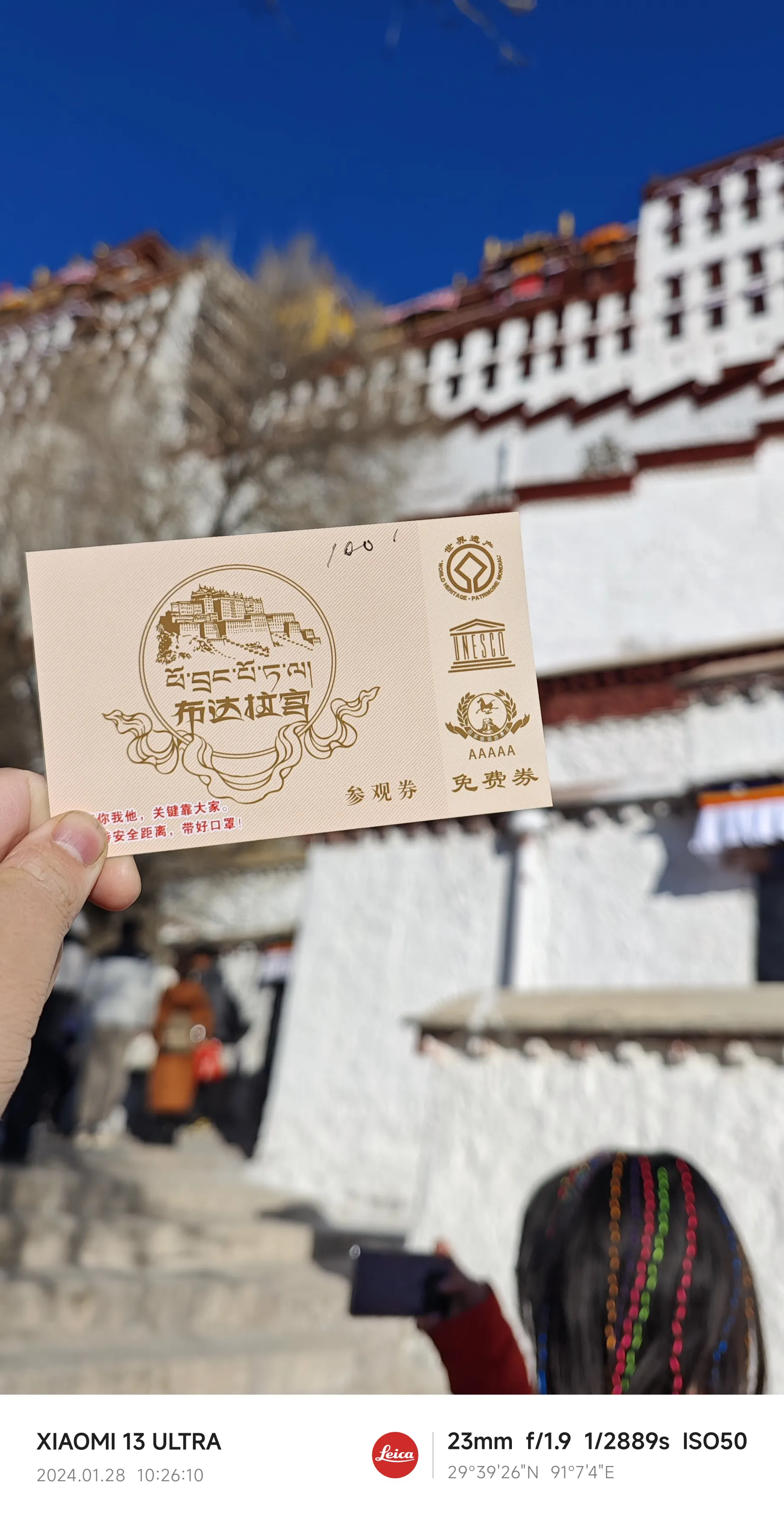
By coincidence, the snow the day before had closed the Potala. The rule allowed me to climb it today.
The palace is the White Palace and the Red Palace. The White Palace is where political and religious life was conducted. The Red Palace is the Buddhist halls.
The outside is gold and splendor. The inside is lavish: murals, statues, and objects that carry the culture and the art of Tibetan Buddhism.
The Potala holds a great deal of culture and history. So I would not have come for nothing, I paid fifty yuan for a guide, and I learned a lot.
Xingyue Bodhi
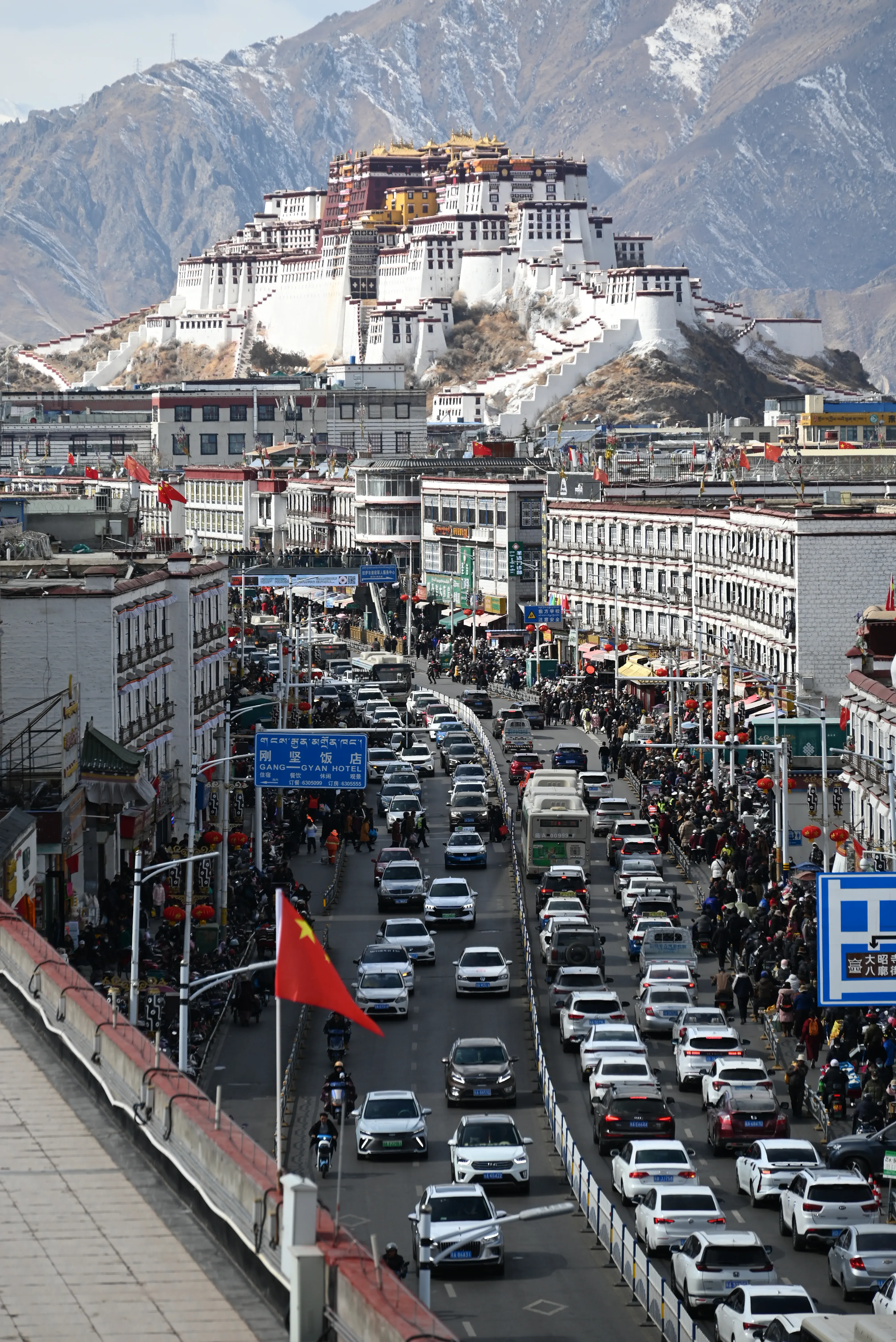
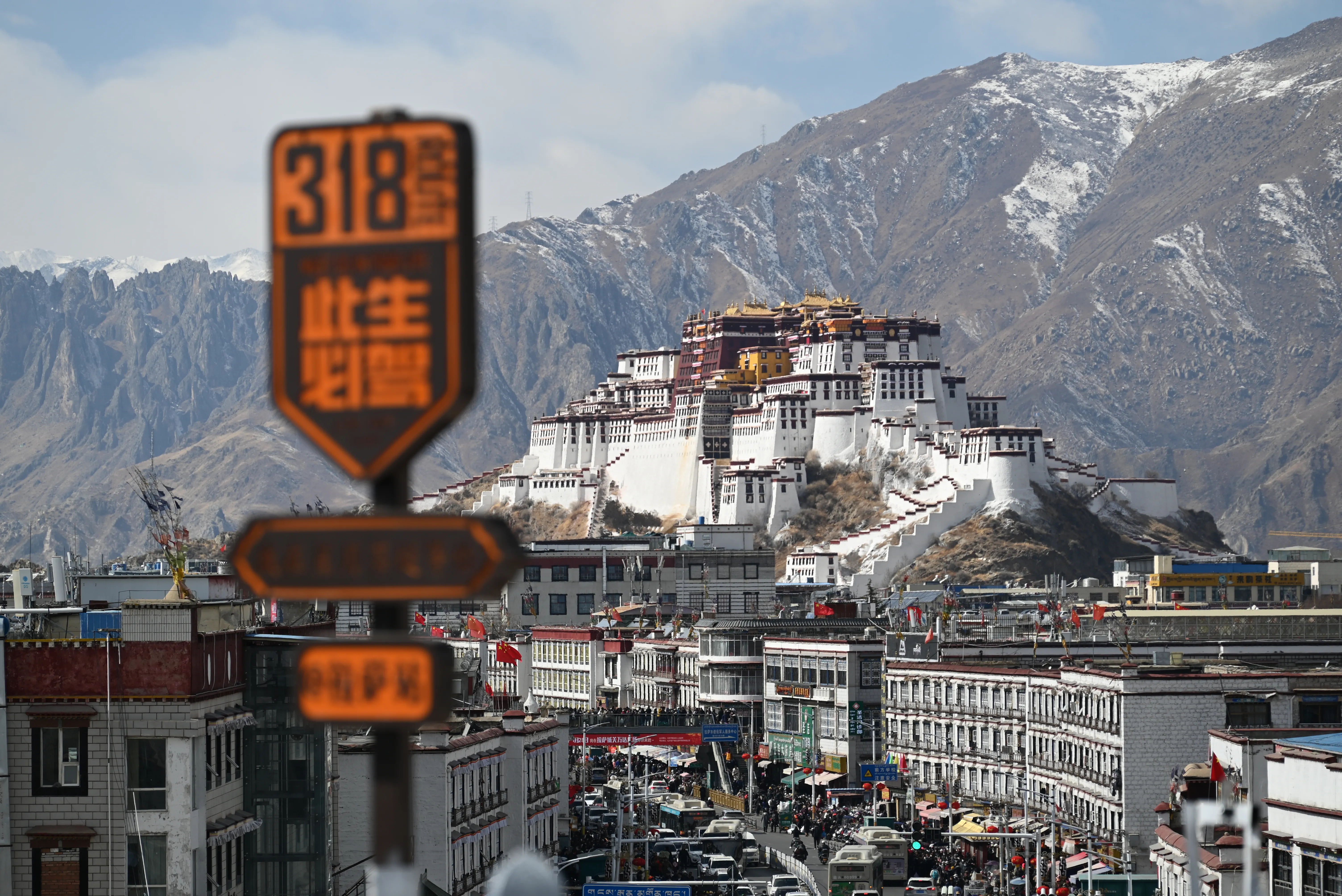
There is a table at the Xingyue Bodhi café with a beautiful line on the Potala.
It was also time to eat. Coming out of the palace, I navigated straight there.
I got the photo I wanted.
Zaki Temple
Bing said she wanted to go to Zaki Temple. I was still willing to be a companion, so I added it to the day.
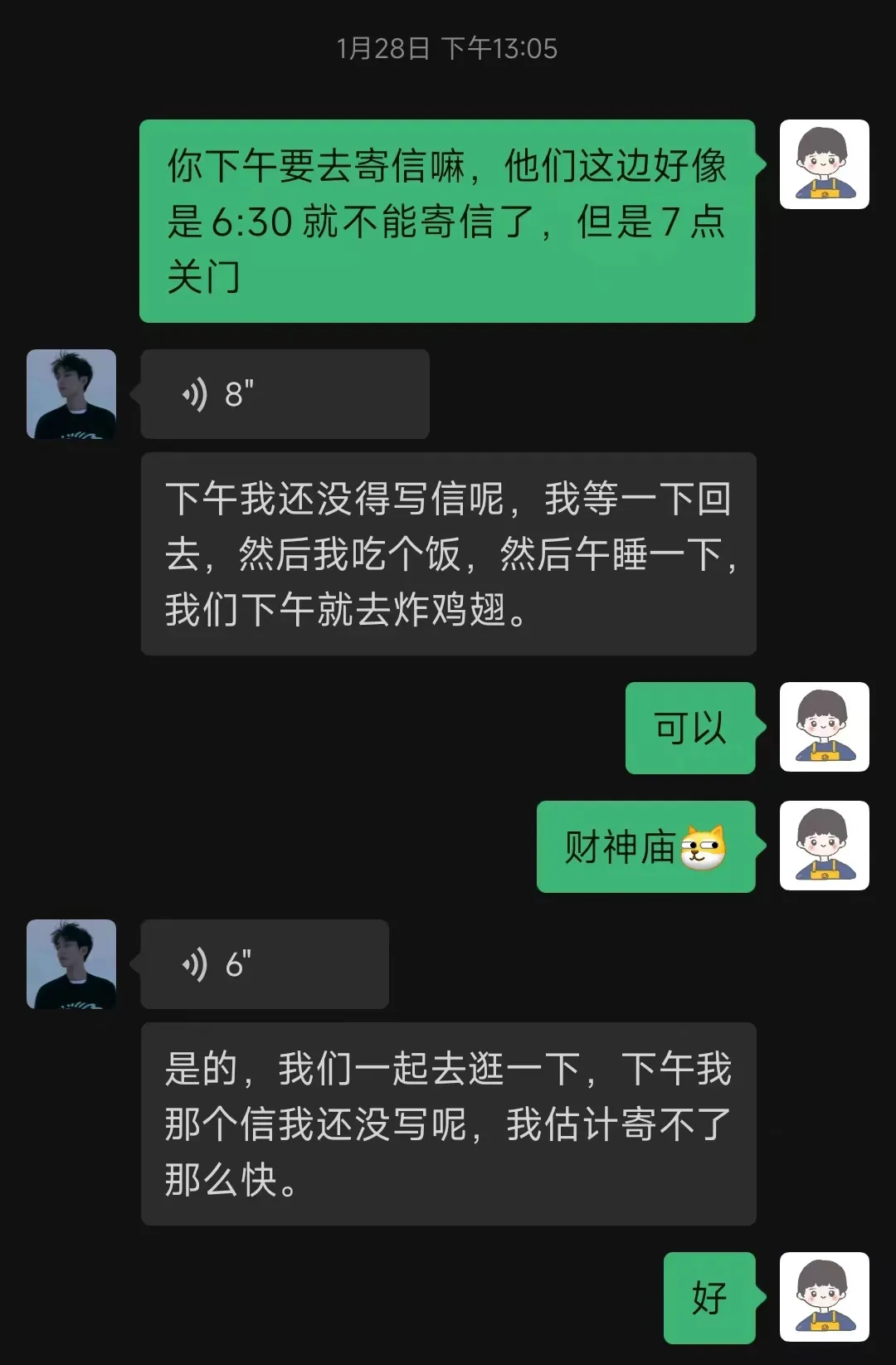
The world does not keep a plan. Things folded in on themselves. She climbed the Potala that morning and the altitude hit her again.
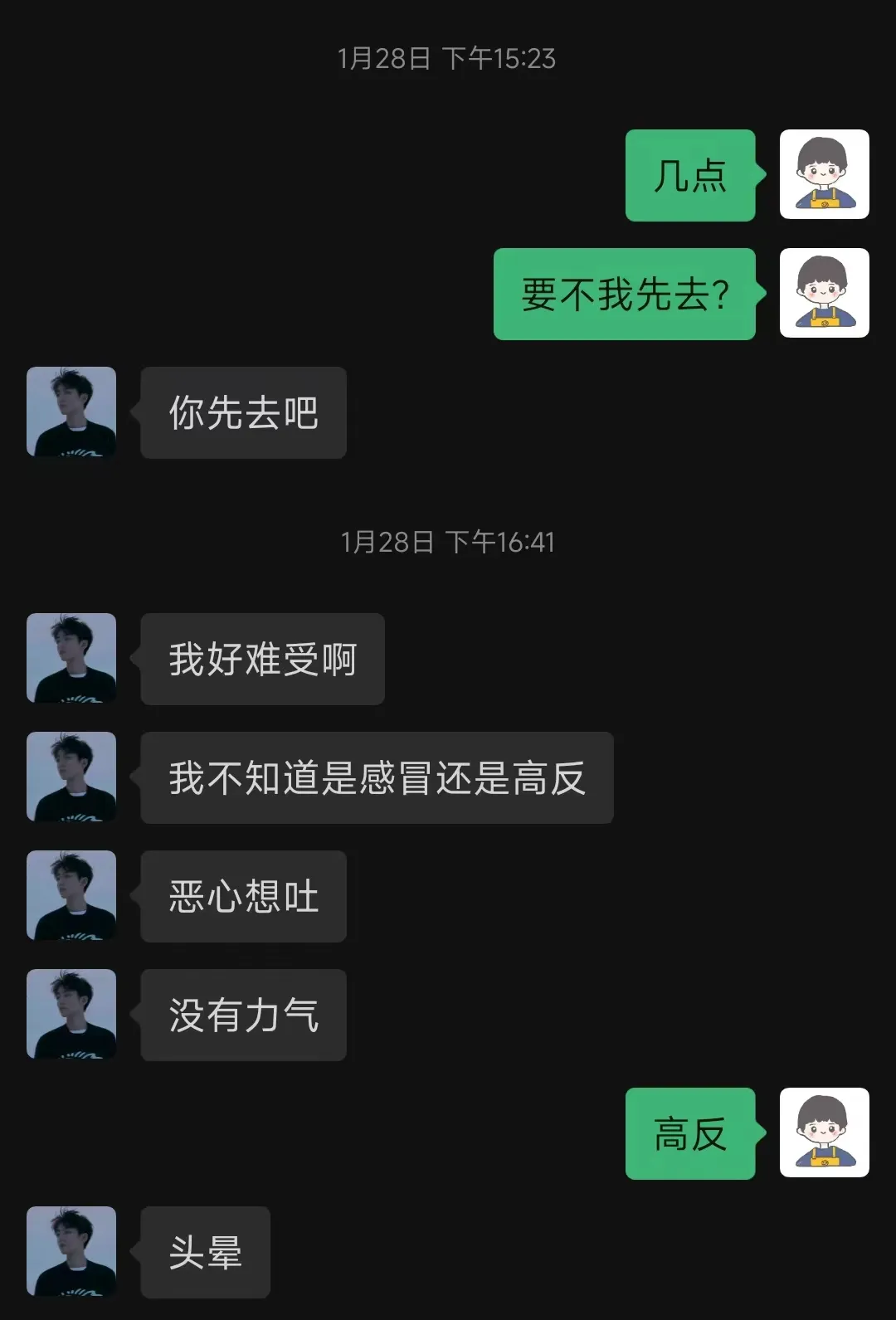
I am stubborn. I left the café and walked three kilometers to Zaki Temple alone.
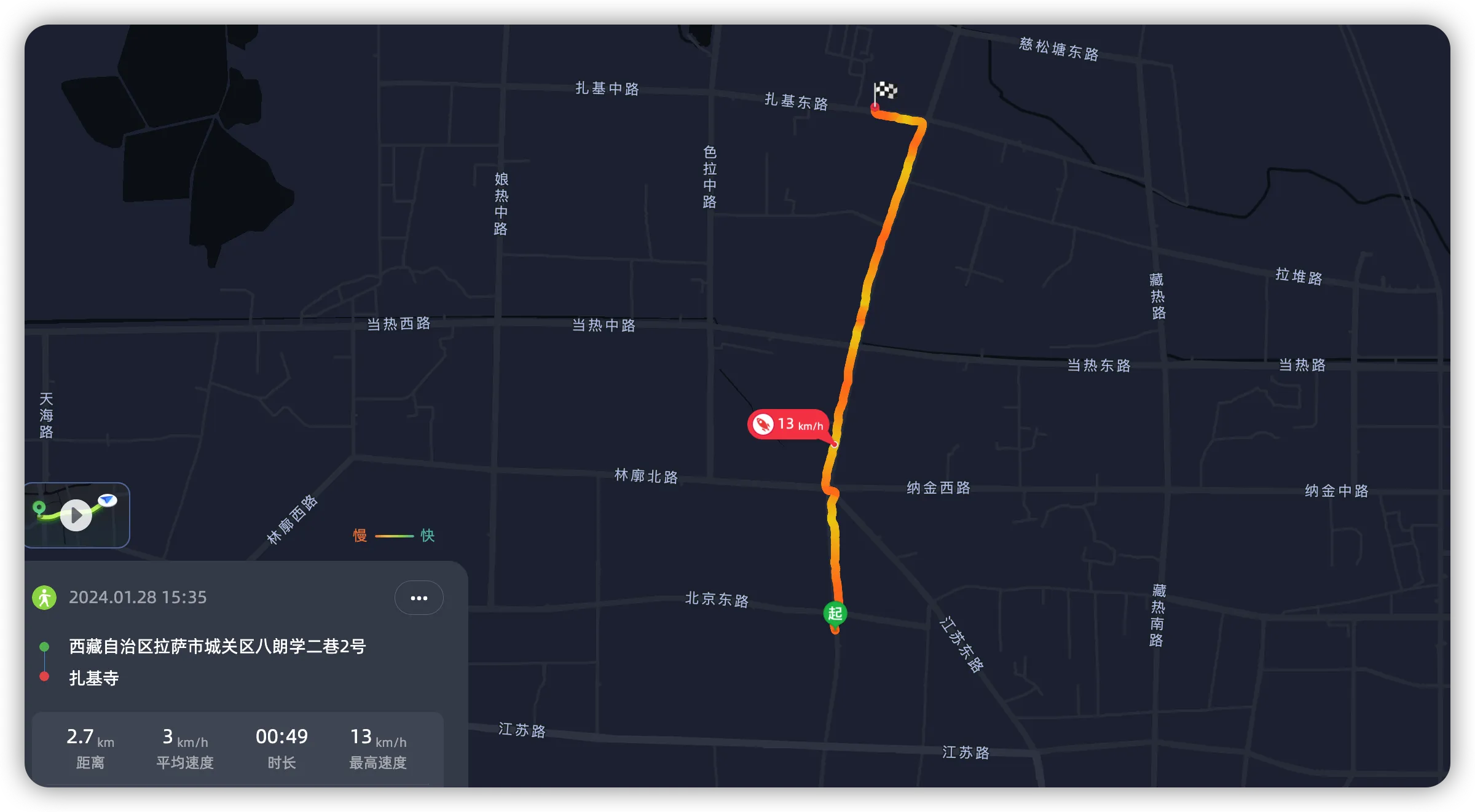
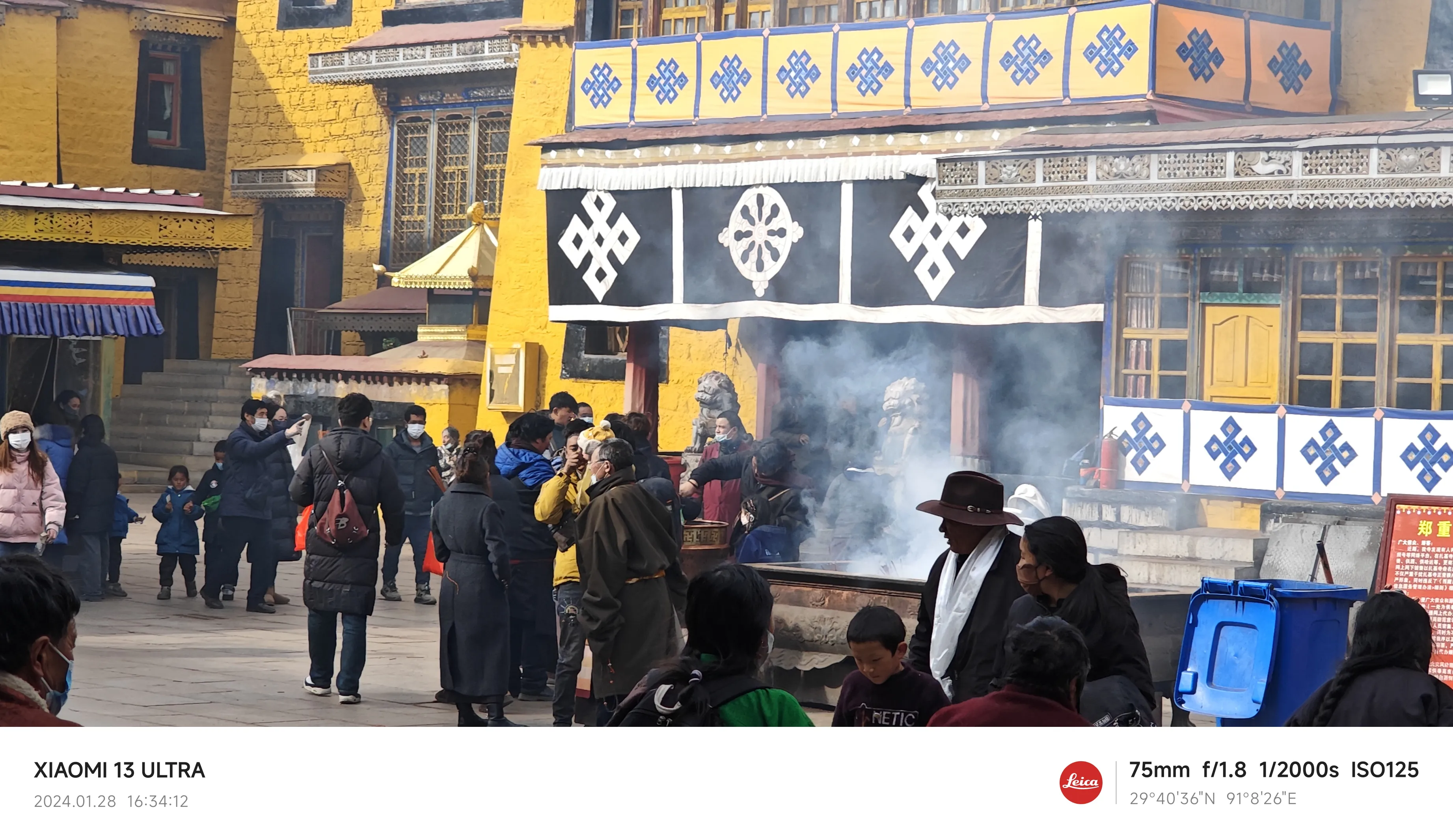
The temple is on Zaki Road, in the northern part of Lhasa. It is the only temple in Tibet devoted to the goddess of wealth.
It is small, and the incense is thick. At the gate I bought Tibetan incense, a khata, liquor, and butter, and offered them to Zaki Lhamo.
Nanshan Park
From the temple I called a Didi and set out to climb Nanshan Park.
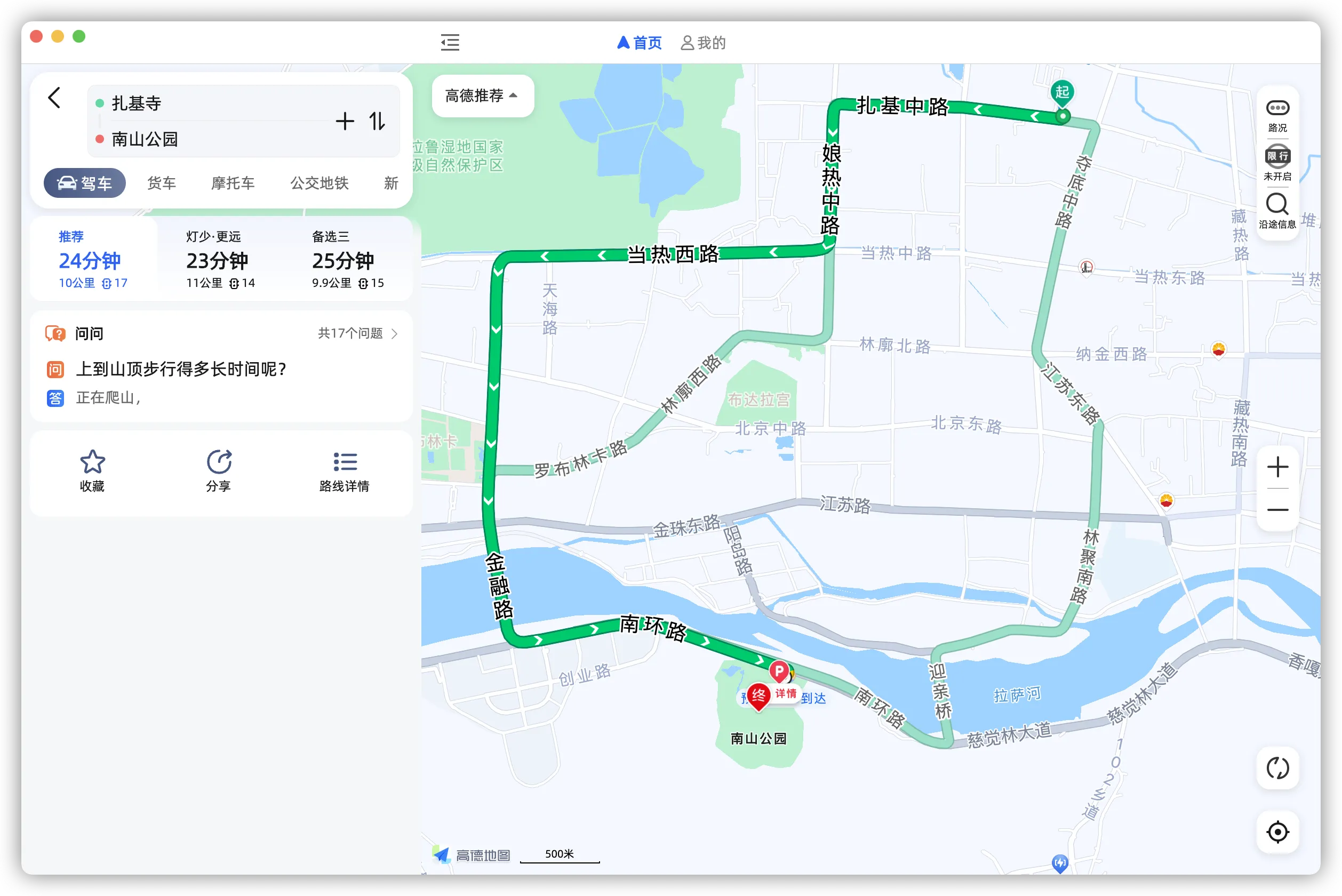
Climbing at this altitude is exhausting past the point of a joke.
I spent the body. One step, one hard breath. The top was almost in sight, and then…
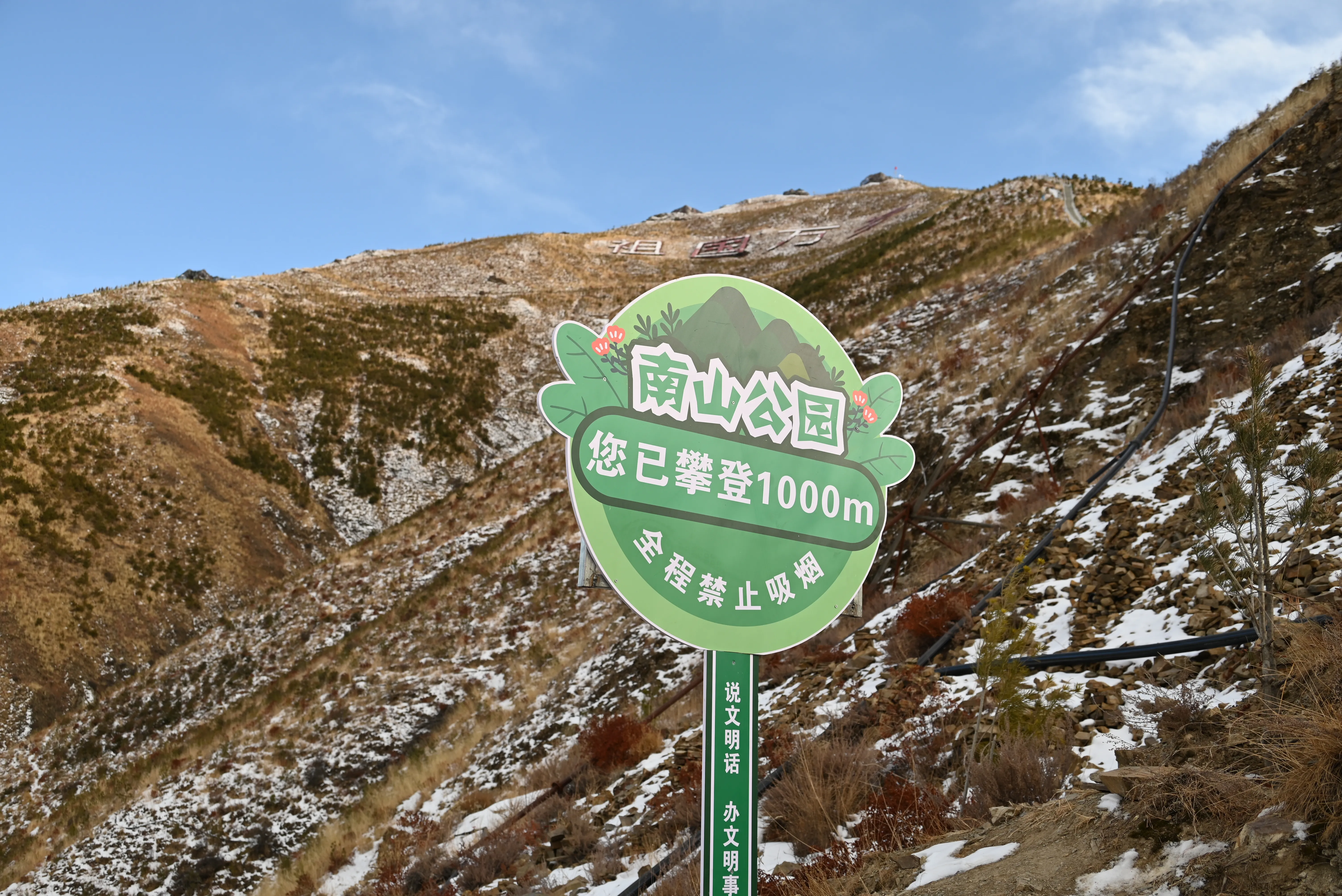
Snow had closed the summit. No one was allowed up.
I had no choice. I dropped onto the thousand-meter platform and sat there.
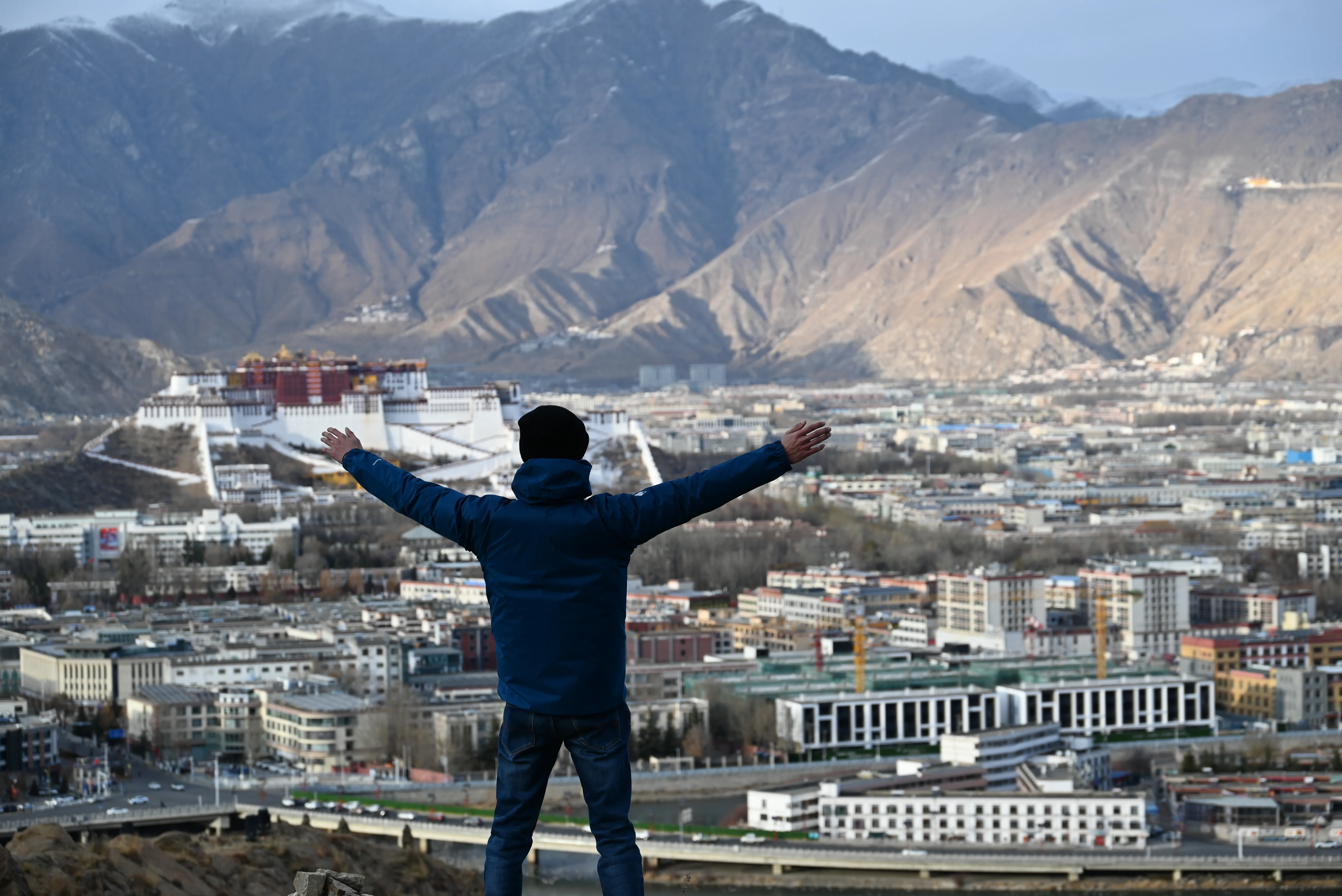
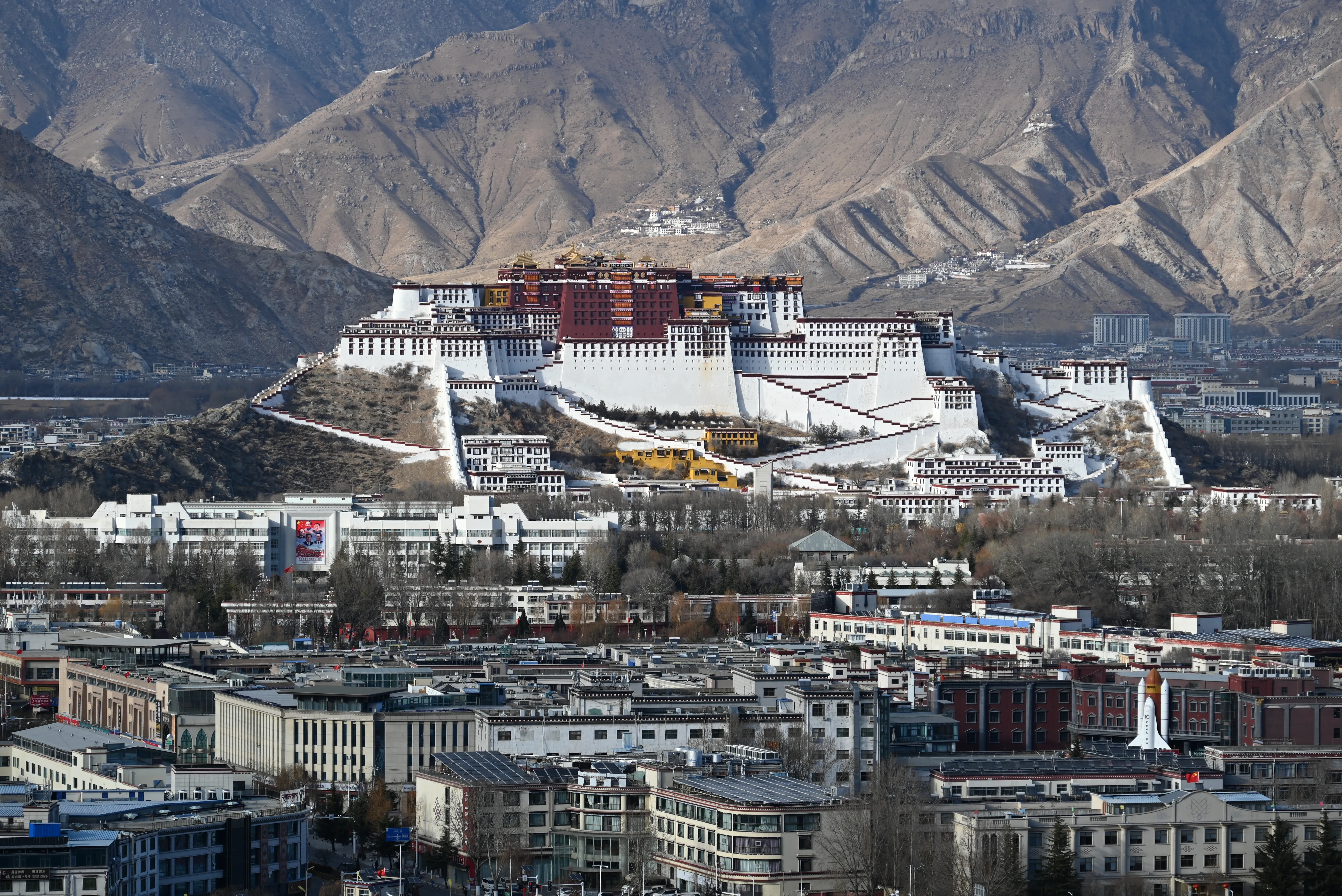
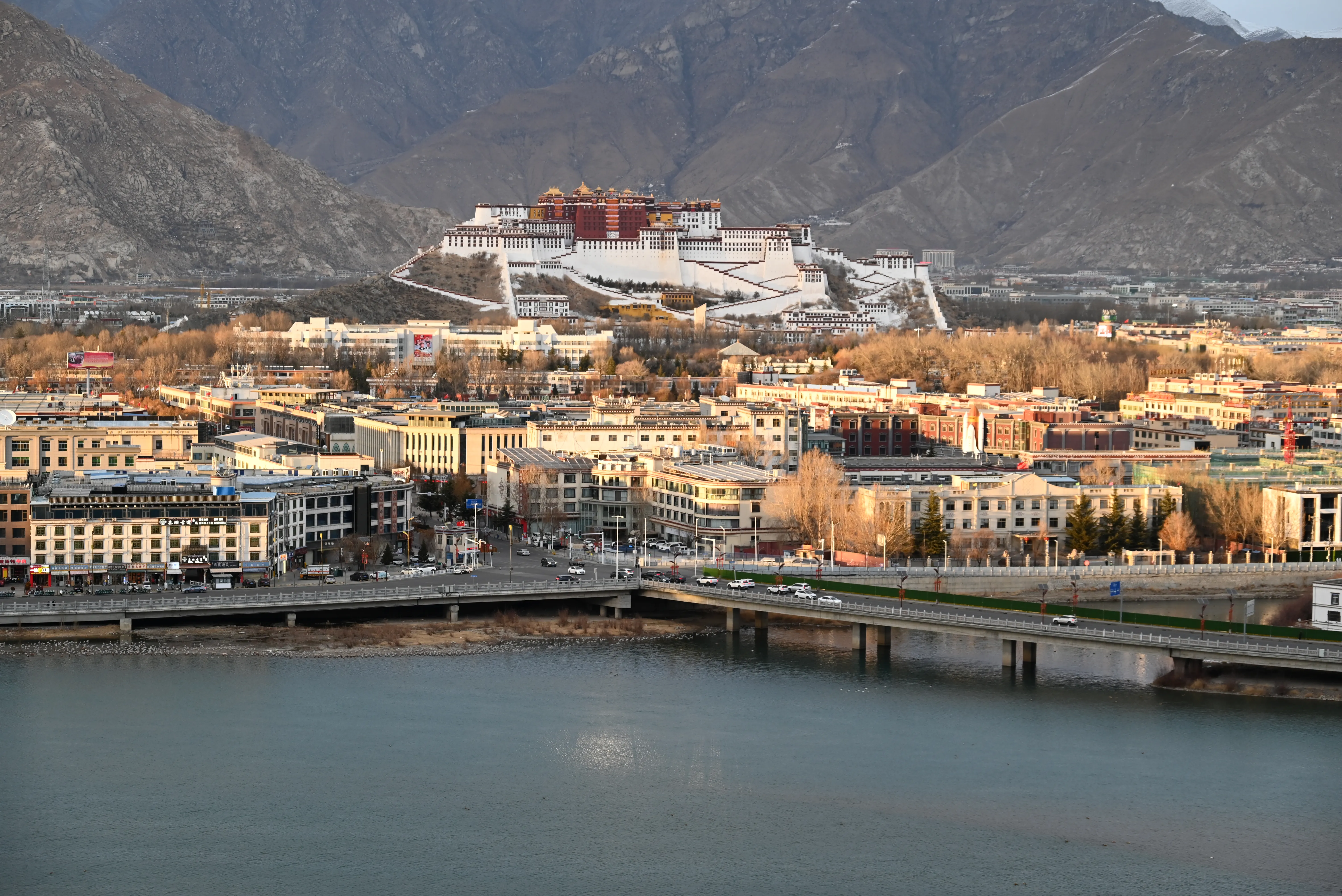
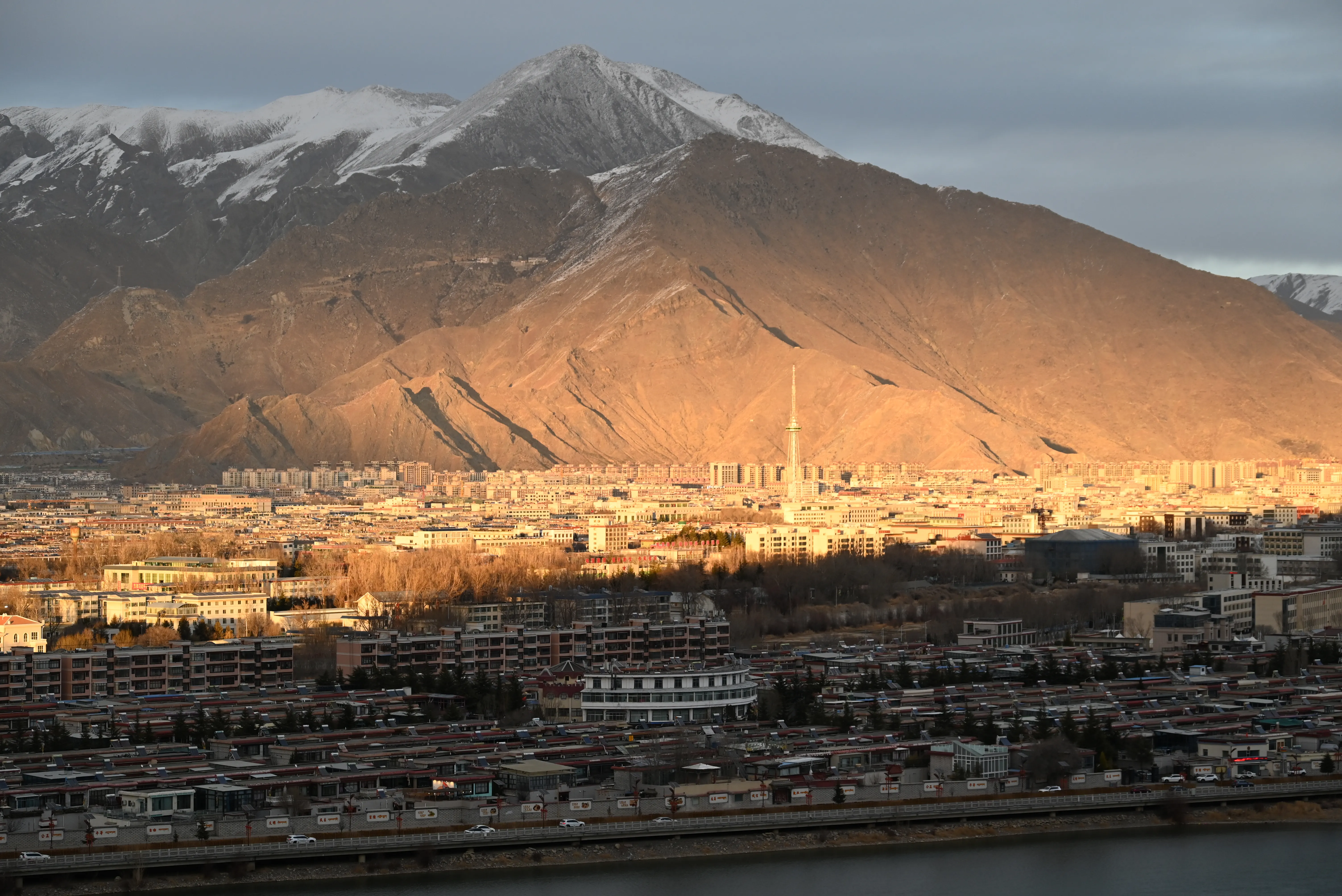
I did not reach the top. The view from halfway was still very fine.
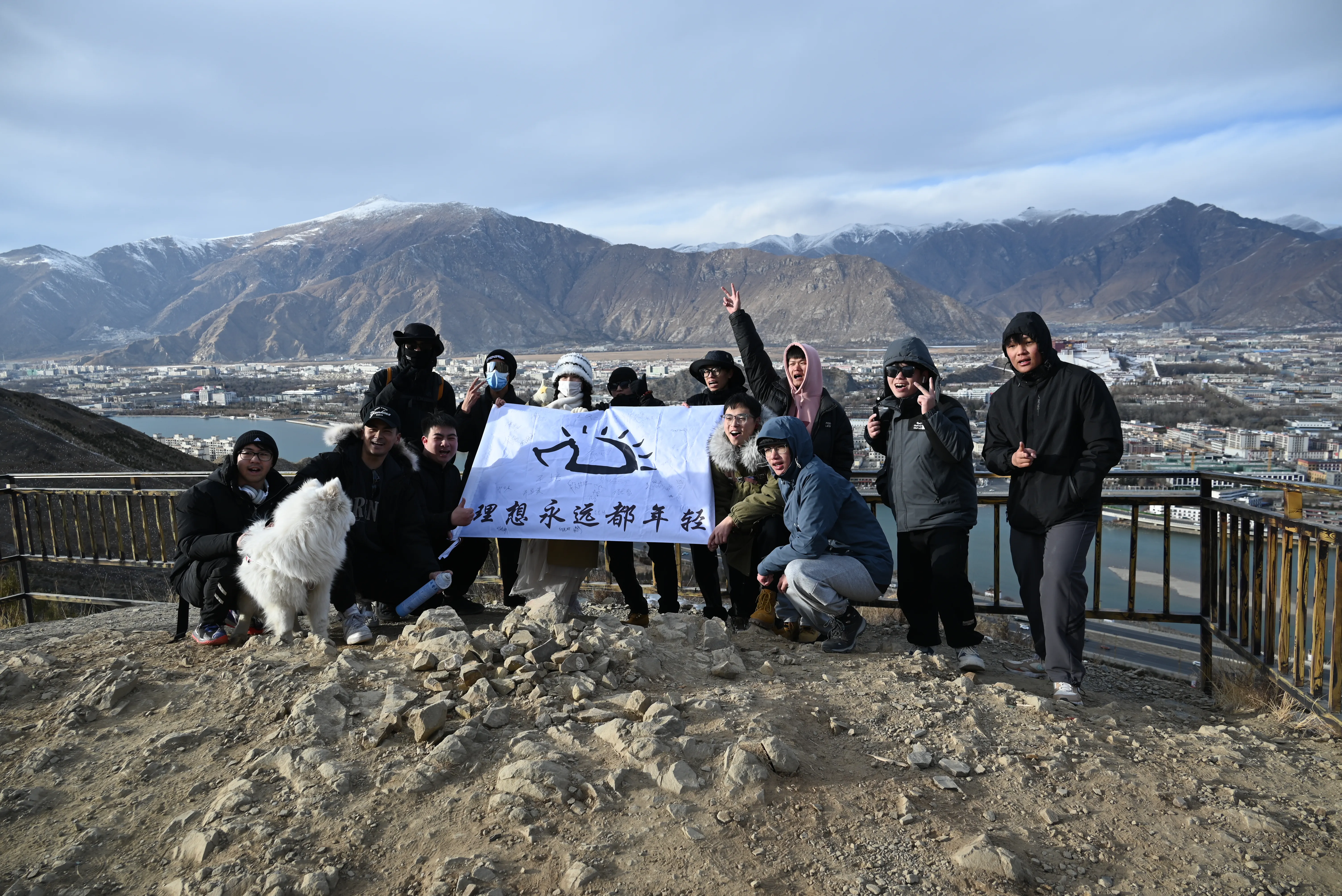
The light went. They would not let us stay on the thousand-meter platform either. I came down in a hurry and waited on the first platform for the night lights to turn the whole city on.
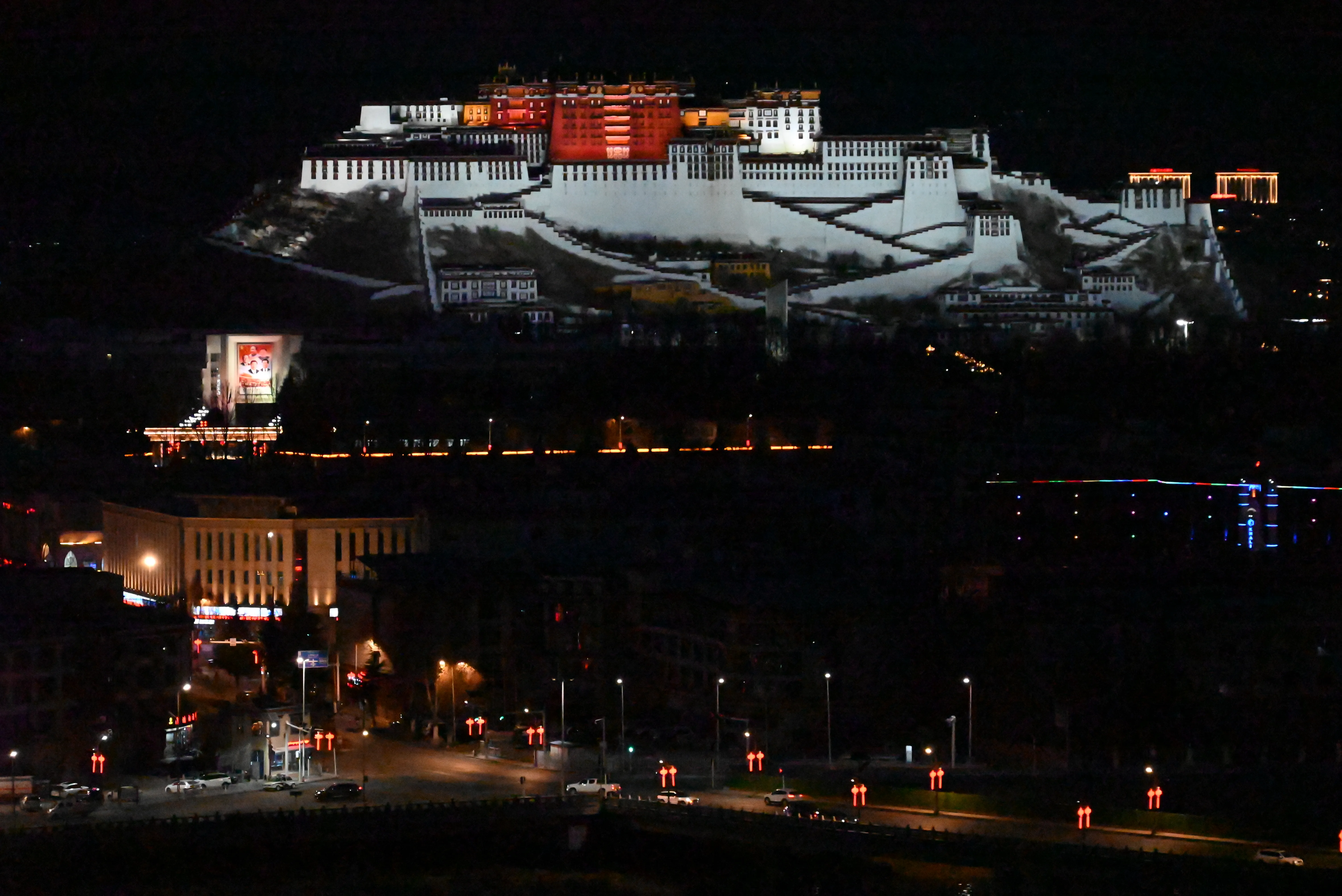
I never made the summit of Nanshan. Halfway up was beautiful anyway.
Altitude sickness will humble anyone who talks tough.
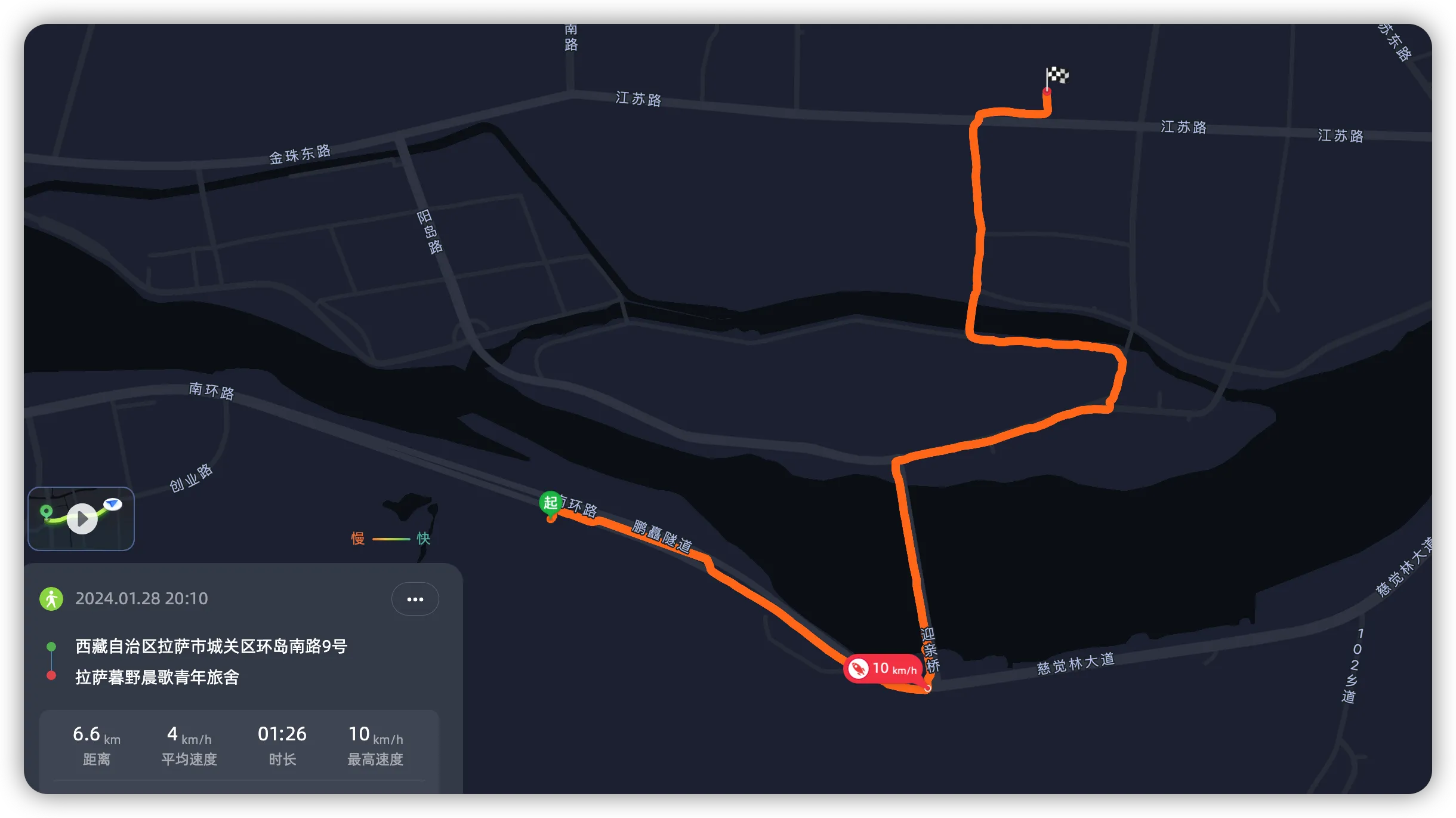
Leaving the park, I could have taken a bus or a car back into town. I do not know which wire came loose. I decided to walk.
So…
6.6 kilometers took me nearly an hour and a half.
The headache was violent. Back at the room I rested a long time before it eased.
Shannan
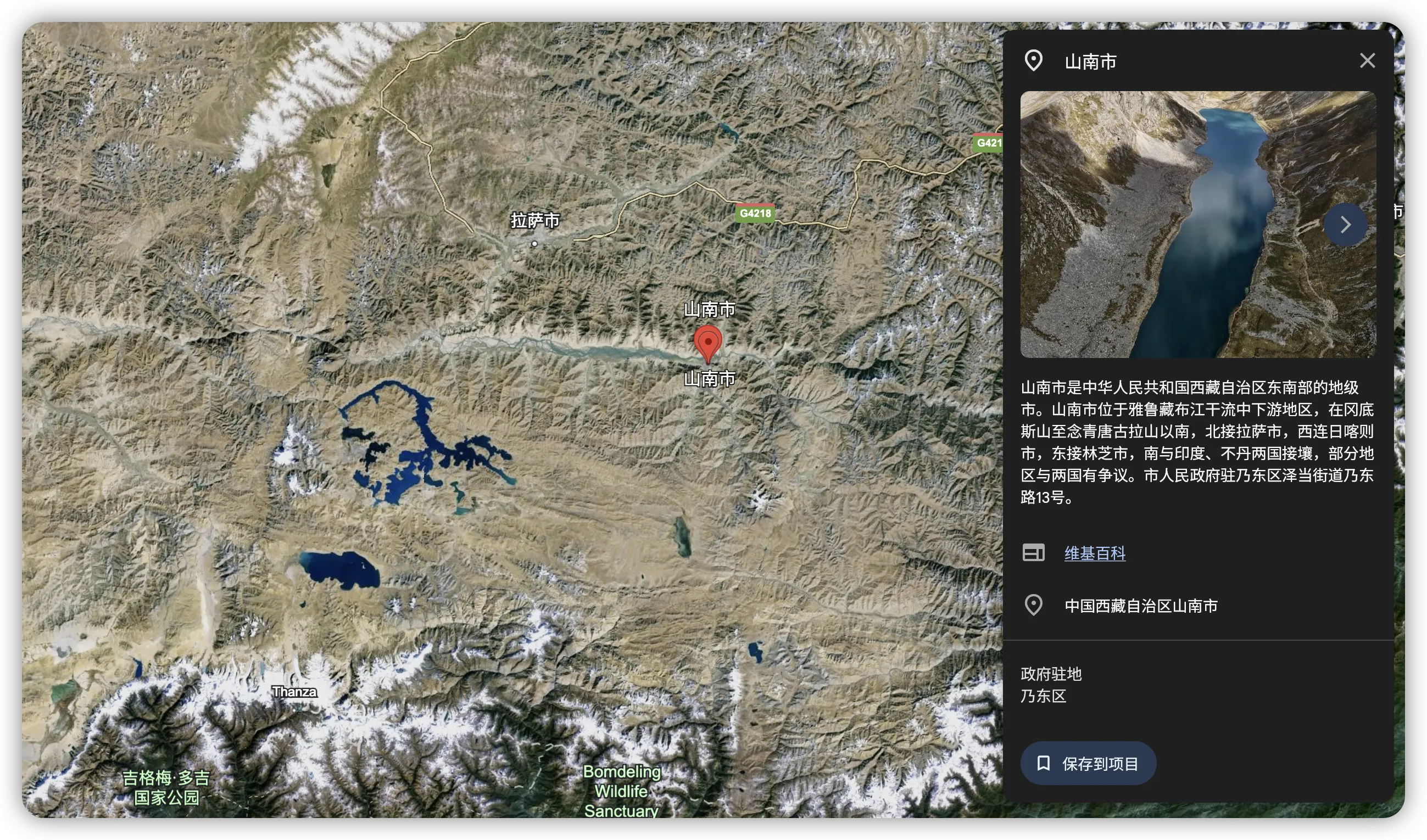
At the hostel I signed up for a one-day small-group trip, Yamdrok Lake and the Karola Glacier, leaving for Shannan the next day.
Shannan means south of the mountains. It takes its name from sitting south of the Gangdise and the Nyainqêntanglha. It is where Tibetan culture began, where the soul of Tibet starts.
1.29
Before we left, I decided to take a risk.
Departure at seven, so I was up at six. I packed, and then I took a hot shower. A shower opens the capillaries in the skin, increases blood volume, lowers blood pressure, and makes altitude sickness worse.
If you have not fully adapted to the plateau, do not shower lightly. You will be unlucky.
The road to Shannan twists. It is a tiring, jolting ride. I sat in the last row, and before long my head hurt badly.
I understood, in the body, what people mean by “the body in hell, the eyes in heaven.”
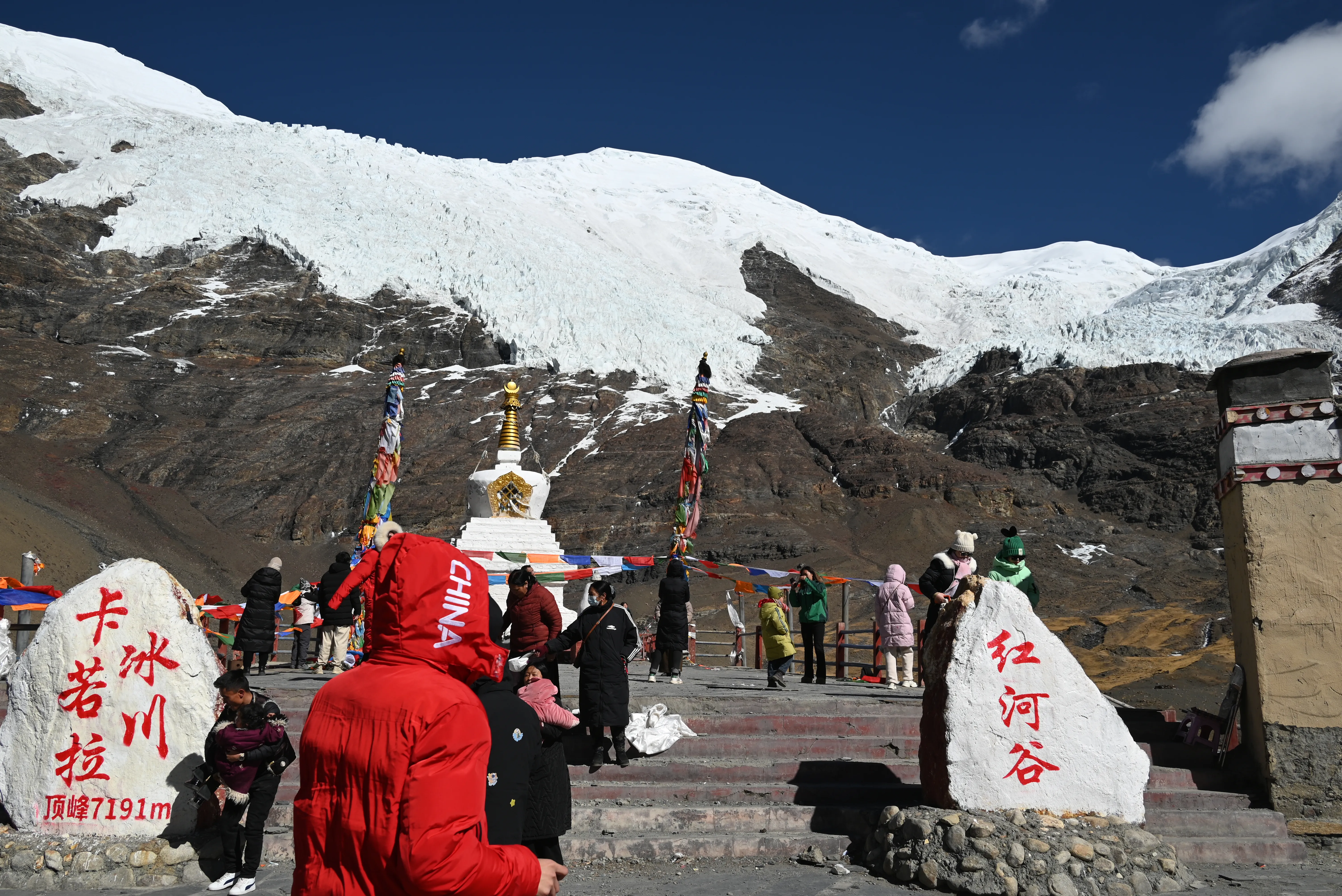
The Karola Glacier
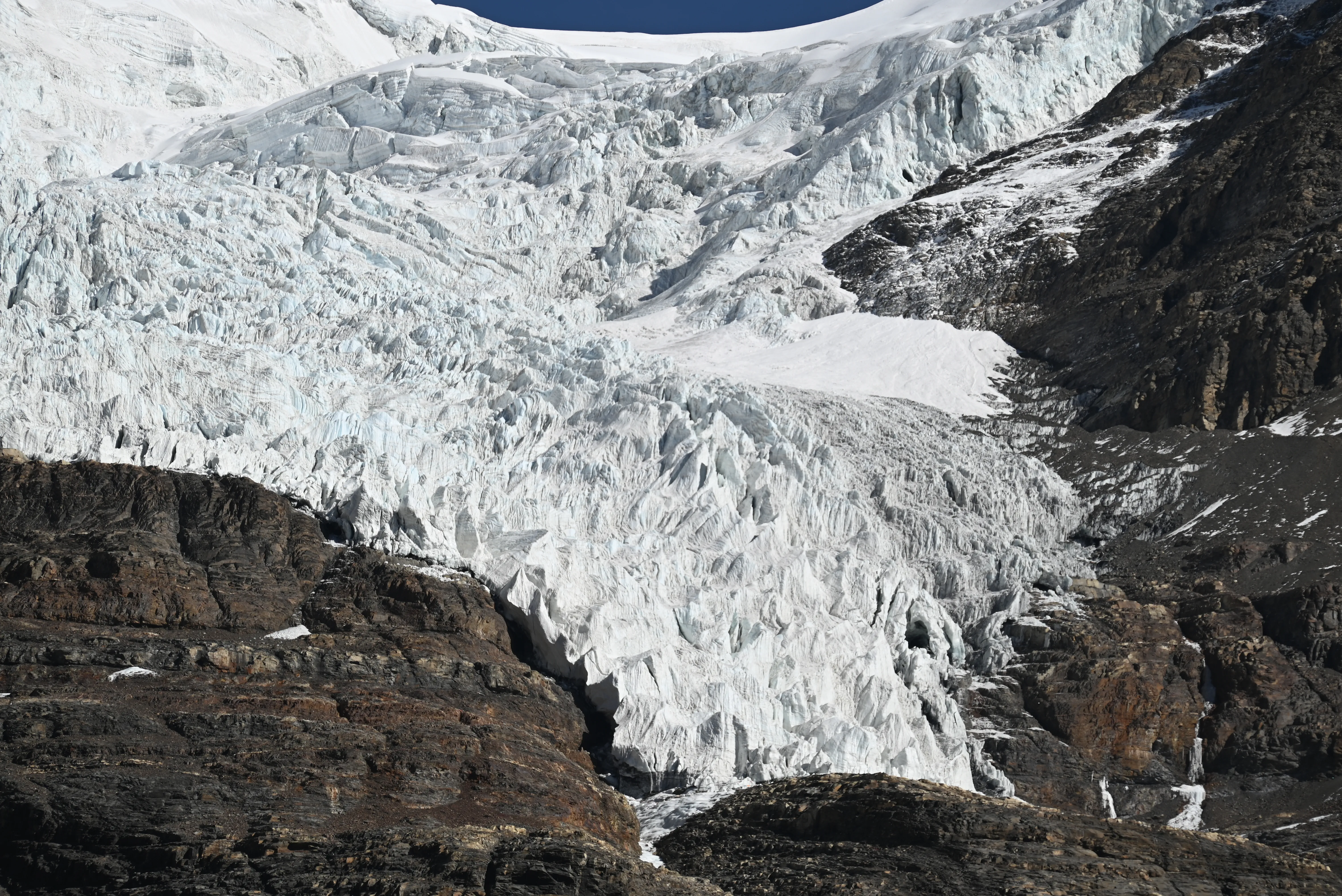
Karola is a glacier in Tibet that you can get close to. It stands beside Provincial Highway 307, the road between the holy lake Yamdrok and the city of Shigatse.
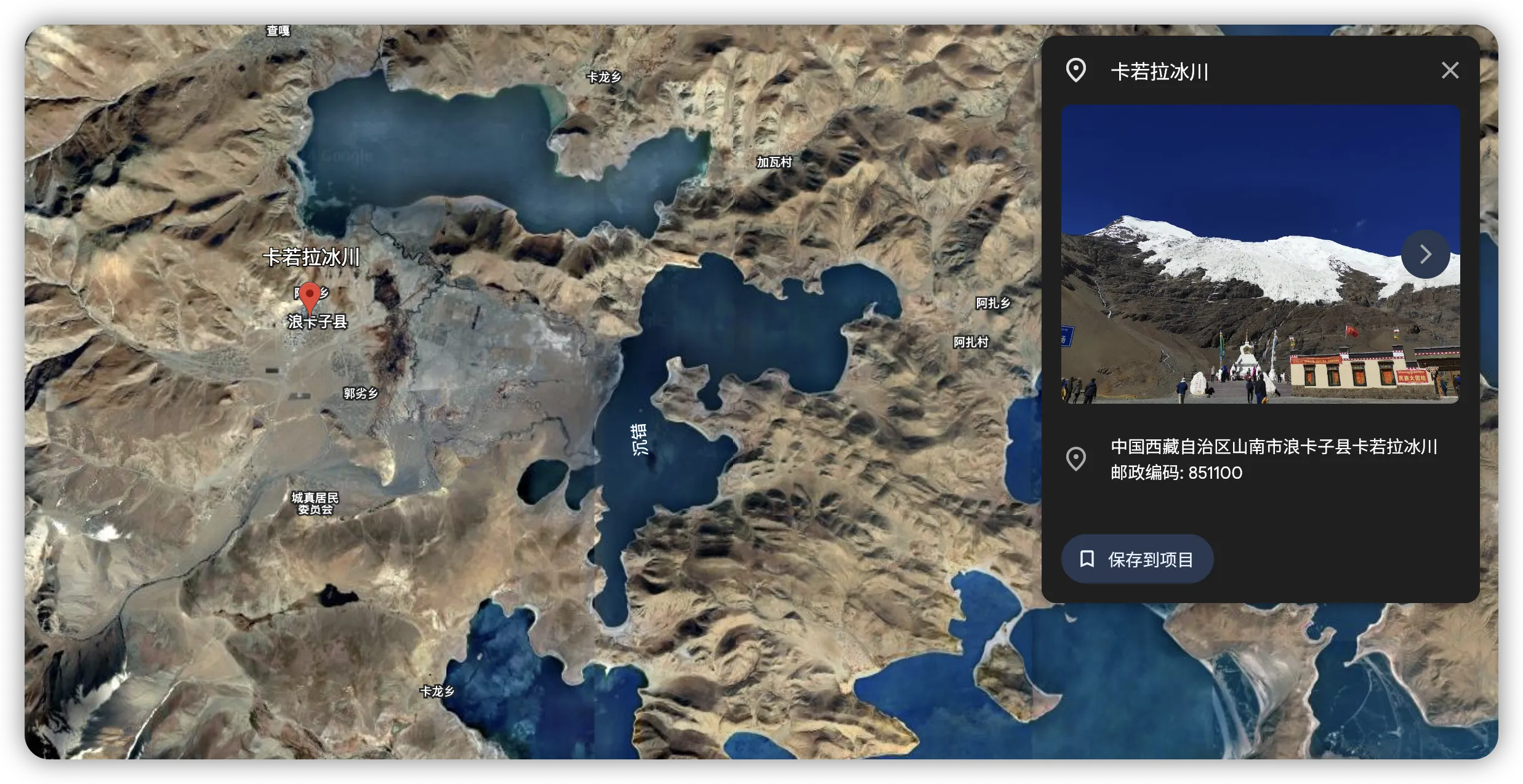
The ice used to reach the road. As the climate has warmed, it has pulled back to the mountainside.
Maybe one day it will not be there at all.
Yamdrok Lake
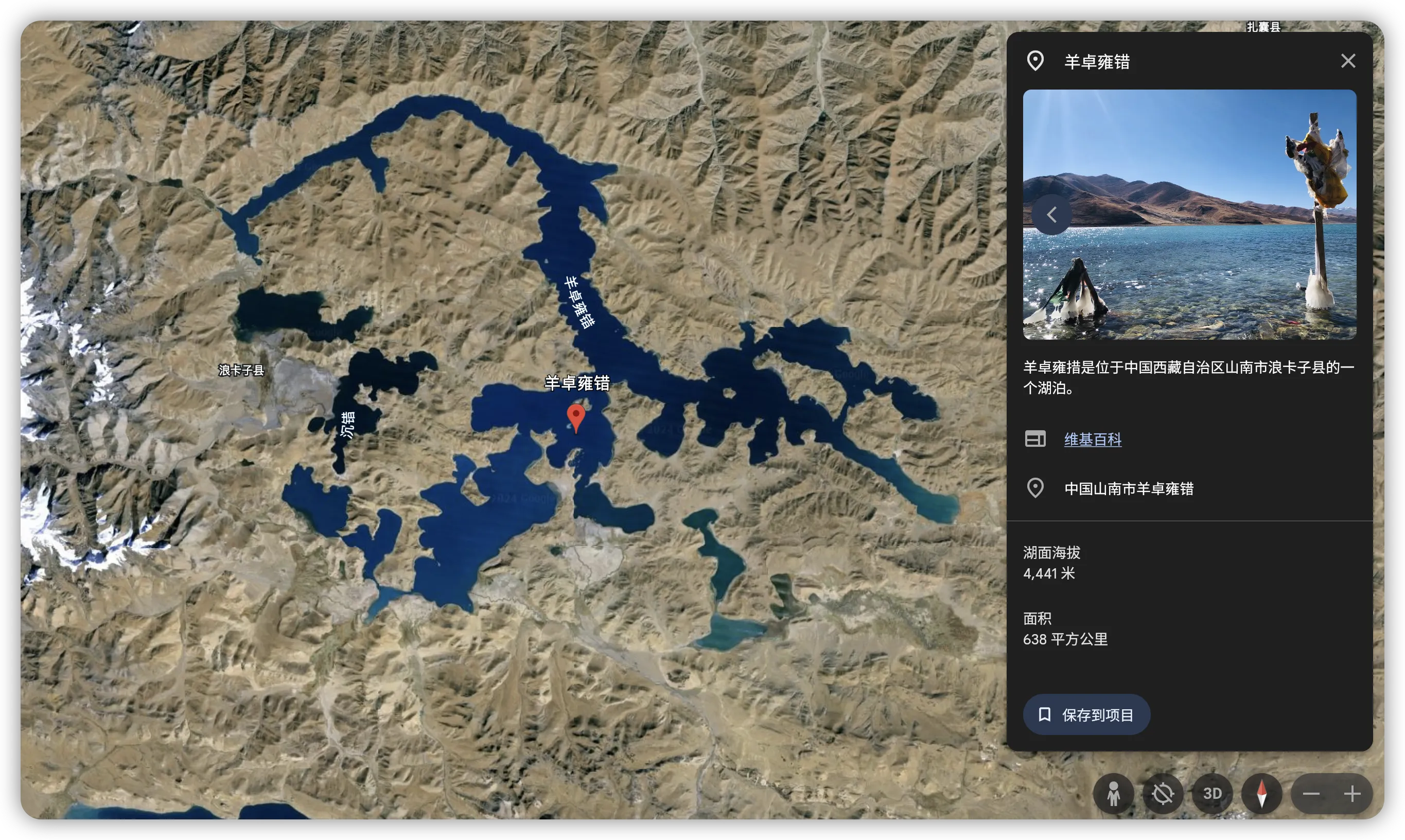
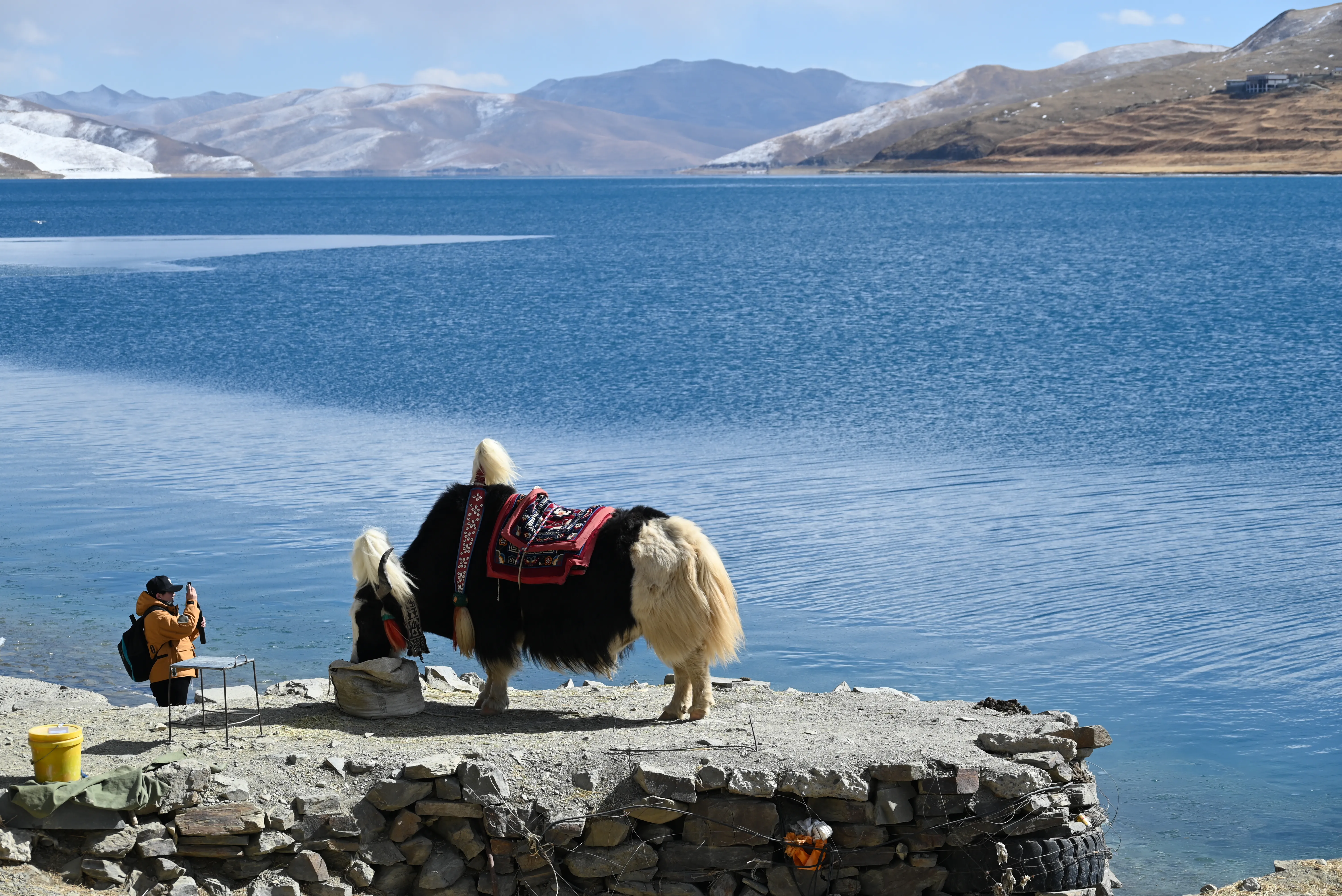
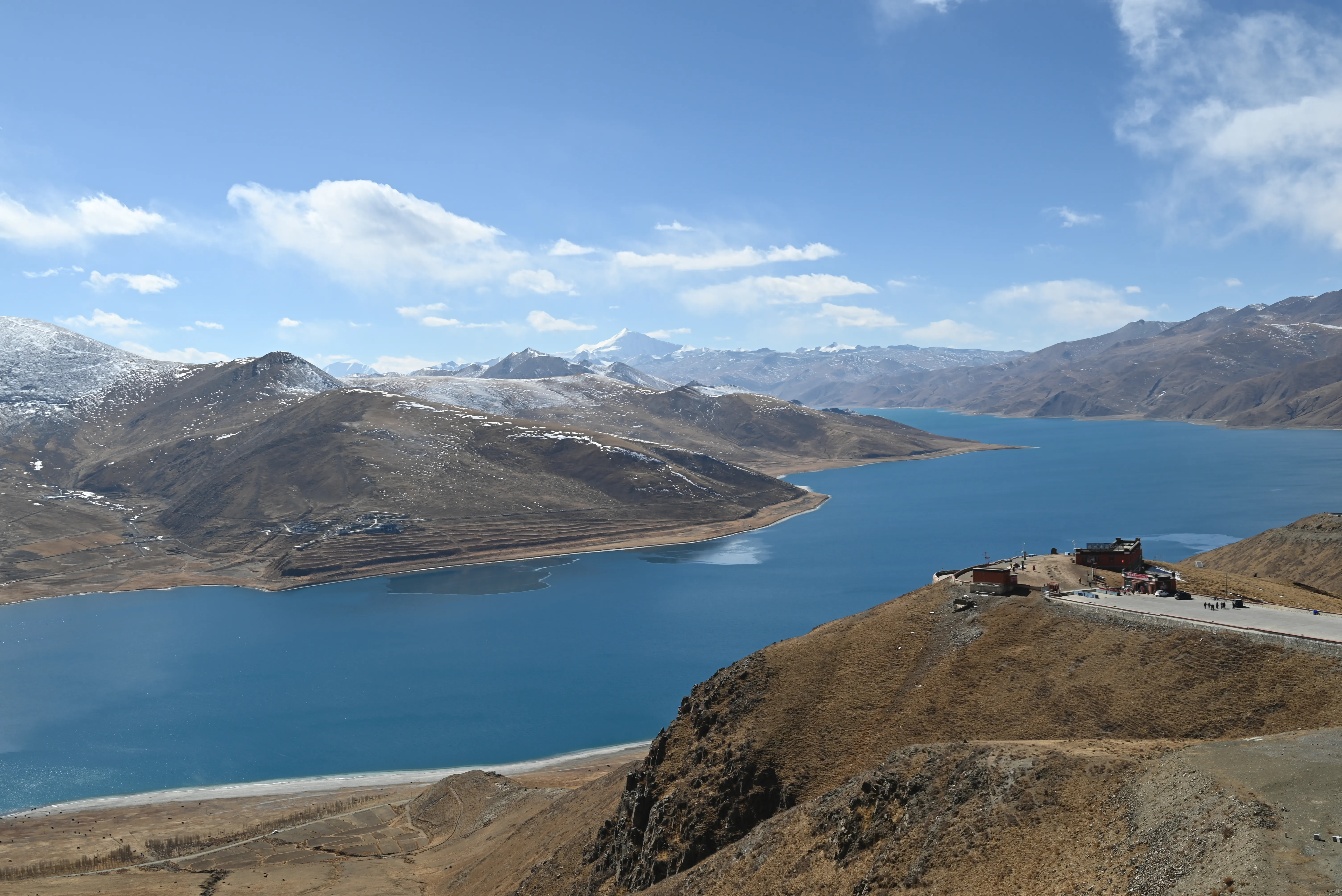
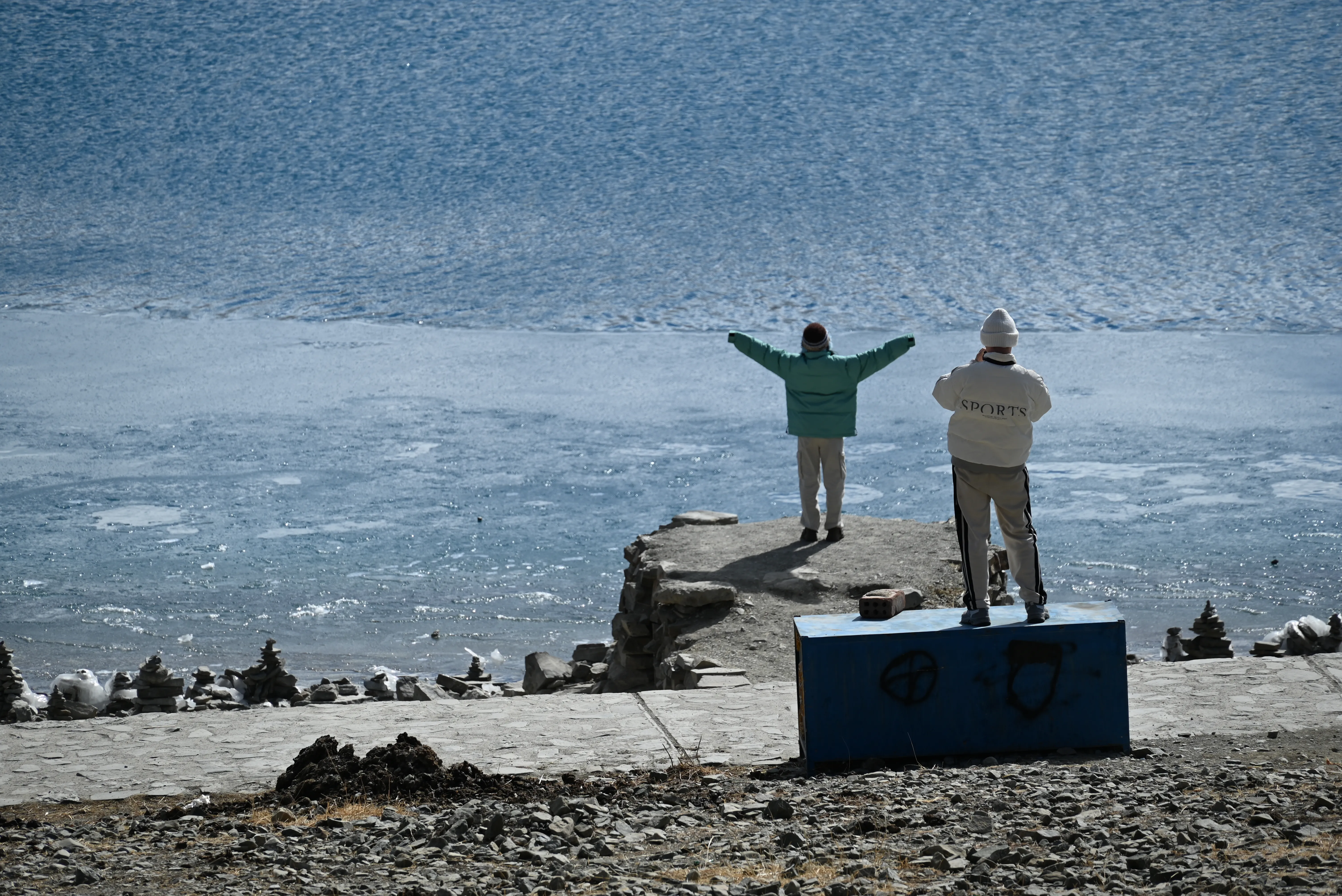
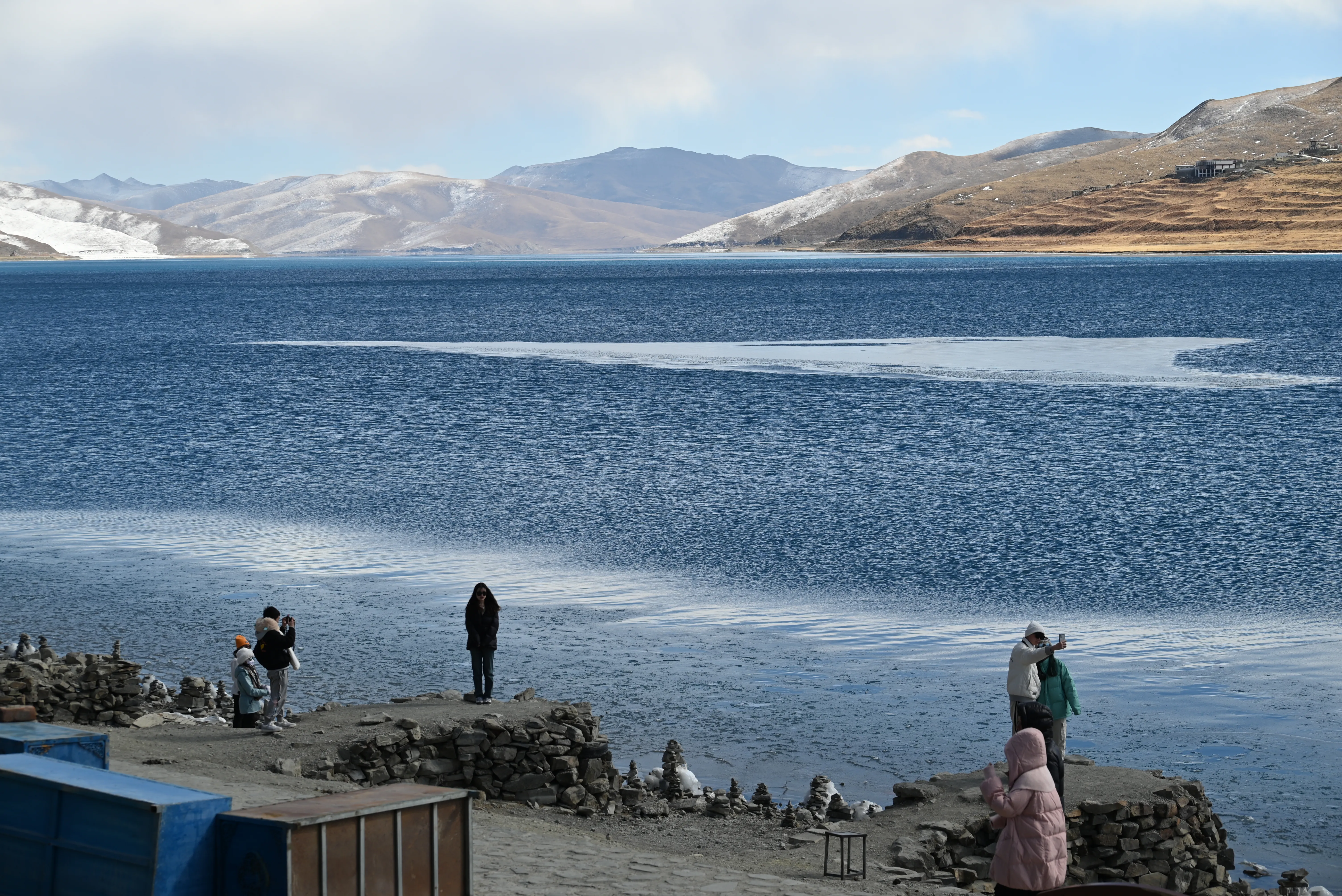
Yamdrok Tso, Yamdrok Lake for short. In Tibetan the name means jade lake. It is in Nagarzê County, Shannan, and together with Namtso and Lake Manasarovar it is one of the three holy lakes of Tibet.
There is a blue called Yamdrok blue. The beauty of the lake is hard to set beside anything else. Tibetans think of it as a turquoise earring the goddess dropped into the human world.
Nyingchi
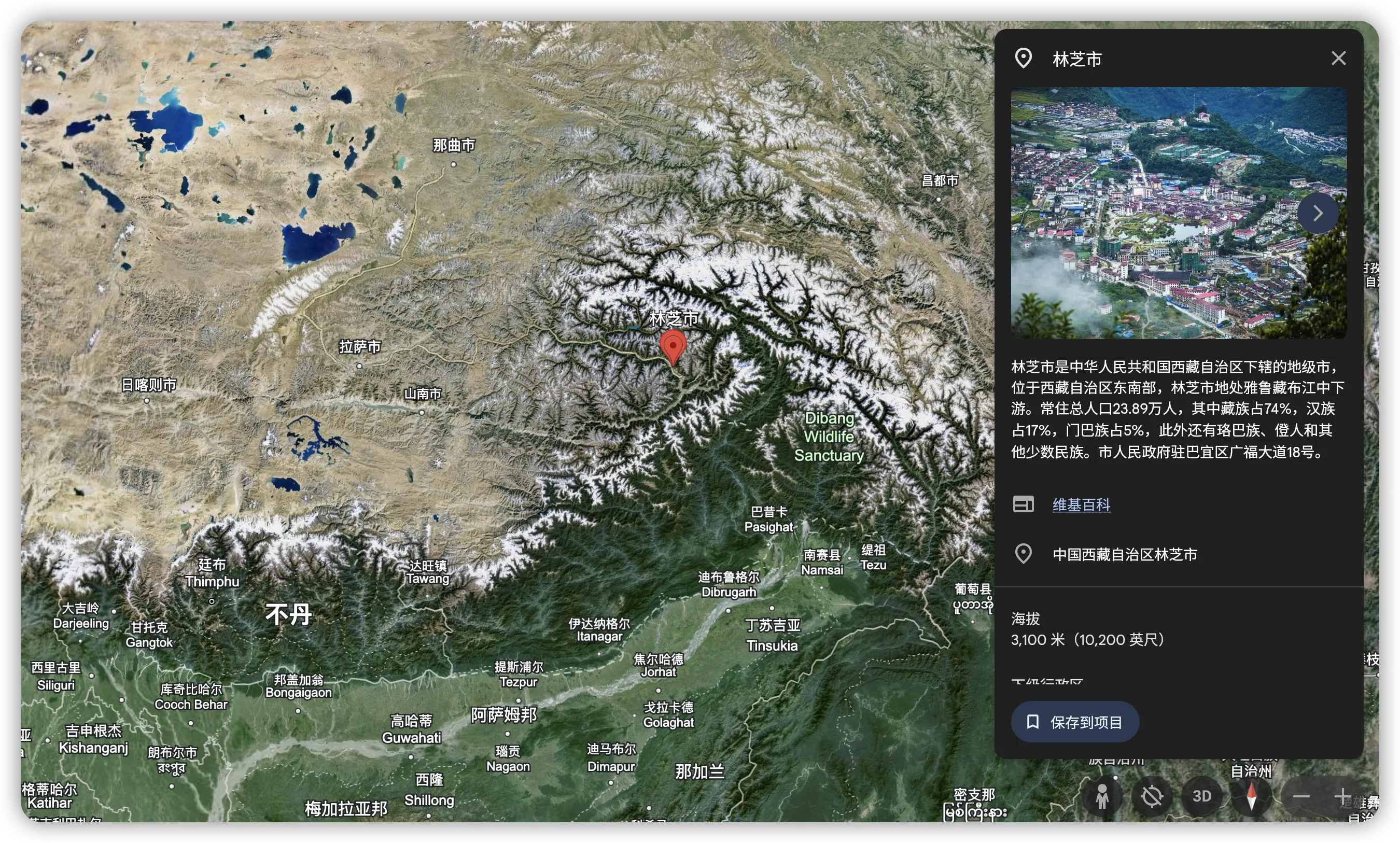
On the 30th I took the Lhasa–Nyingchi railway to Nyingchi.
Nyingchi is in southeastern Tibet. The average elevation is 3,100 meters. It is known for the deepest canyon on earth, the Yarlung Tsangpo Grand Canyon.
1.30
The Lhasa–Nyingchi railway
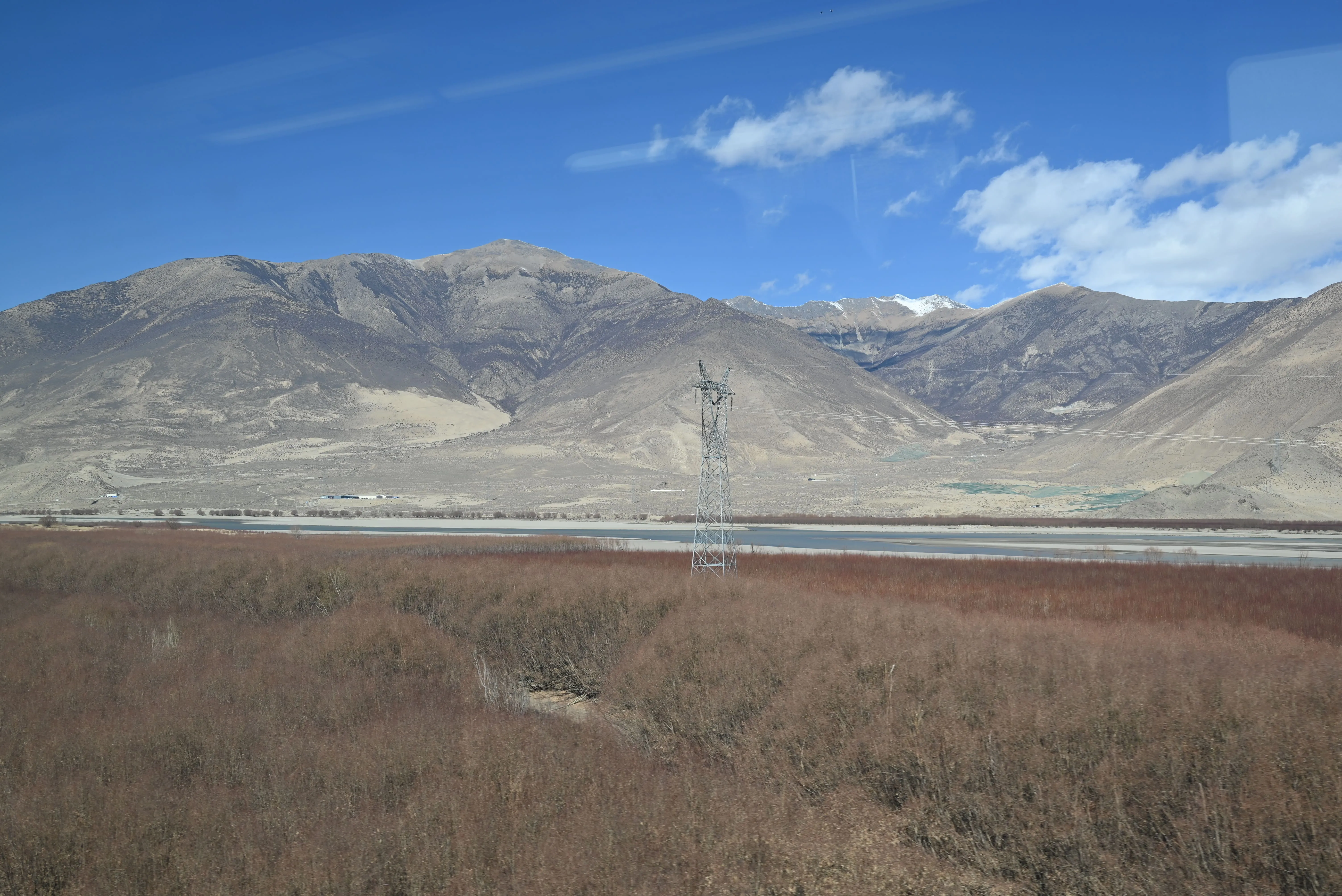
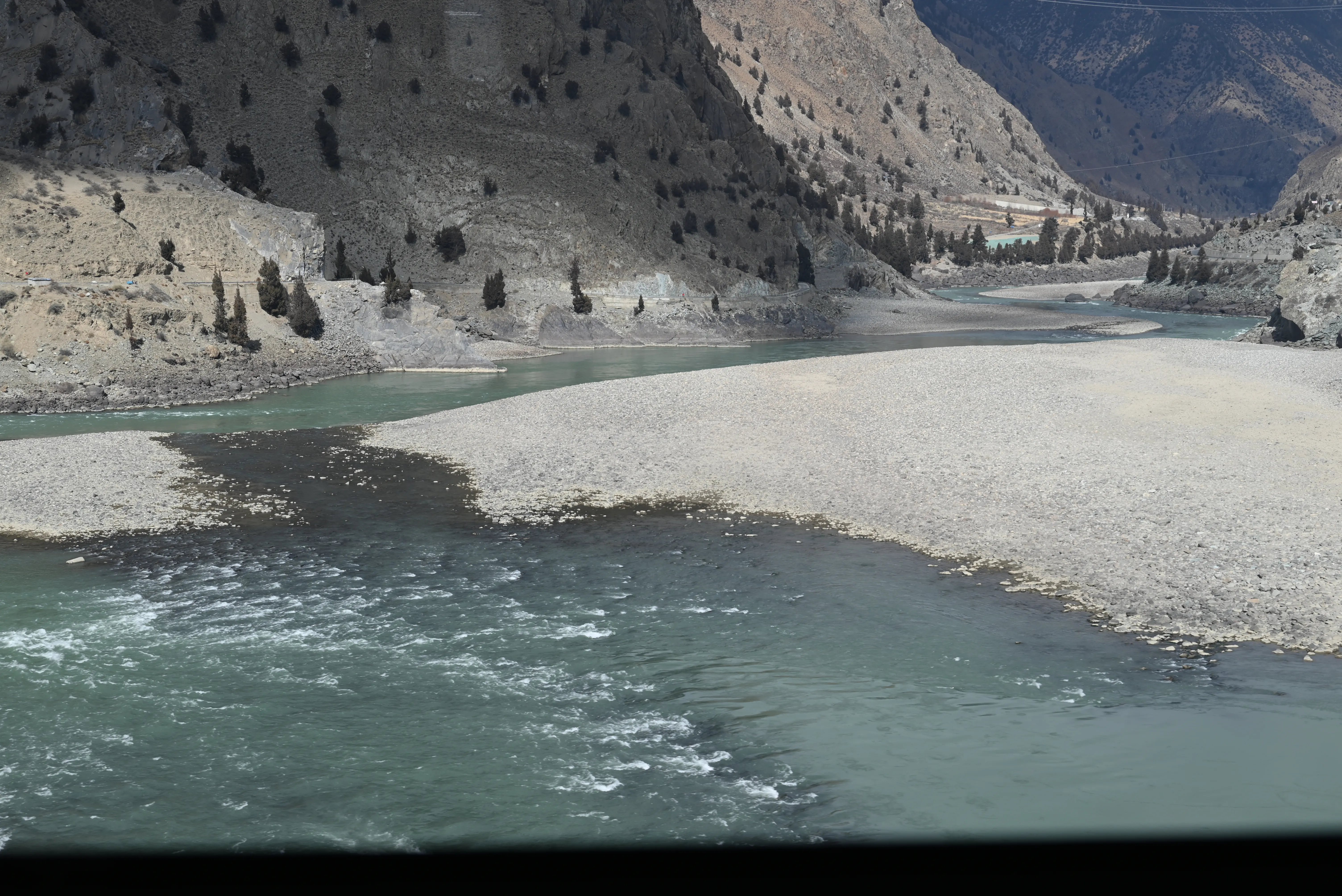
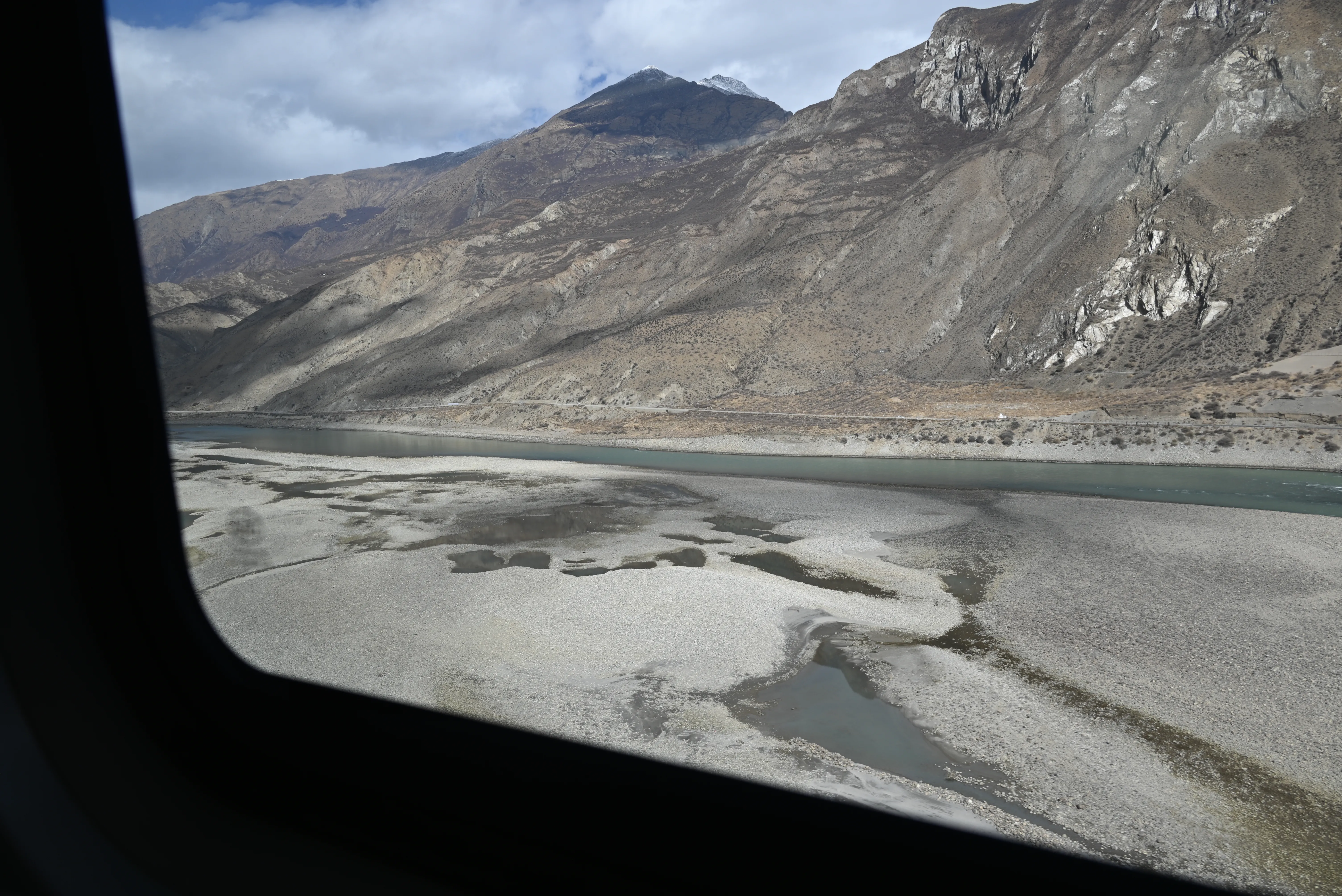
The line crosses the Yarlung Tsangpo sixteen times. More than 90 percent of it sits above 3,000 meters. The mountains are high and the valleys are deep, with a relative drop of 2,500 meters. Construction began in March 2015. By June 25, 2021, the line had 47 tunnels and 121 bridges.
Scenery the whole way, and a feeling the whole way.
1.31
In Nyingchi I booked another one-day tour. The surprise was that, besides the driver, the trip was only me and one other traveler.
The Nyang River
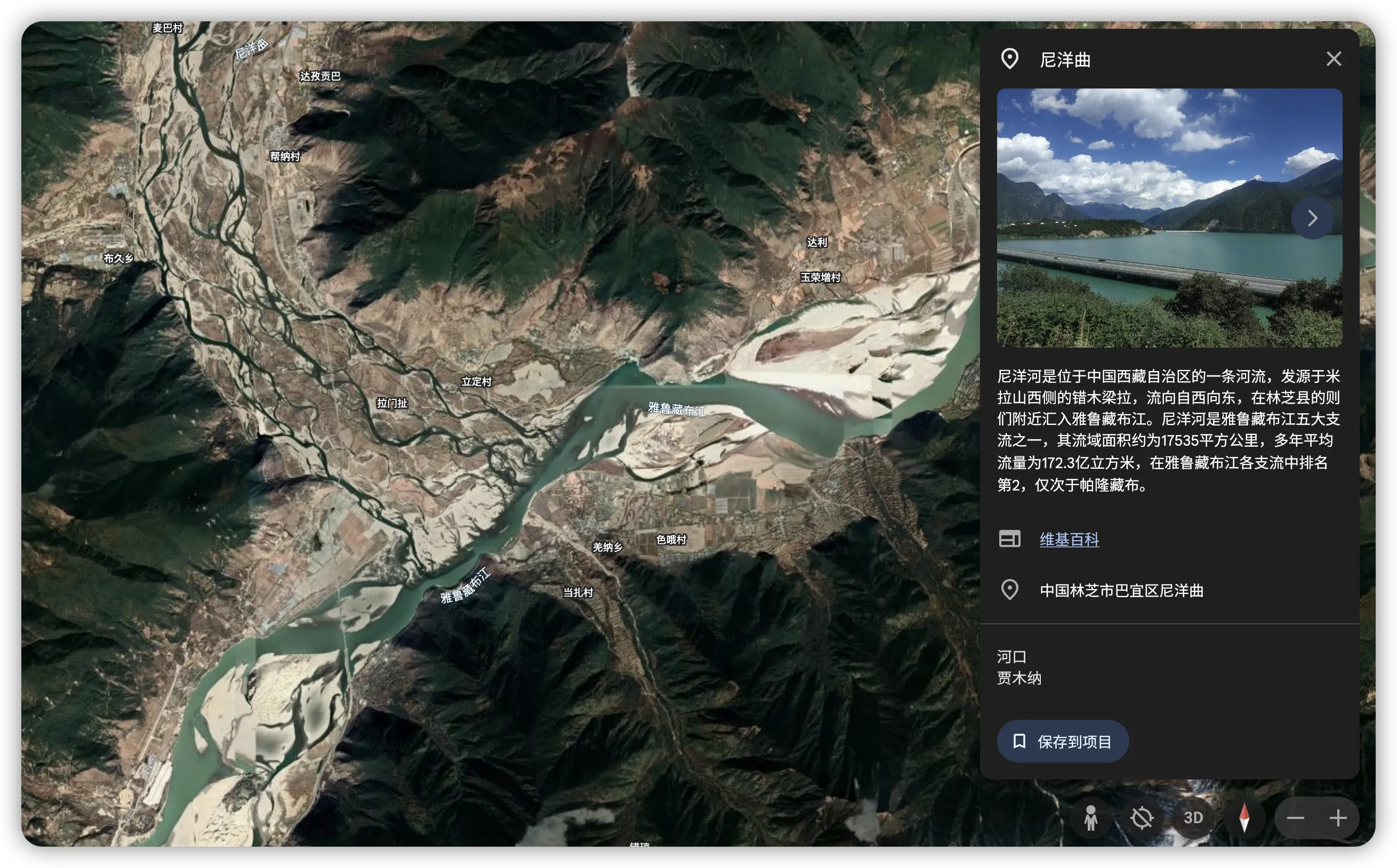
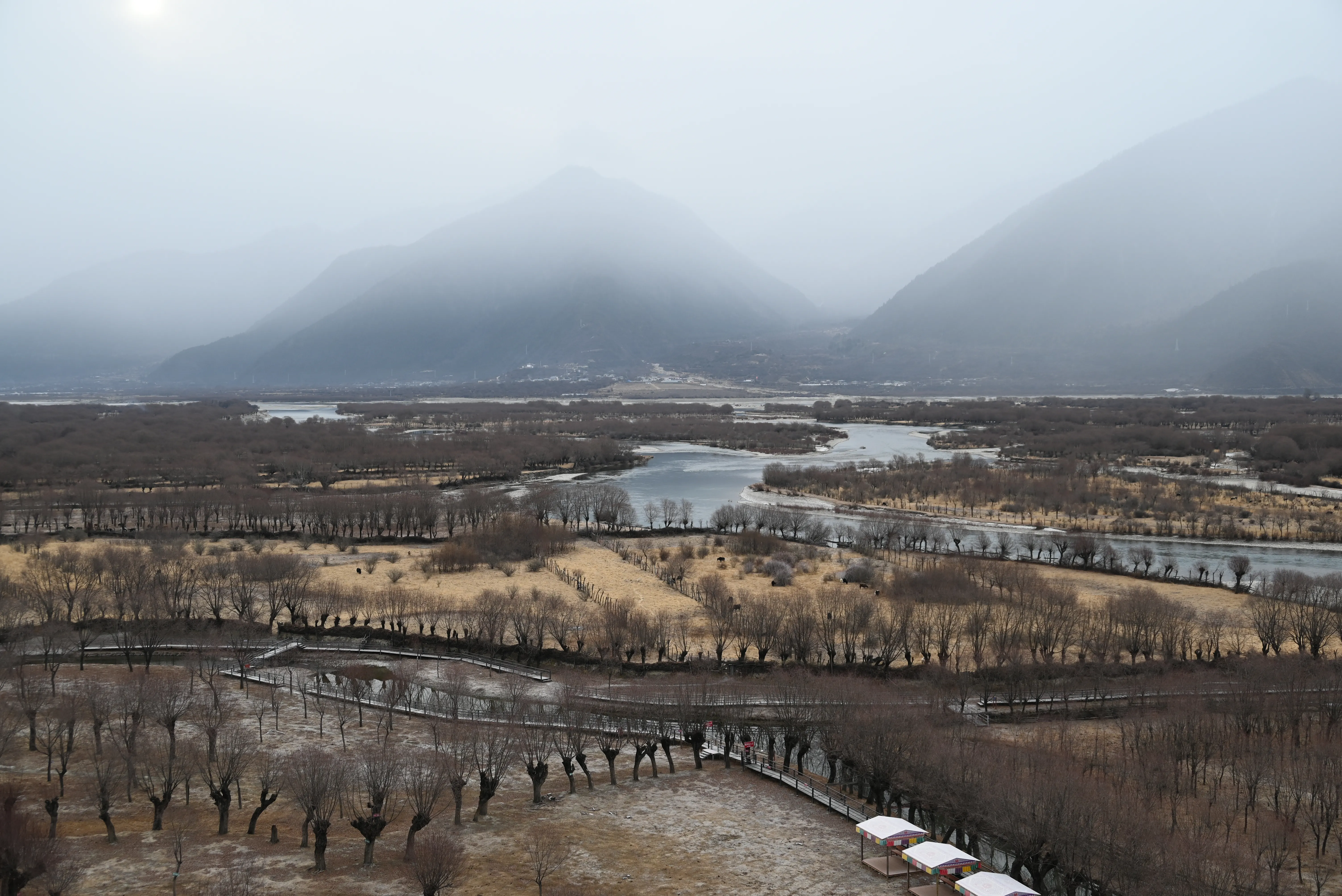
We left at nine the next morning, on time. The first stop was the Nyang River scenic belt.
The Nyang rises at Cuomuliang La, on the west side of Mila Mountain, and runs west to east. Near Zemen, in Nyingchi County, it joins the Yarlung Tsangpo.
The banks are planted with peach trees, in clear layers. Very beautiful.
Buddha’s Palm Dune
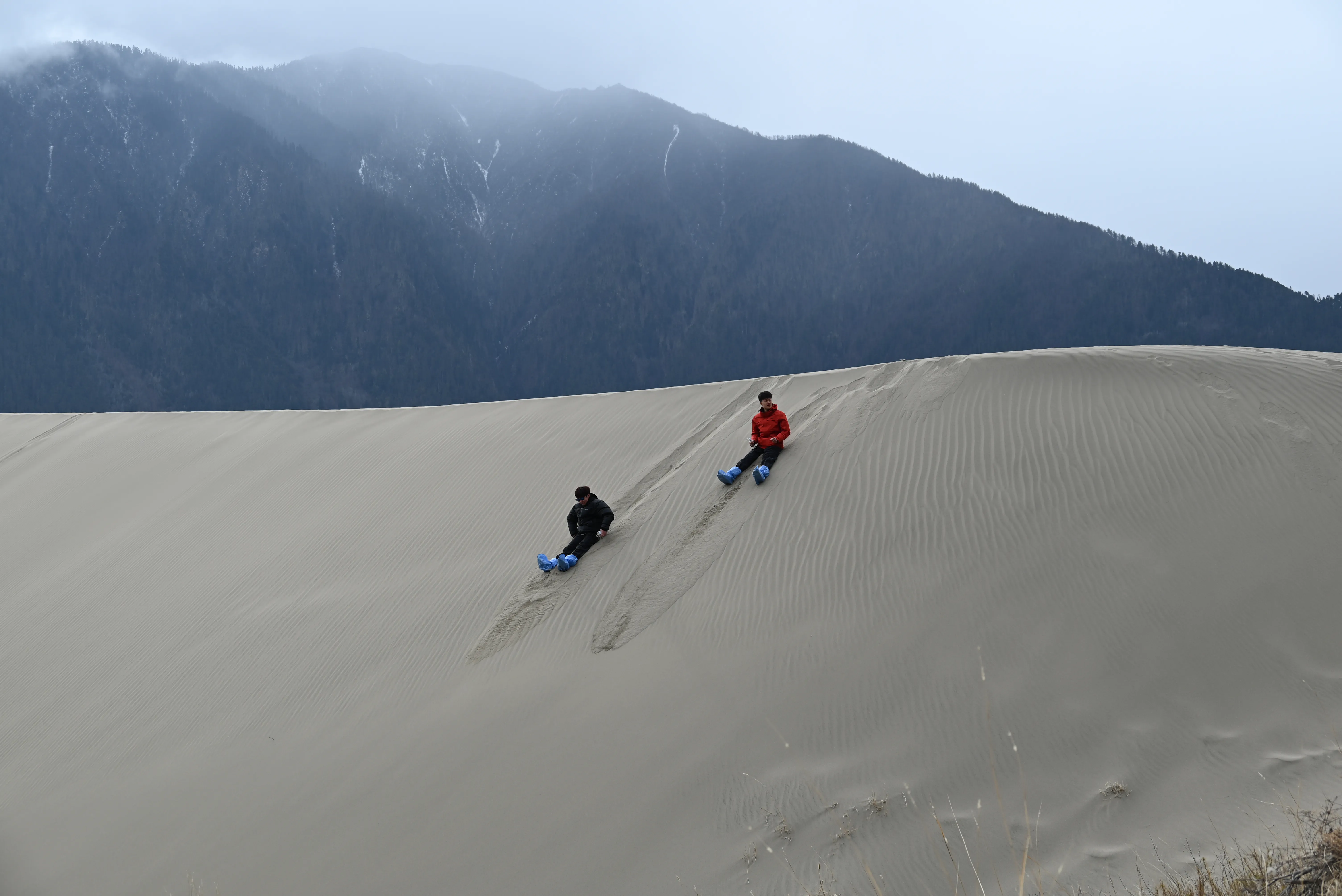
Soon we were at Buddha’s Palm Dune.
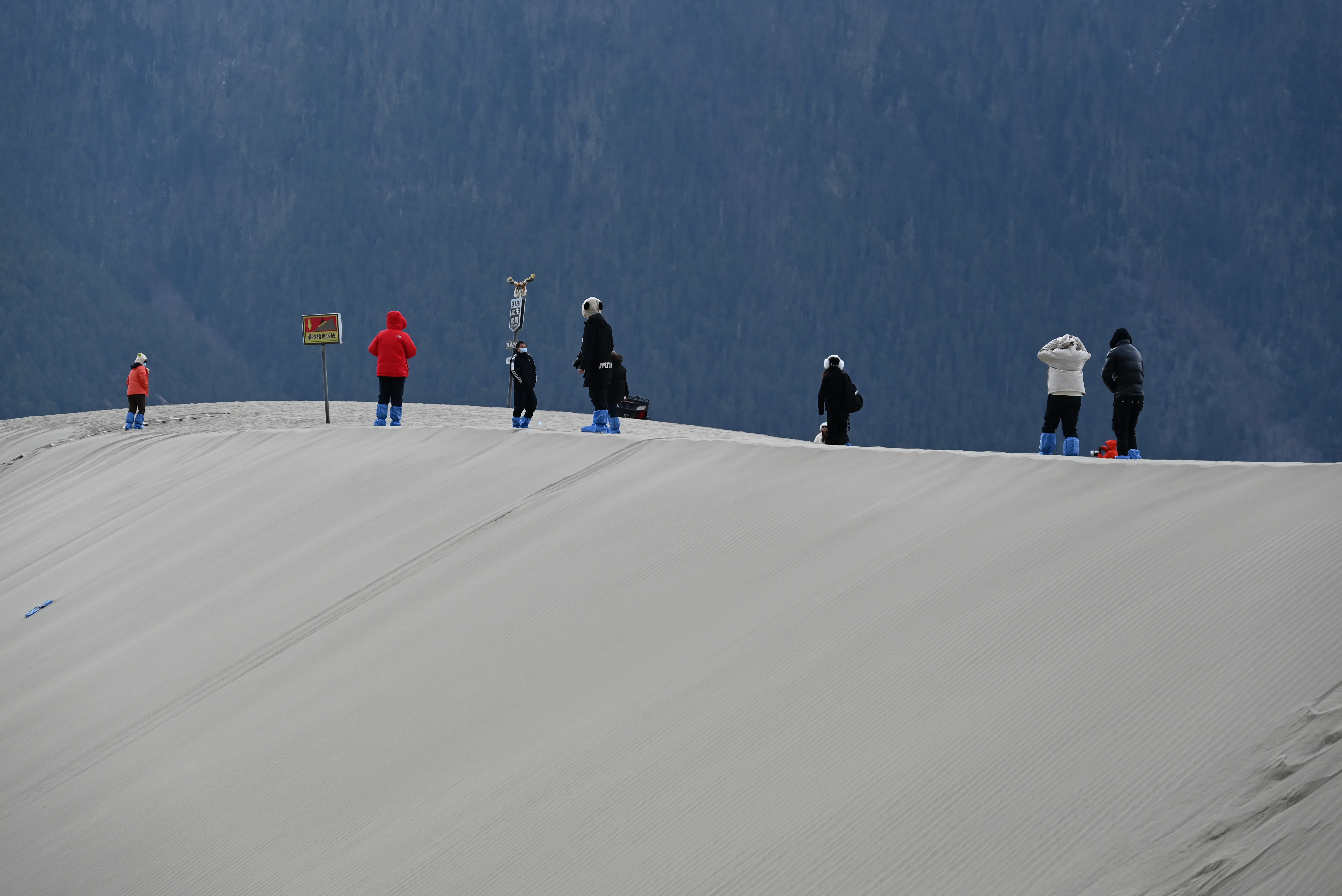
It sits on the north bank of the Yarlung Tsangpo, in Danna Township, Mainling County. The dune and its reflection in the river look like a pair of palms pressed together in prayer, which is how it got the name.
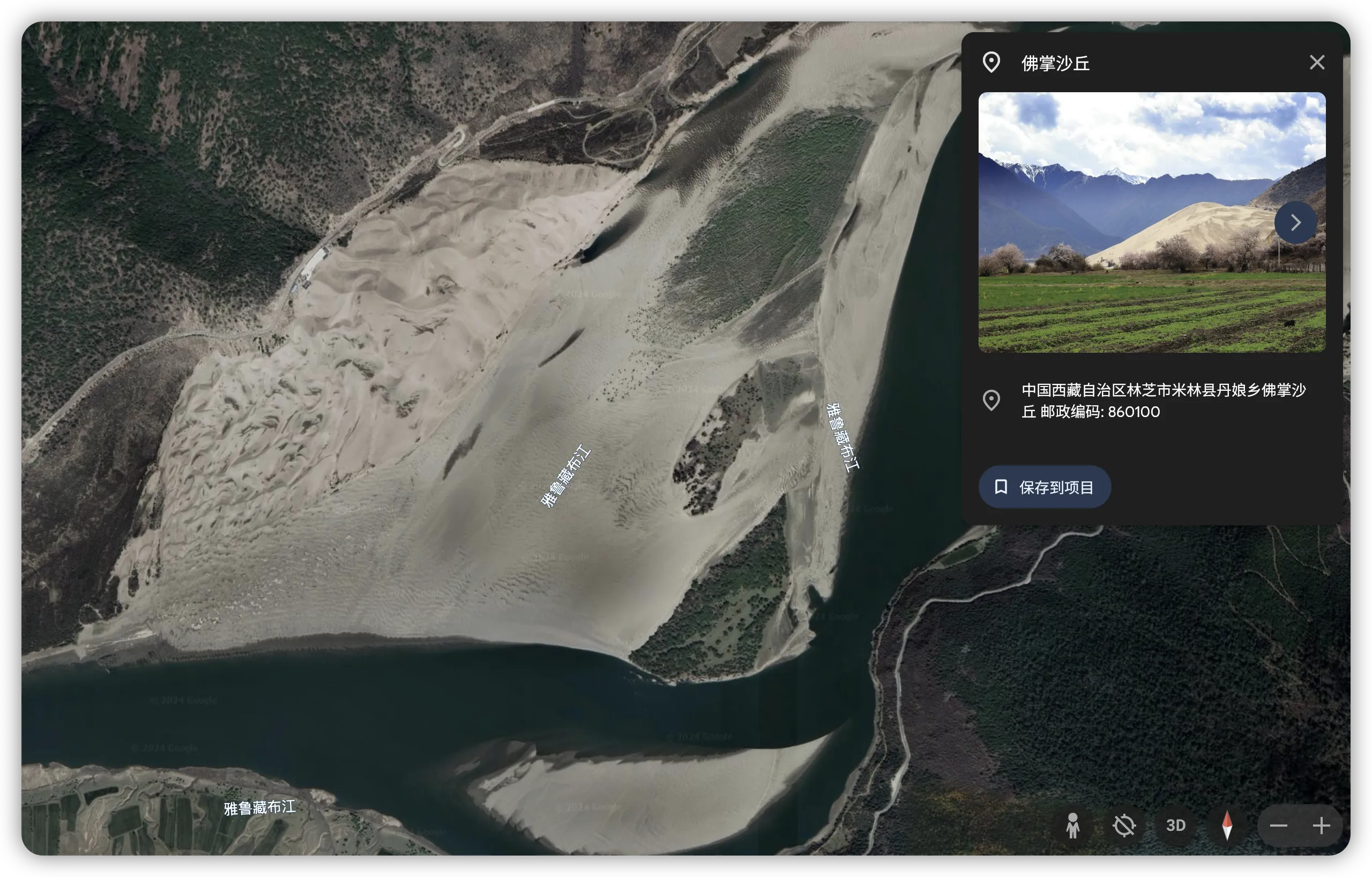
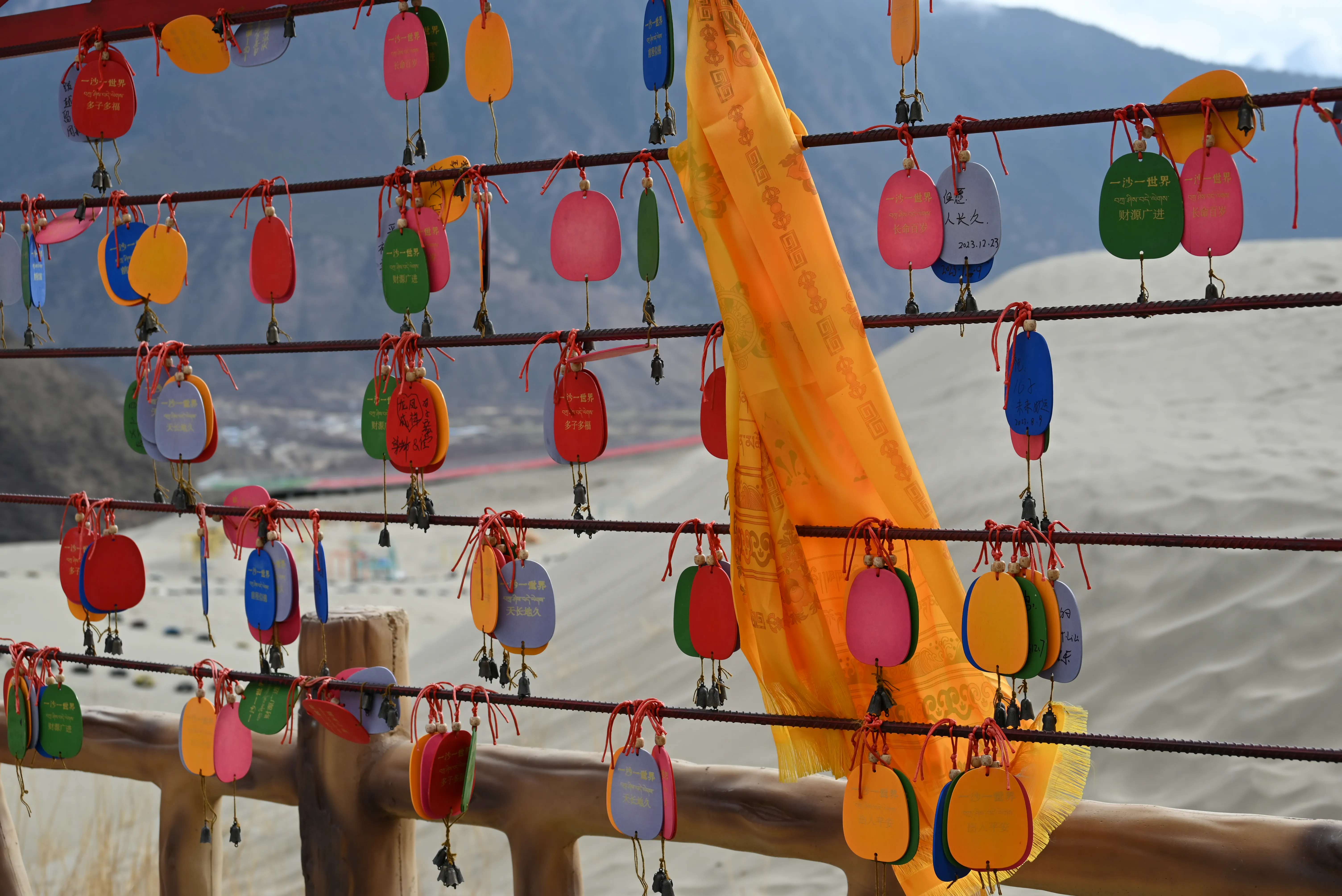
It lies in a strong-wind section of the river’s middle and lower course. From late autumn to late spring the wind comes like a gale. Year after year it lifts the river sand exposed in the dry season and piles it here, into a landform you do not see anywhere else.
The Yarlung Tsangpo
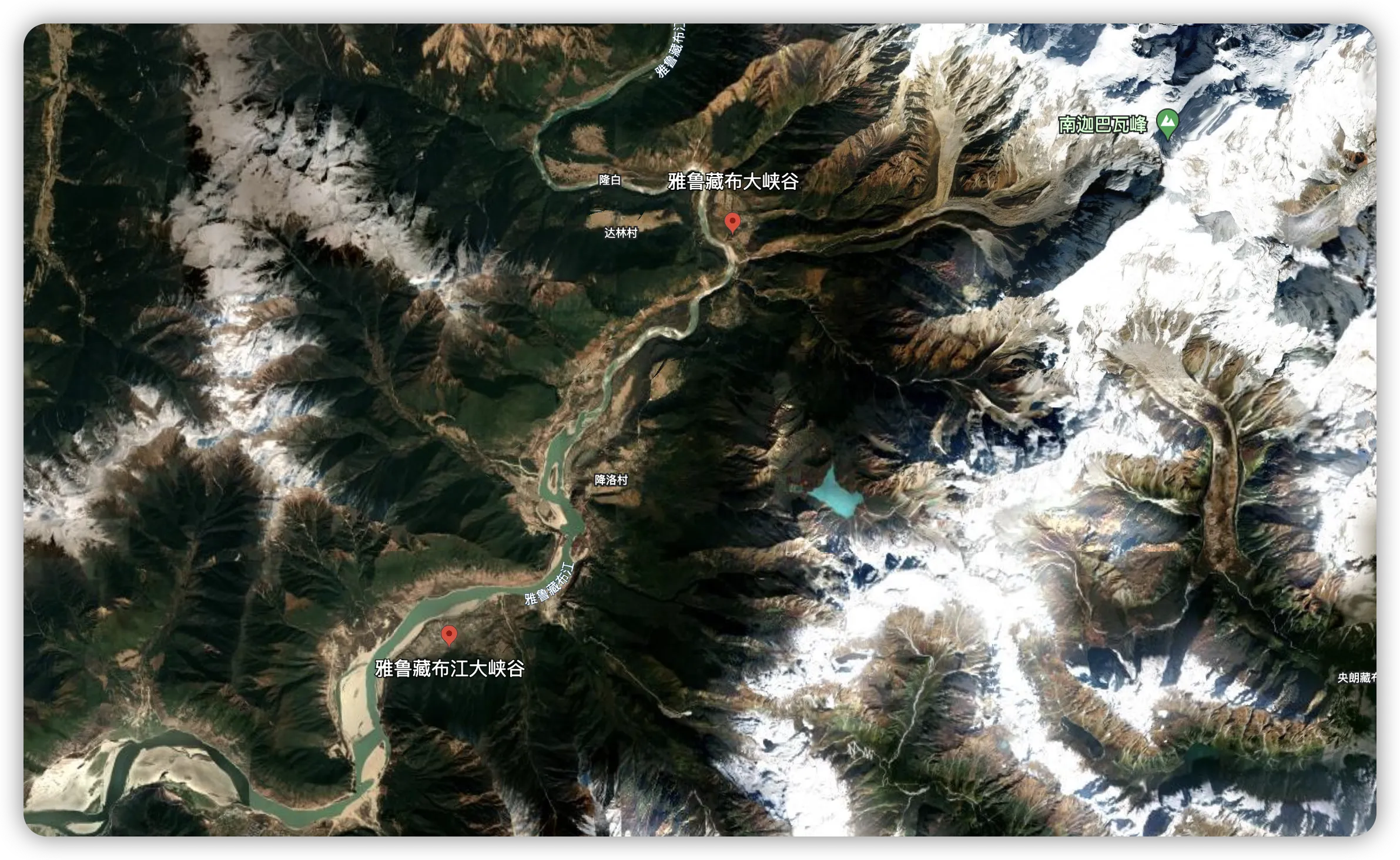
On the plateau people call the roof of the world, there are two extremes. The highest peak, Qomolangma. And the longest, deepest river canyon, the Yarlung Tsangpo.
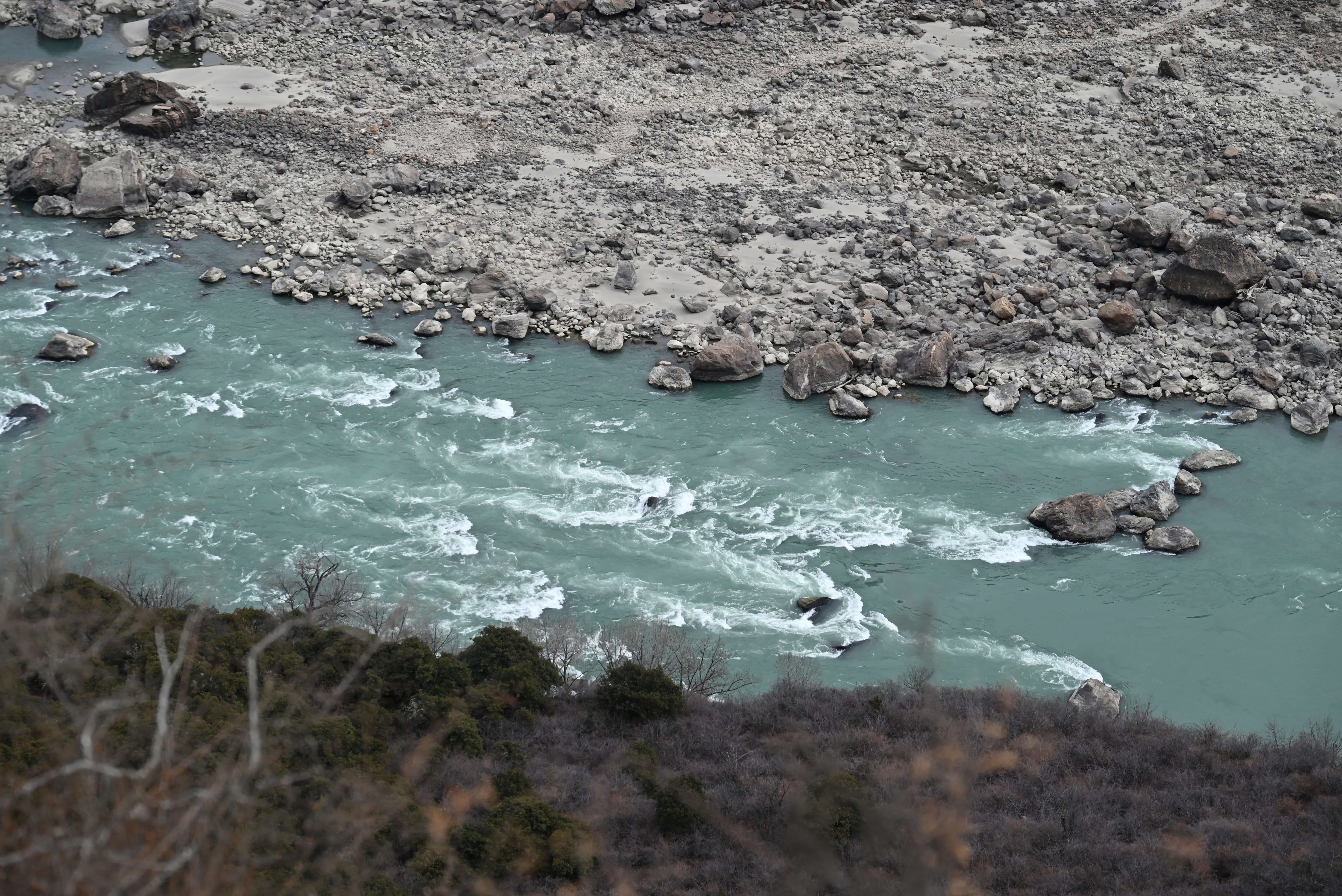
The canyon runs through Mainling County and Mêdog County in Nyingchi. It is 504.9 kilometers long and 6,009 meters at its deepest. Glaciers, sheer walls, steep slopes, debris flows, and a river in heavy waves are braided together through the whole of it. People call it the last secret place on earth.
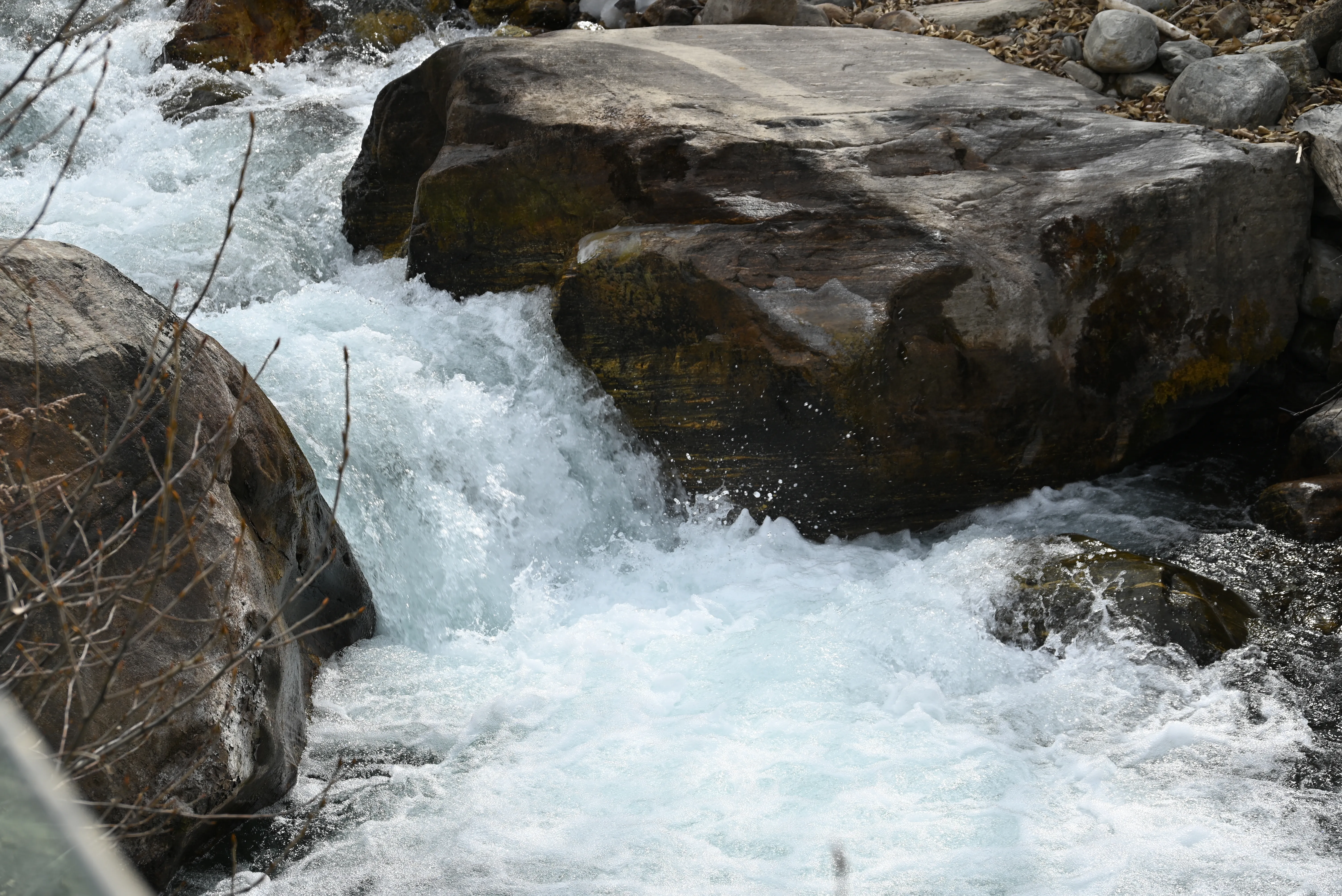
One will, one force, and it does not stop running.
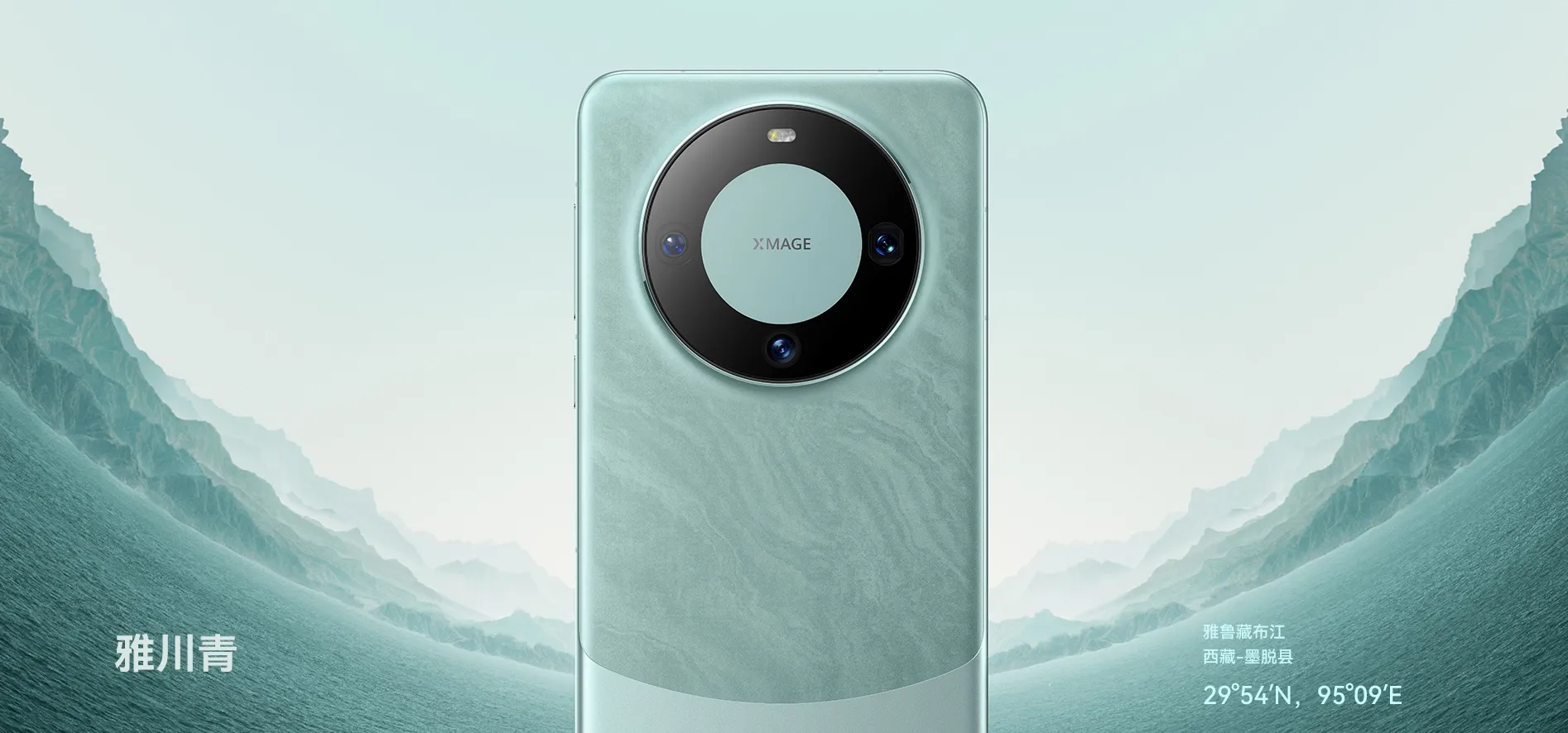
Namcha Barwa
Look down and it is the Yarlung Tsangpo. Look up and it is Namcha Barwa.
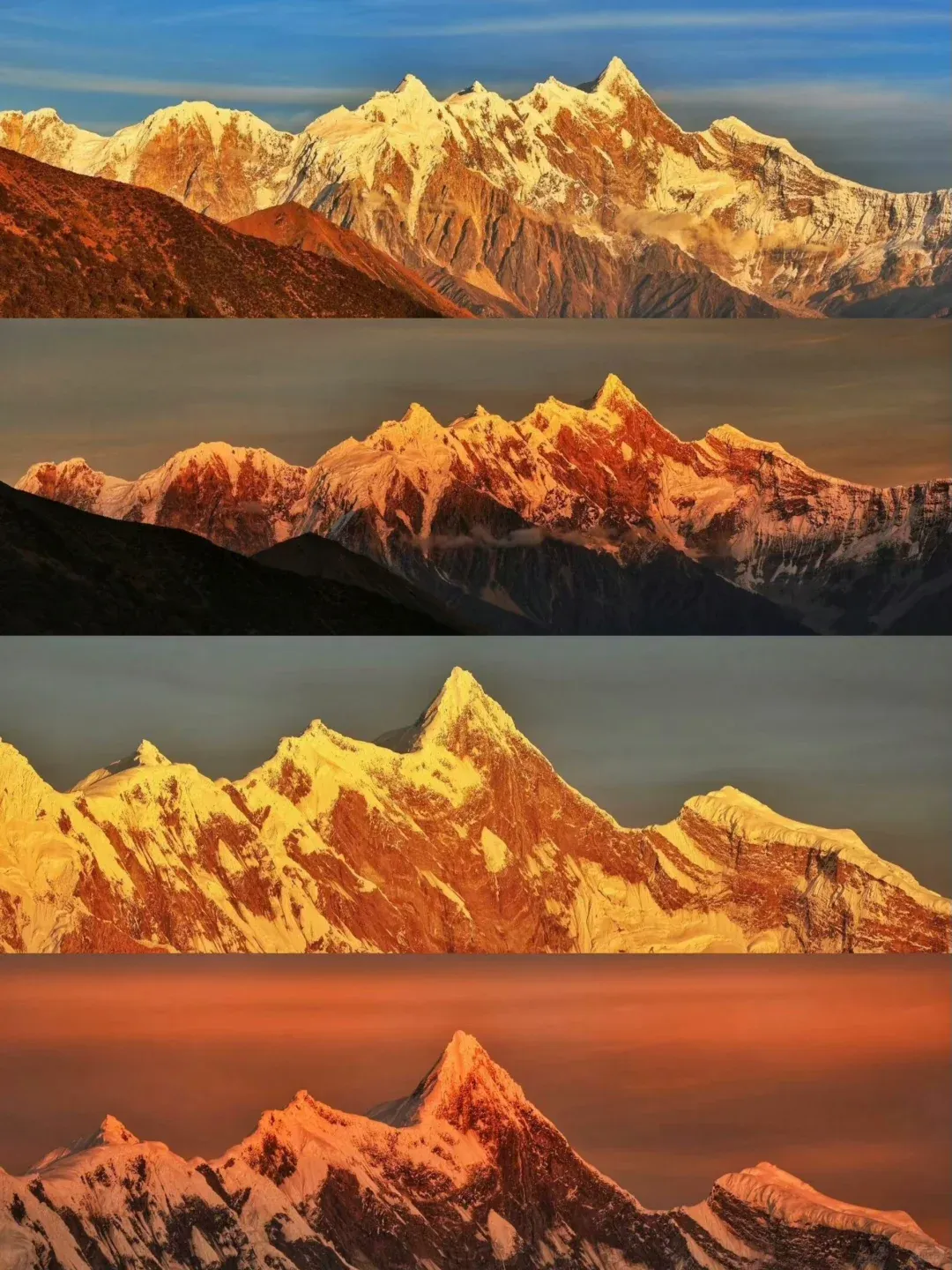
Namcha Barwa is first among China’s ten most beautiful snow mountains. It stands at 7,782 meters, the 28th highest peak in the world. The huge triangular summit is under snow all year, wrapped in cloud, and it does not show its real face easily. People also call it the Shy Woman Peak, and paradise in the clouds.
Nine out of ten people who go do not see it. We did not see it either.
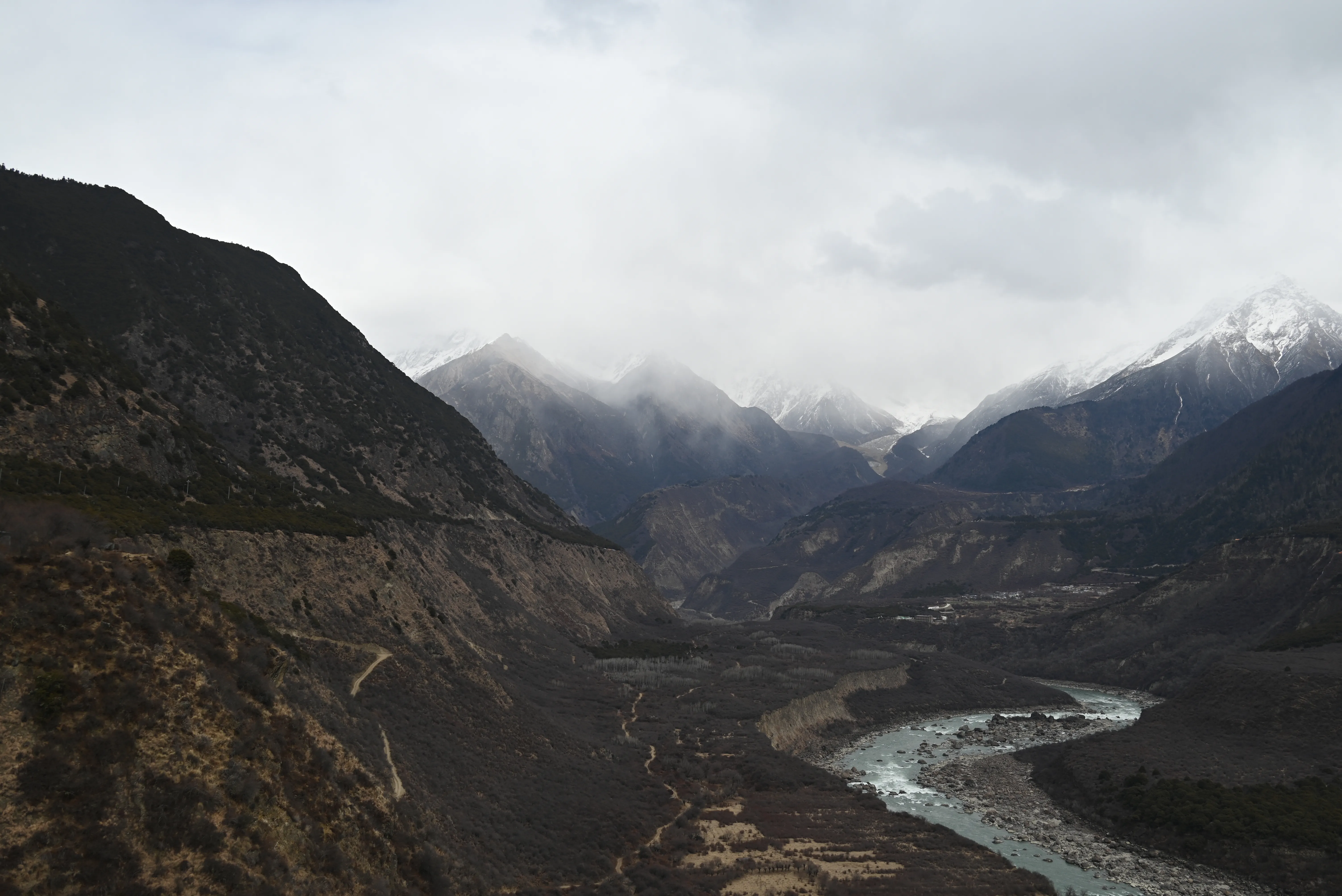
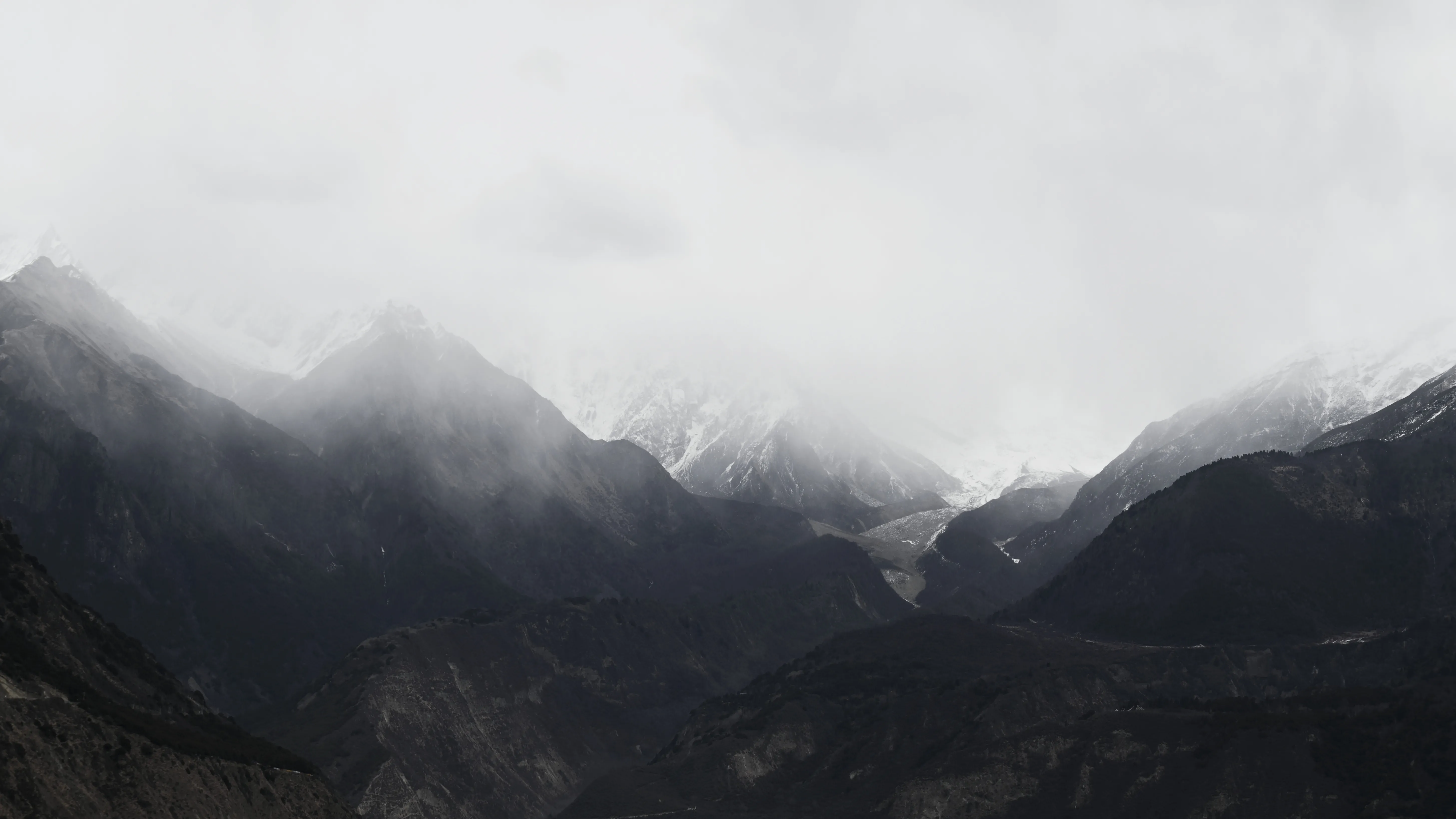
The photo below is from Xiaohongshu. The user id is so_wdy.
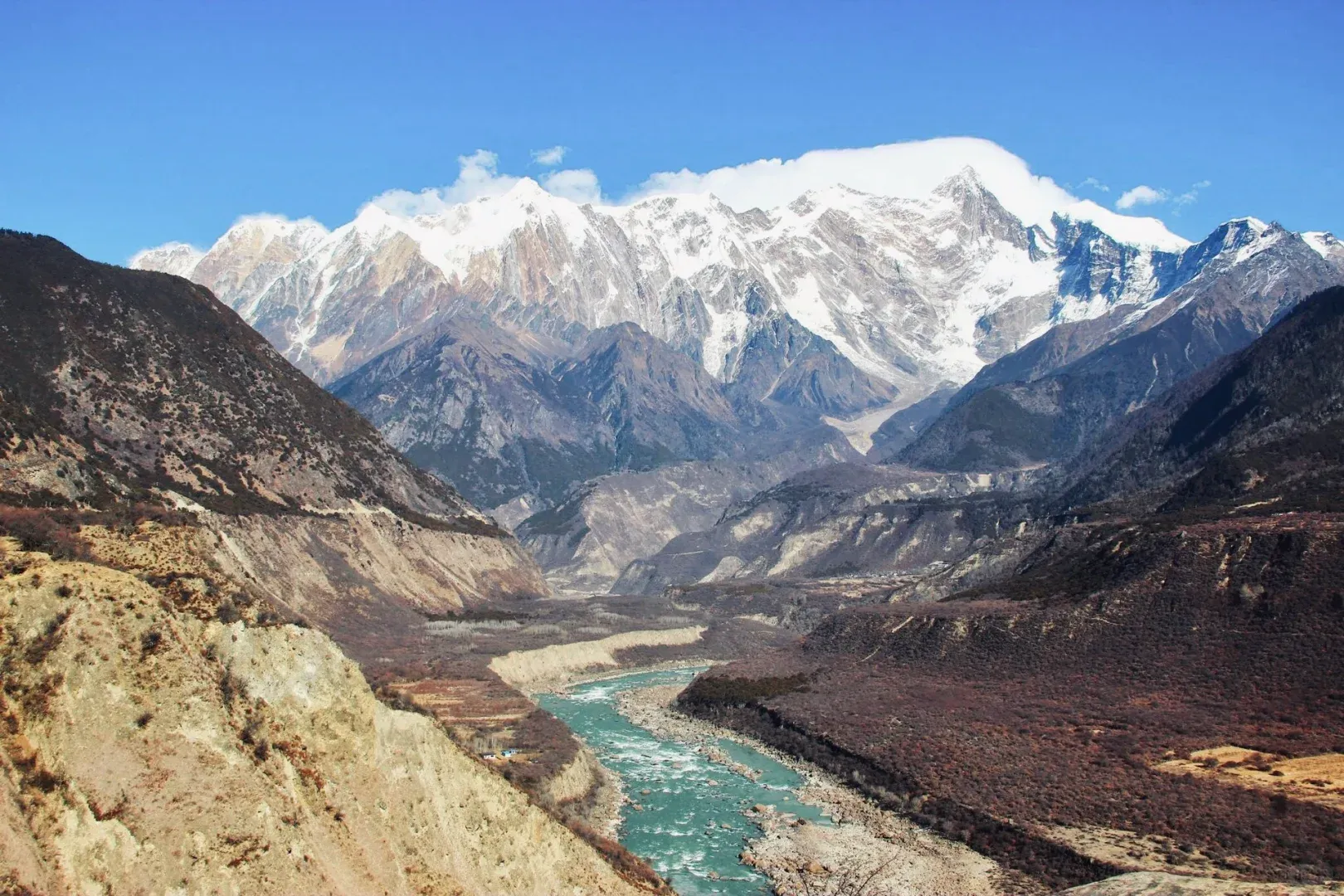
At the end
Maybe a regret is only so the next meeting can be better. A week of travel ended like that.
Why does a person have to go to Tibet once in a life?
Nineteen-year-old Luo was looking for himself. Bing, caught in a feeling, was looking for an answer.
And me? I went to read the mountains and the rivers. To see heaven and earth, to see other living people, and to see myself.
And you?