Goodbye, 2022. Hello, 2023.
I did not set myself many plans last year. The main quest was the graduate entrance exam.
Why take the exam
I asked friends around me why they were taking it. The answers came down to something like this.
- They want to stay at a university, or teach at one, and a master’s and then a doctorate is a required step.
- They feel they learned nothing in college, and they want to try graduate school and pick up a real skill.
- If they get in, they go. If they don’t, they look for a job. Why not try? Trying doesn’t seem to hurt.
- They dislike the major they are in, and they want to chase an interest and study what they actually want.
- Four years of college, three of them inside the pandemic. Everything is too competitive. They don’t want to enter society this early. They want to renew their time on campus.
- A graduate degree starts at a much higher salary than a bachelor’s. The job market is complicated. Take the exam, “drift” for a few years, and work later.
- The college entrance exam did not go well. A graduate degree lifts the credential, and later you meet more excellent people. A wider circle.
Why I took it
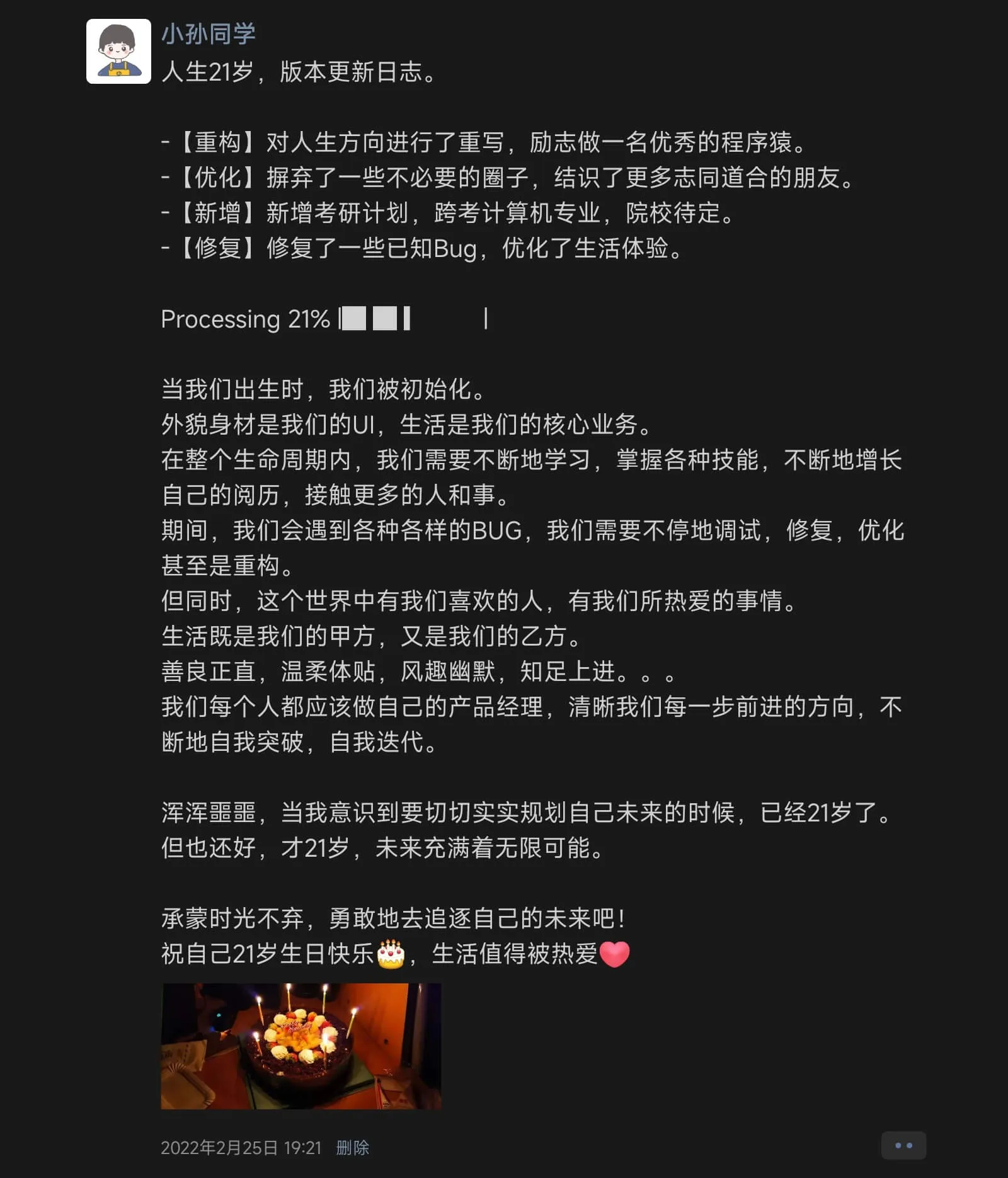
In my first and second years the exam never once crossed my mind, and I was careless about school. Later I found the thing that interested me.
What programming feels like
— from My Path Through Programs, by Lei Jun, founder of Xiaomi
A programmer lives in a kingdom of their own imagining
The moment I touched a computer I saw what was wonderful about it. A computer is nowhere near as complicated as a person. Write the program well and you get along with the machine. You can tell it to do what you want done.
In that moment you are fully in charge. Every time you sit down in front of it, you are walking your kingdom. Days like that are a kind of heaven.
The world inside a computer is large. A person who programs lives in a kingdom they imagine. You can picture the thing down to every byte, every bit.
I love this work. I am sure I will do it for the rest of my life.
…
Programming is a practical art
Programming is a tool for making things and for saying who you are, the way a score is for a musician, color for a painter, sentences for a writer.
No tool of making has ever been this strong, or this free. No tool has ever carried a mind that runs this far ahead of itself.
It can reach the moon, and it can catch a turtle in the deep sea. In an age exploding with information, it is the gift given to people on the technical side: a way to express ourselves, and a way to look into the distance.
How to go farther, and how to stay steady
Once the direction was set, I started thinking about how to go farther and how to keep my footing.
My technical background is not from a computer-science program, and that made me uneasy. I wanted more time in school. I wanted to see more, live more, and get better at the work, so that I would step into the thing I love with enough preparation.
That was the first idea.
A rough look back at the 2023 exam
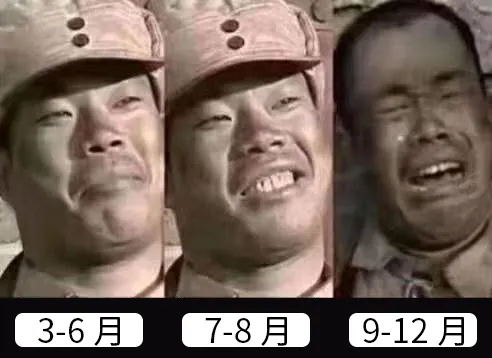
From when I started in March to the end of the exam in December, there were about three hundred days.
The time looks long. The hours that were actually useful have to be discounted, hard.
A difficult start
At the beginning I was lost. Whose lectures? Whose problem sets? Which school? Which stack of materials?
From March to June the university still had courses. In April, because of the pandemic, I was shut in the dorm for about a month. At the end of May and the start of June the final exams arrived.
In that stretch I skimmed some of the major courses, data structures and computer networks. I also went through the basics of advanced math and linear algebra once. For English I memorized some words and did some reading. Politics had not started.
The summer, which mattered
Summer is the golden period. I spent most of it on math and the major courses, and after that on English.
The heat made me restless. The foundation was weak, so the intensive stage was full of trouble.
An uneasy October and November
In October and November the main job was past papers and mock papers.
On the math, the real exams from before 2020 were manageable, but the amount of calculation is huge. Inside three hours it is hard to finish, at a decent standard, everything you actually know how to do. From 2020 on, the difficulty stepped up. There was more to think about and more to calculate, and I could not quite hold it. For mocks I mainly used Li Lin’s six sets and four sets, and I finished neither. I got close to falling apart.
I had not planned it well. By this stage I had forgotten a lot of the major-course material, so the past papers would not move forward. In the end I had to learn from the questions, and I worked the papers from recent years.
For English I did the reading from recent years. When time was not the constraint, the accuracy was decent. Inside the limit, it was hard to finish at that same standard.
I did not properly start politics until around the beginning of November. I had looked at some of it before, but it was not a system, and I had done no exercises. After about a week of theory I went straight into the multiple-choice section of Xiao Xiurong’s eight sets.
December, when I let go
At the end of November, provinces across the country reported a large number of new positive cases, and the pandemic turned severe again.
On December 4 the school found one positive case. The canteen stopped serving meals in the hall. The library closed. Students were told to stay in the dorms and isolate.
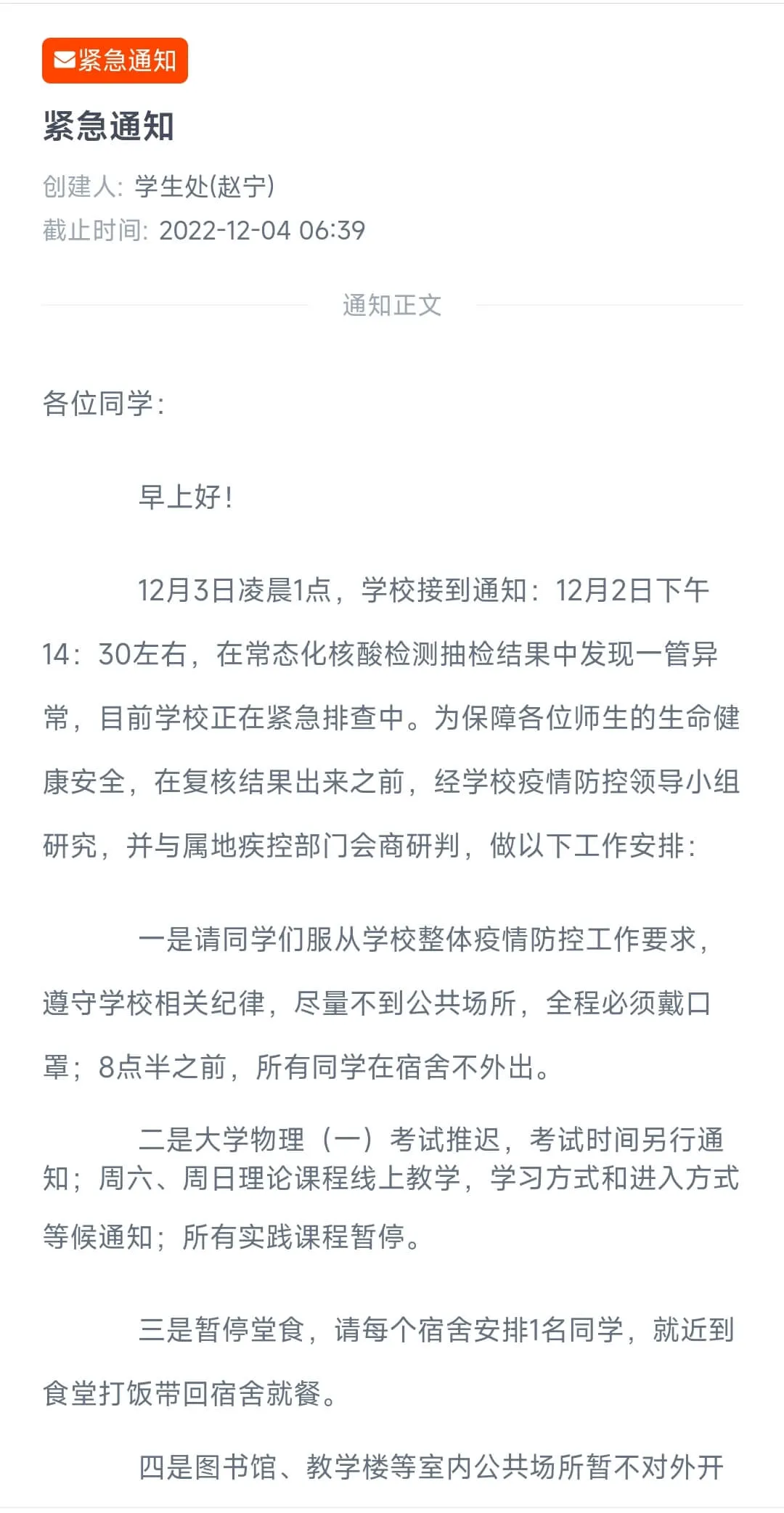
That isolation lasted about two days. I barely studied. In those two days the string that had been pulled tight went slack.
With the notice, at the end of November, that the national civil-service exam and various other exams would be postponed, the question of whether the 2023 graduate exam would move became a storm.
Stuck in the dorm, unwilling to study, I watched that news closely. Zhihu, Bilibili, Weibo. I scrolled through all of them.
Whether the exam would be postponed was tied tightly to the shape of the pandemic.
At first it came on fast. Local governments were still on the zero-COVID policy: mass testing, and quiet isolation.
Then, on December 7, the “new ten measures” came out. The policy turned sharply. Public opinion at home blew open.
When something this strange happens, there is a reason underneath. I went outside the Chinese internet and read some of the politics of the moment. All I can say is that this history has no date on it.
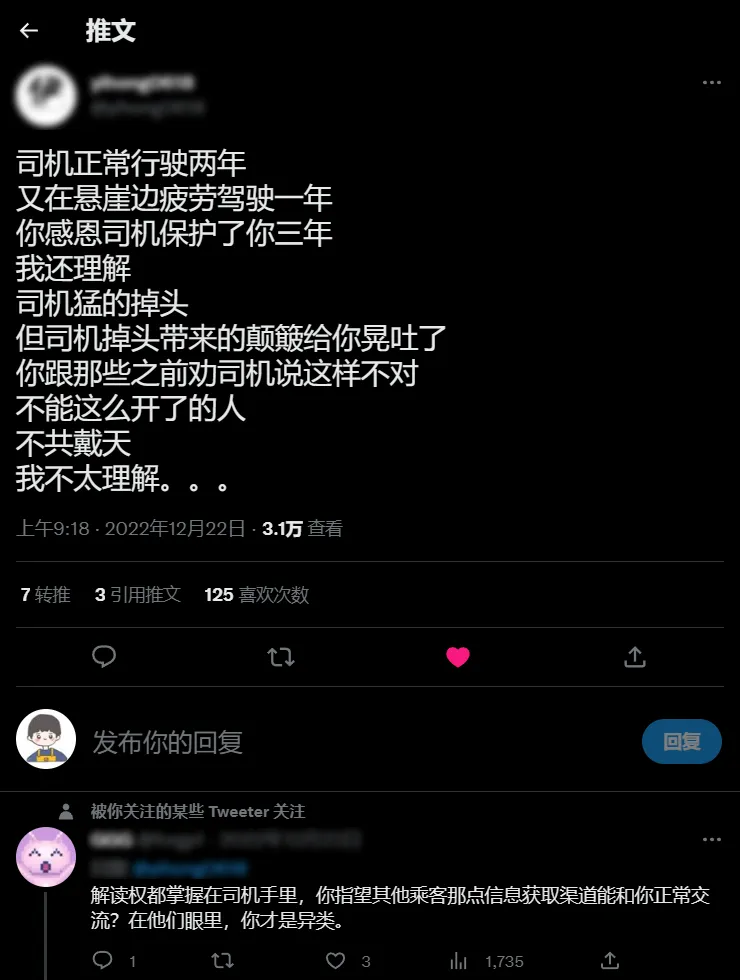
After the opening, more and more people tested positive.
On the 21st, by the rule, every candidate took a nucleic-acid test.
On the 22nd the school found a large number of positives.
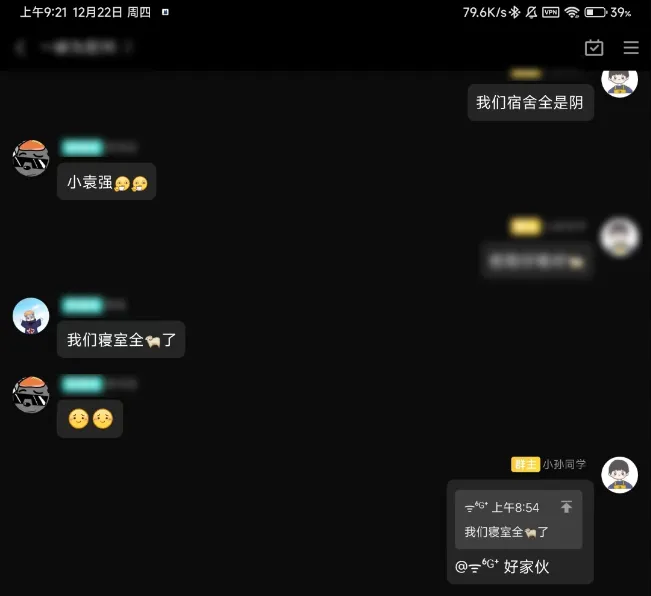
The calls to postpone the exam stayed loud until the night of the 23rd. But… the people who know, know.
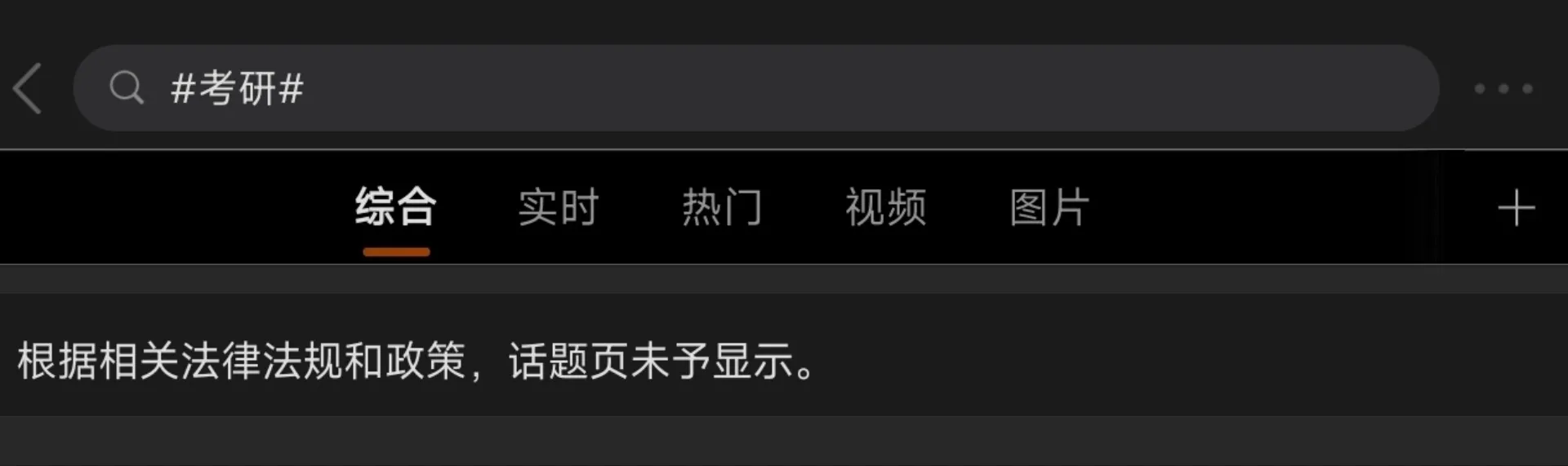
An ending like a play
On the 23rd, the night before the exam, I felt unwell and took my temperature. 37.7°C.
I was clearly tired, and I could not sleep. I turned over and over. In the end I rested a little more than an hour.
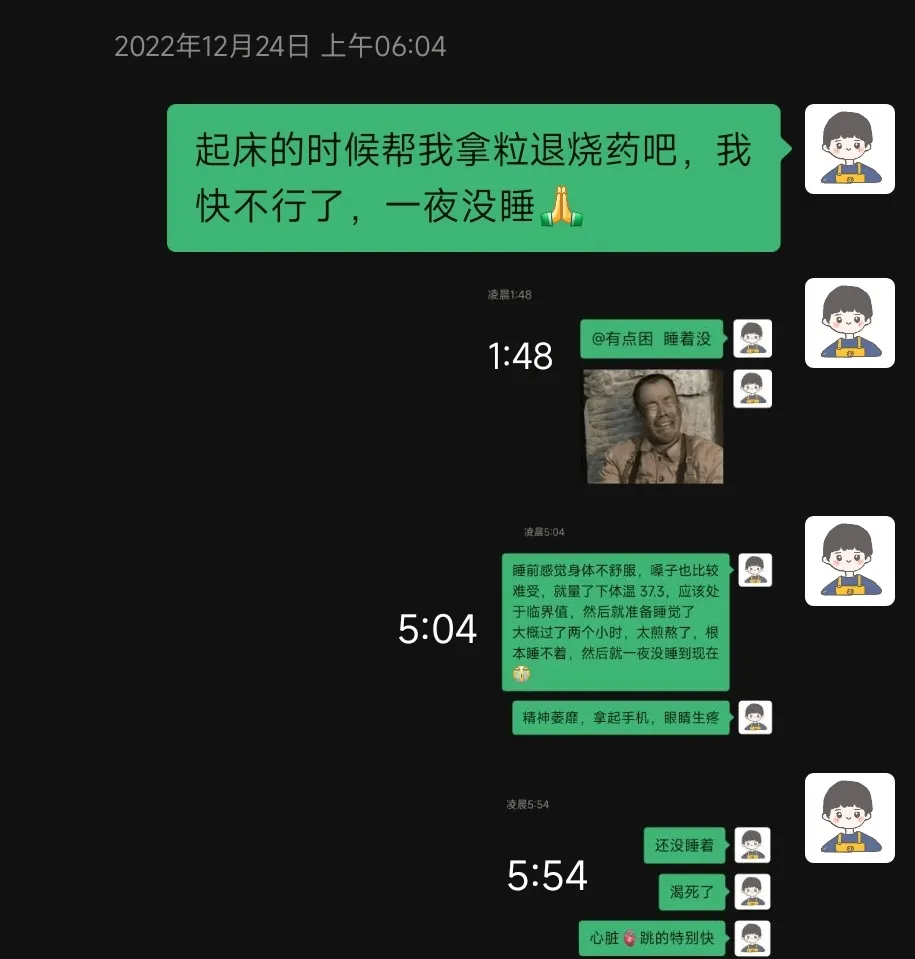
When I got up I took it again. 38.8°C.
The strange part was this. My body was genuinely hot, and my mind was unusually awake. In a haze, without a fever pill, I went to the exam room.
Once I sat down the discomfort grew. My head swam. By the end the fever hurt both eyes.
At 11:30 I walked out of the room with no strength left. A voice seemed to circle my ear: are you going back this afternoon?
I don’t know how long the walk from the teaching building to the dorm took.
Back in the room I took a fever pill and lay my head on the desk.
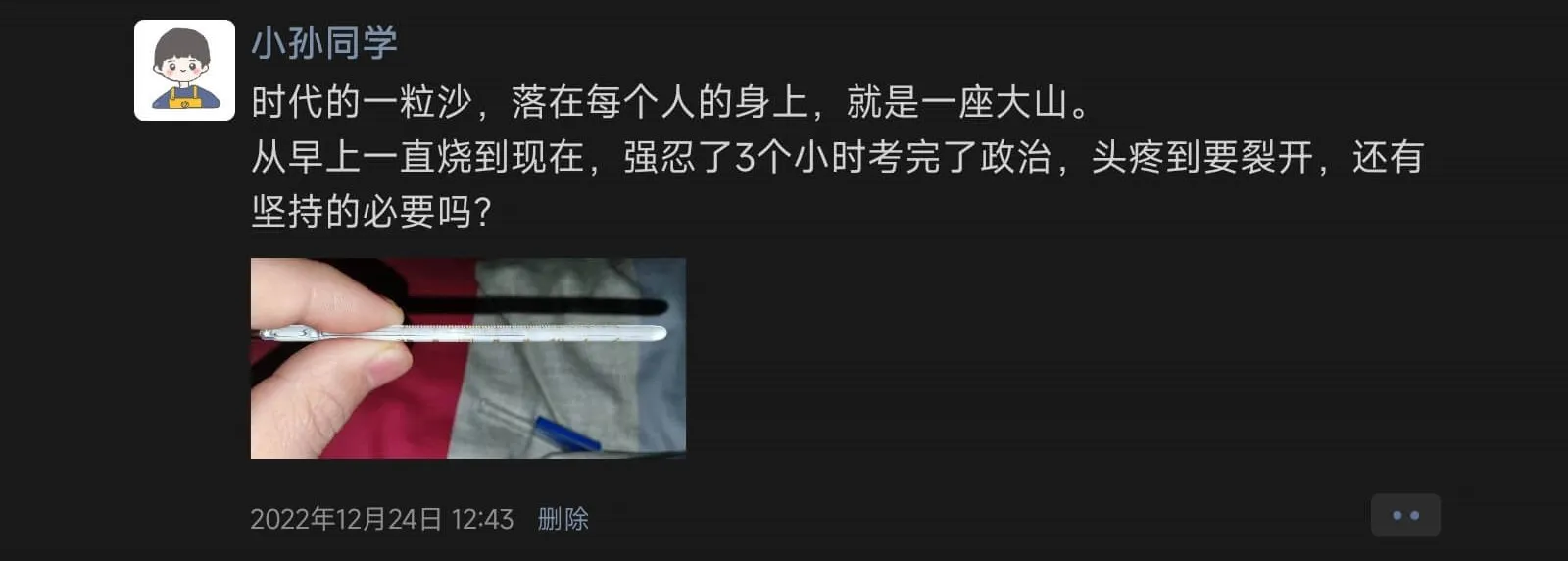
The body is the capital of any revolution, and the sky does not fall if you give up an exam. I thought about it for a long time, and I chose to stay with it.
If I had given up, I think the person I am now would blame himself badly.
Around 1:30 the fever had come down a little. I went back and sat the English paper.
The second day my body was better than the first. My throat still itched, and I still could not stop coughing.
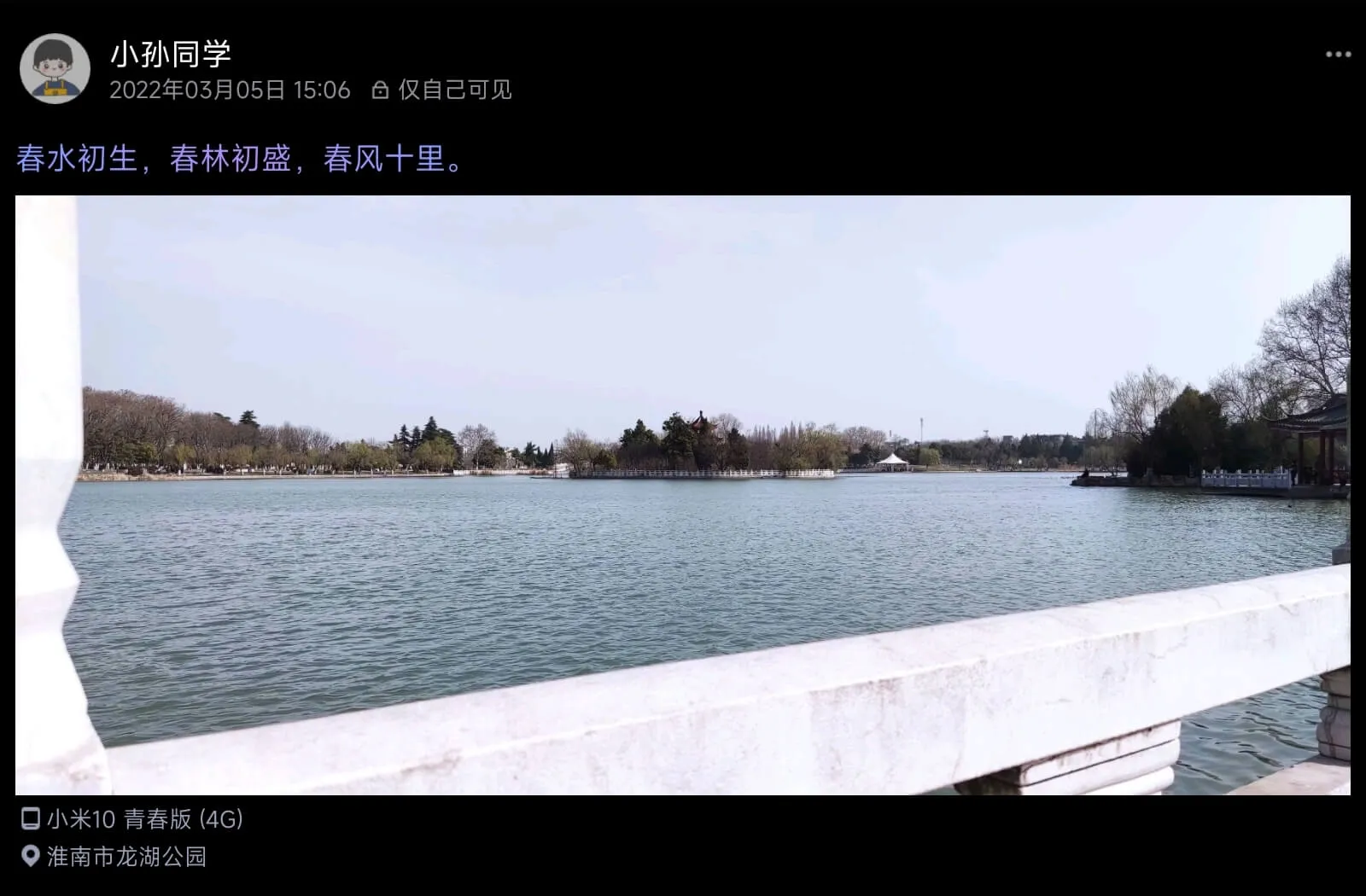
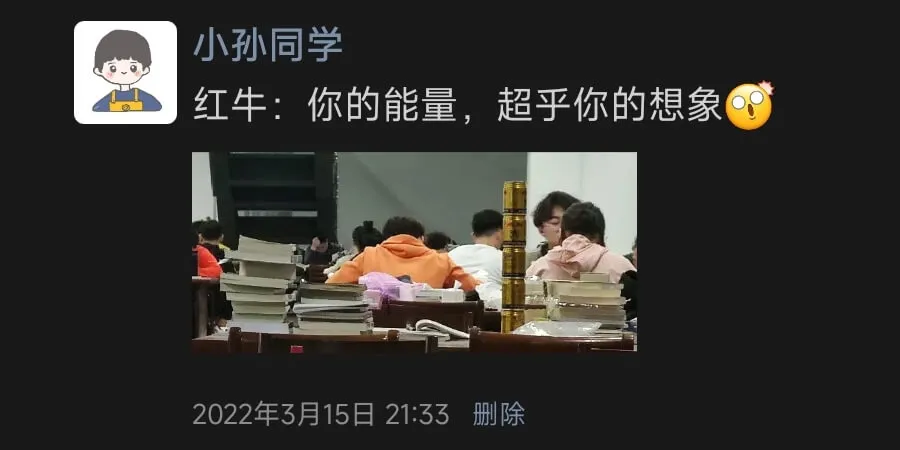
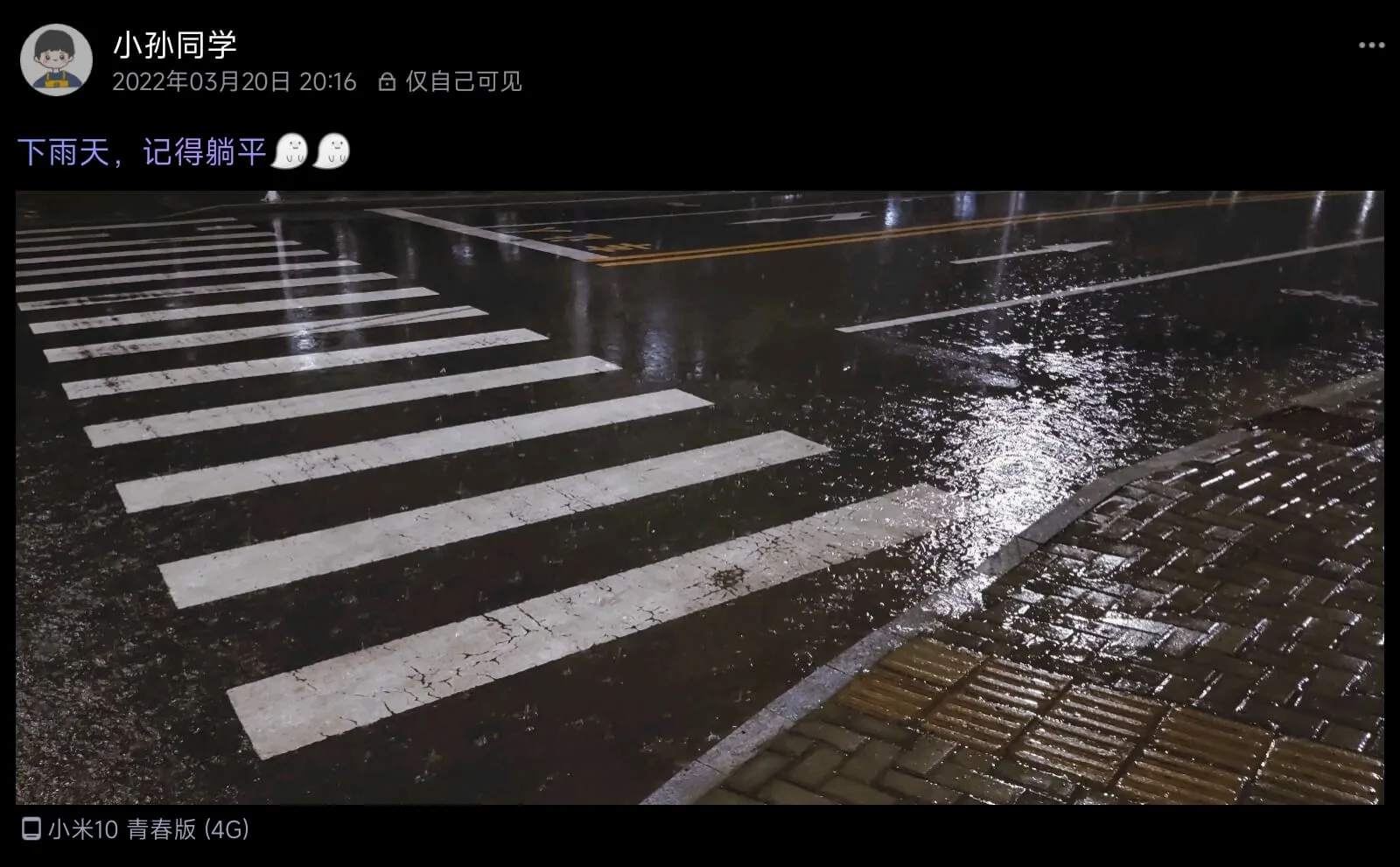
Scraps of life while I was preparing
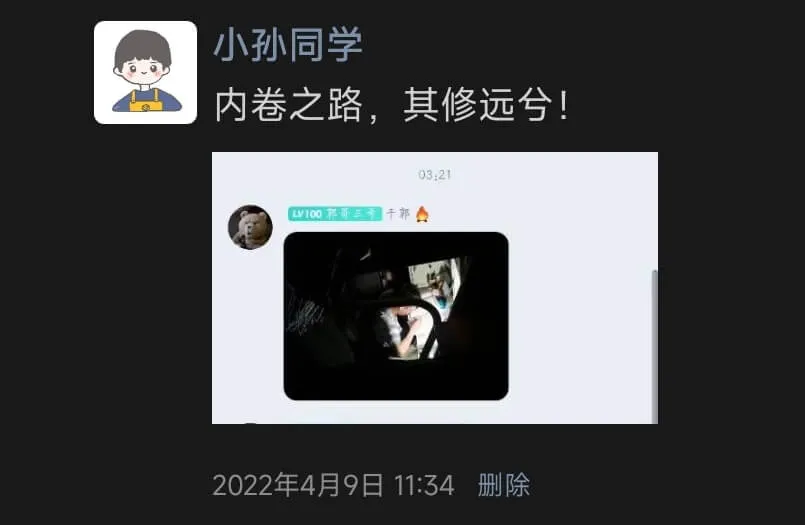
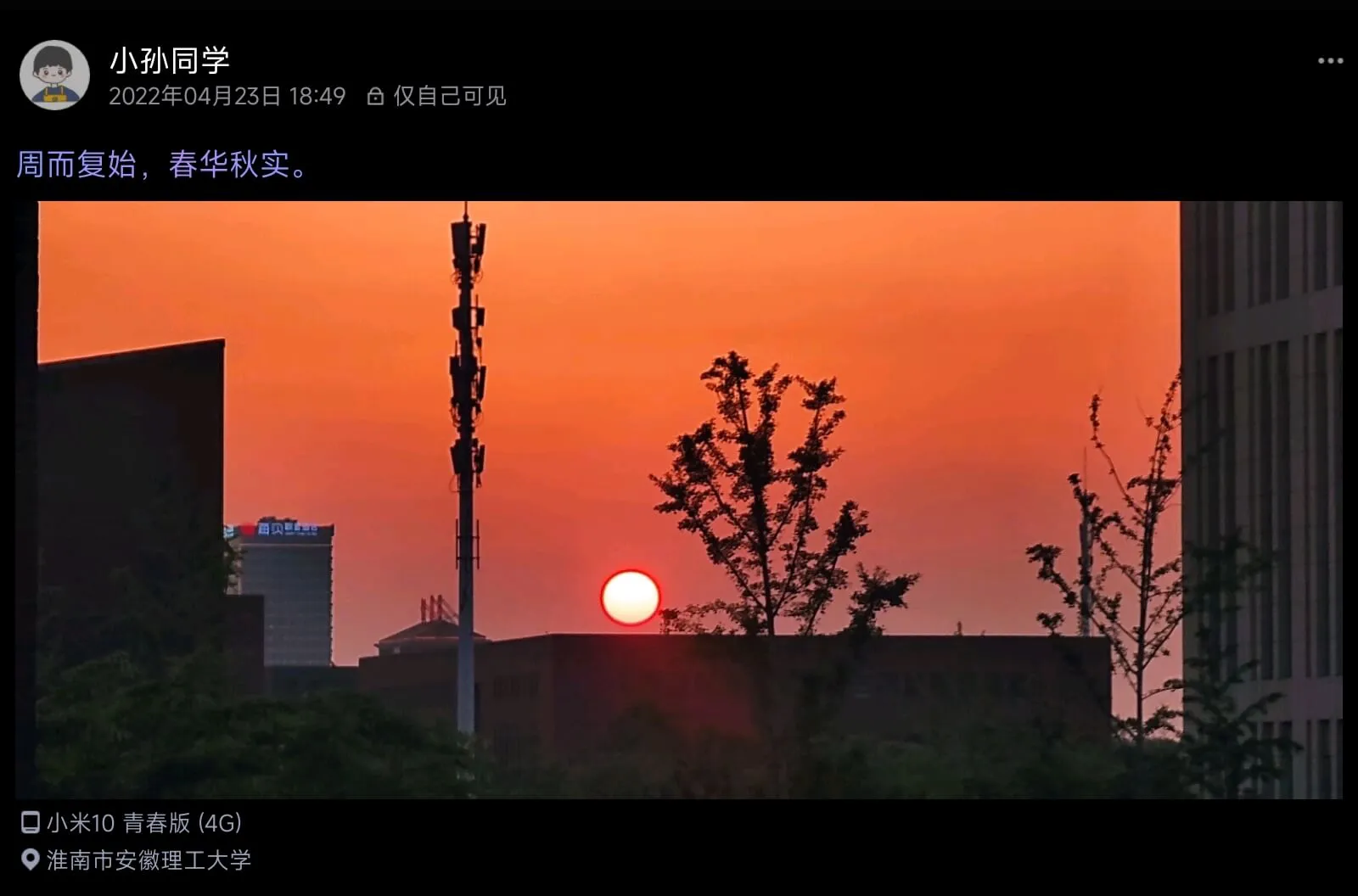
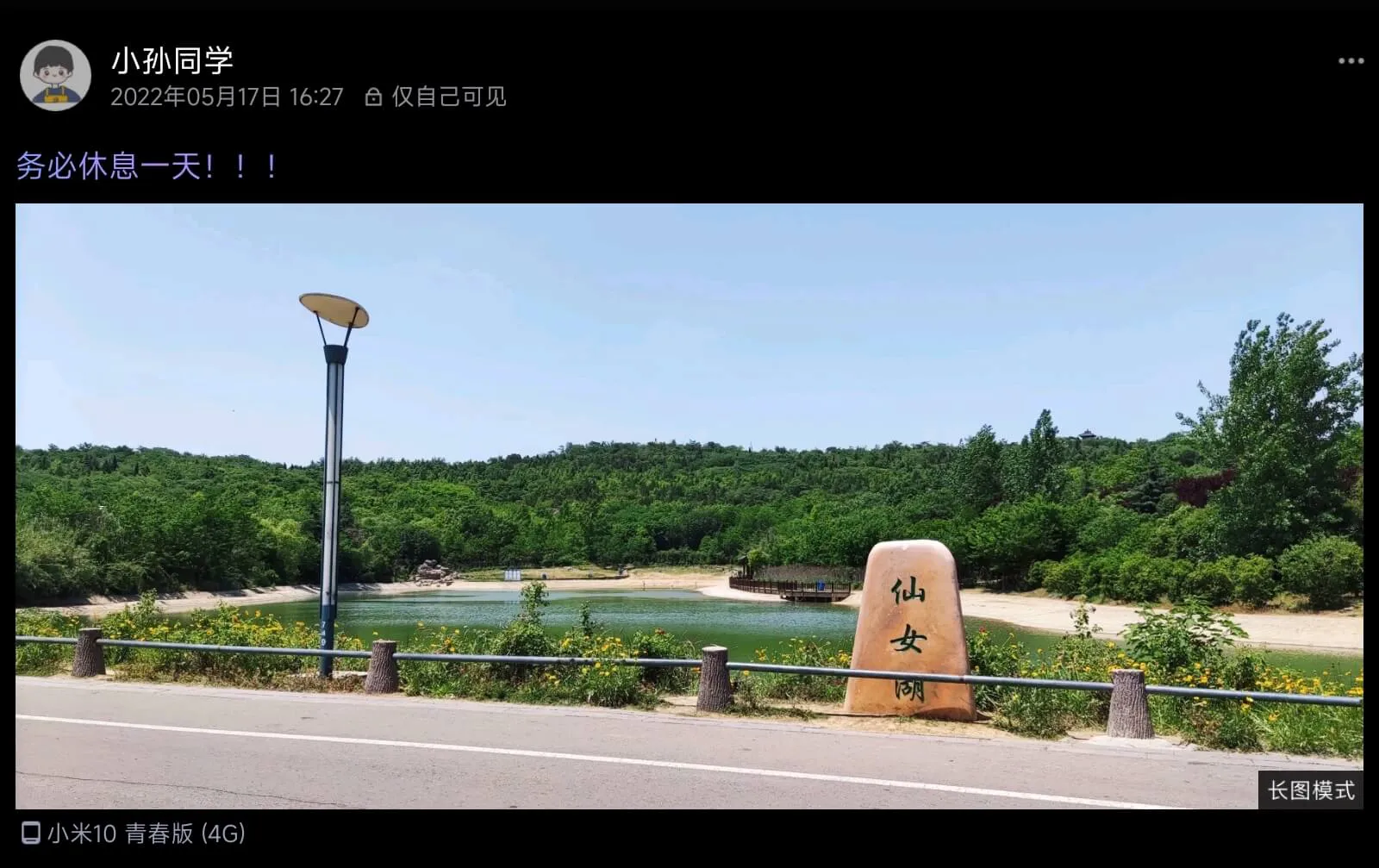
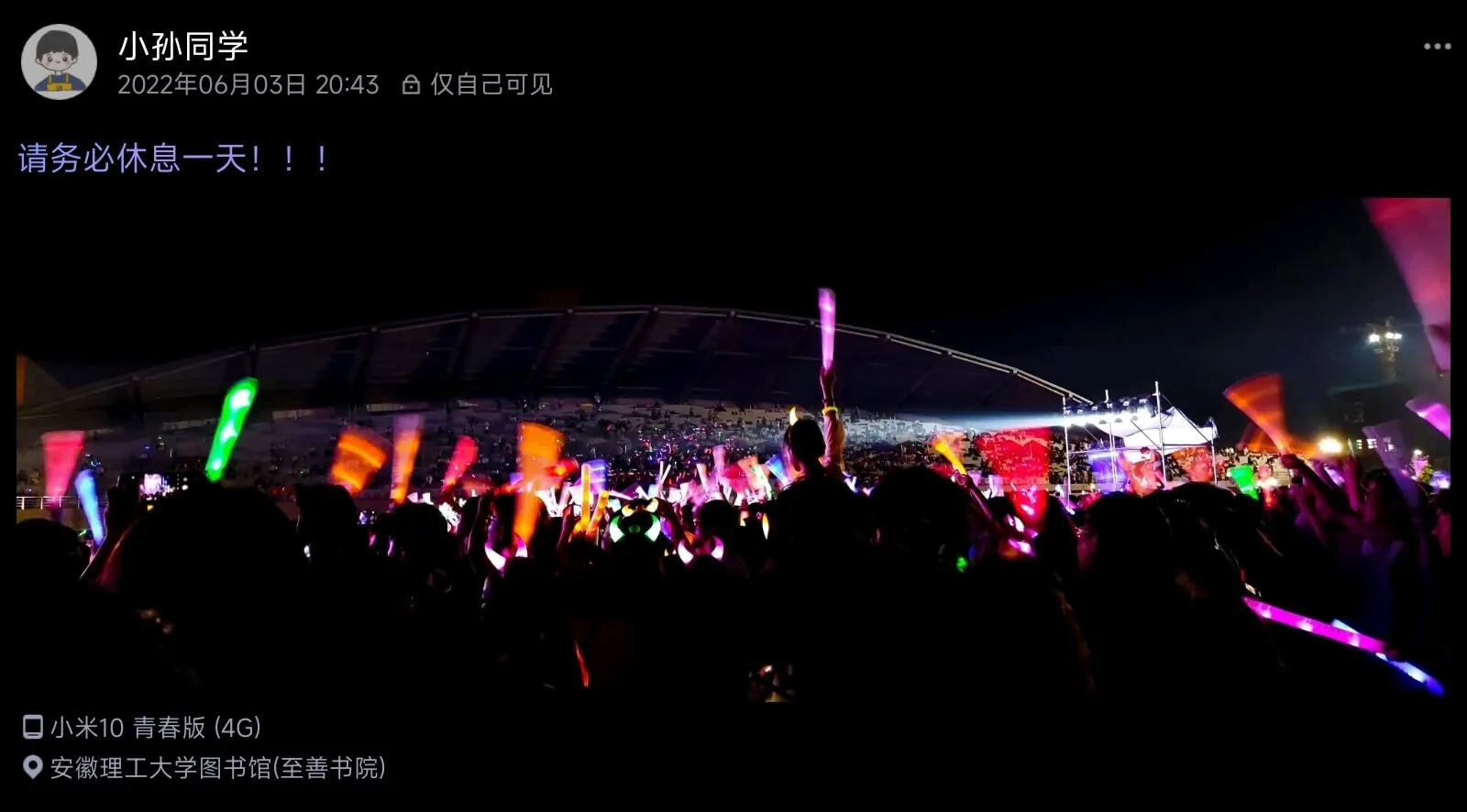
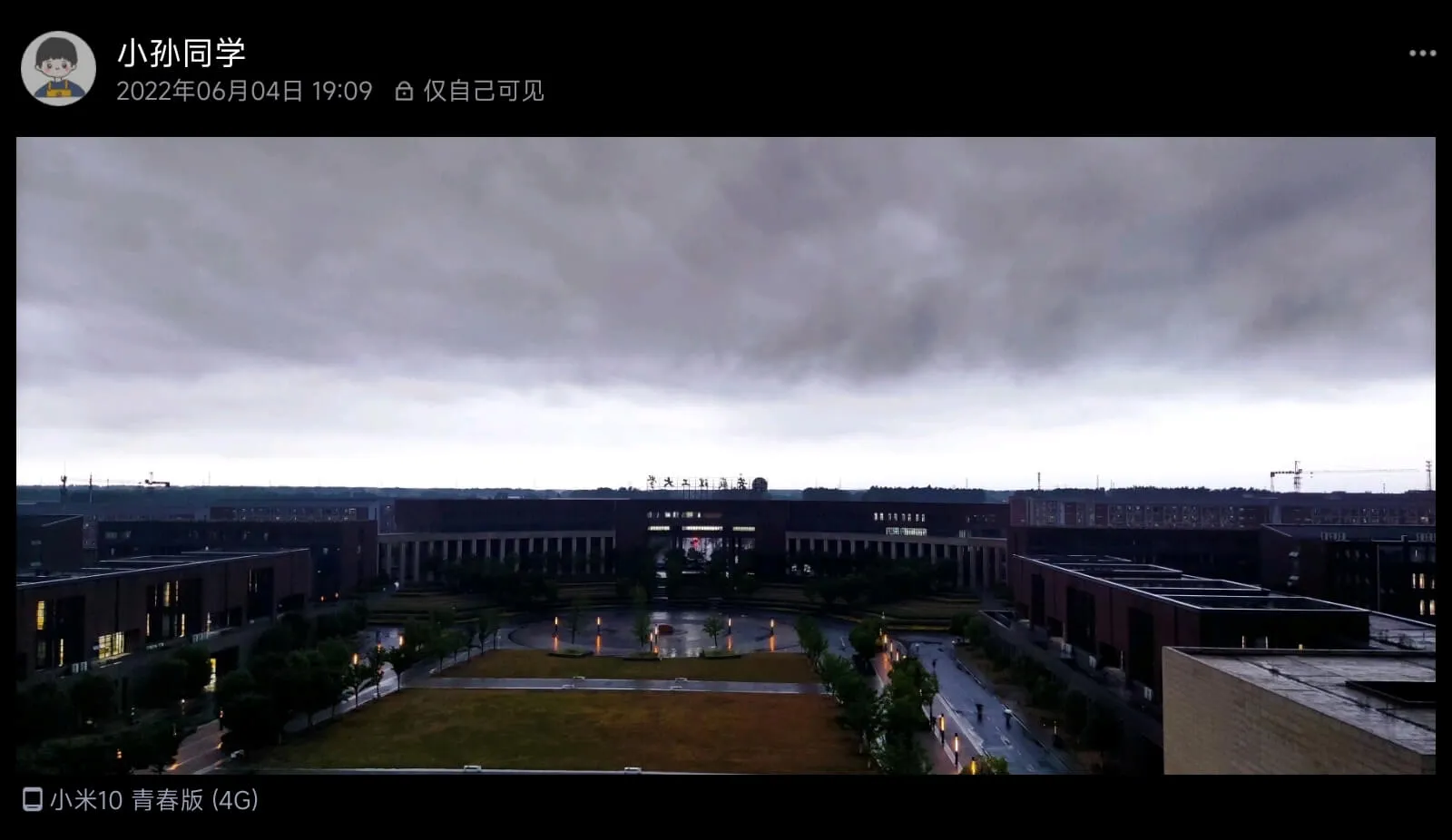
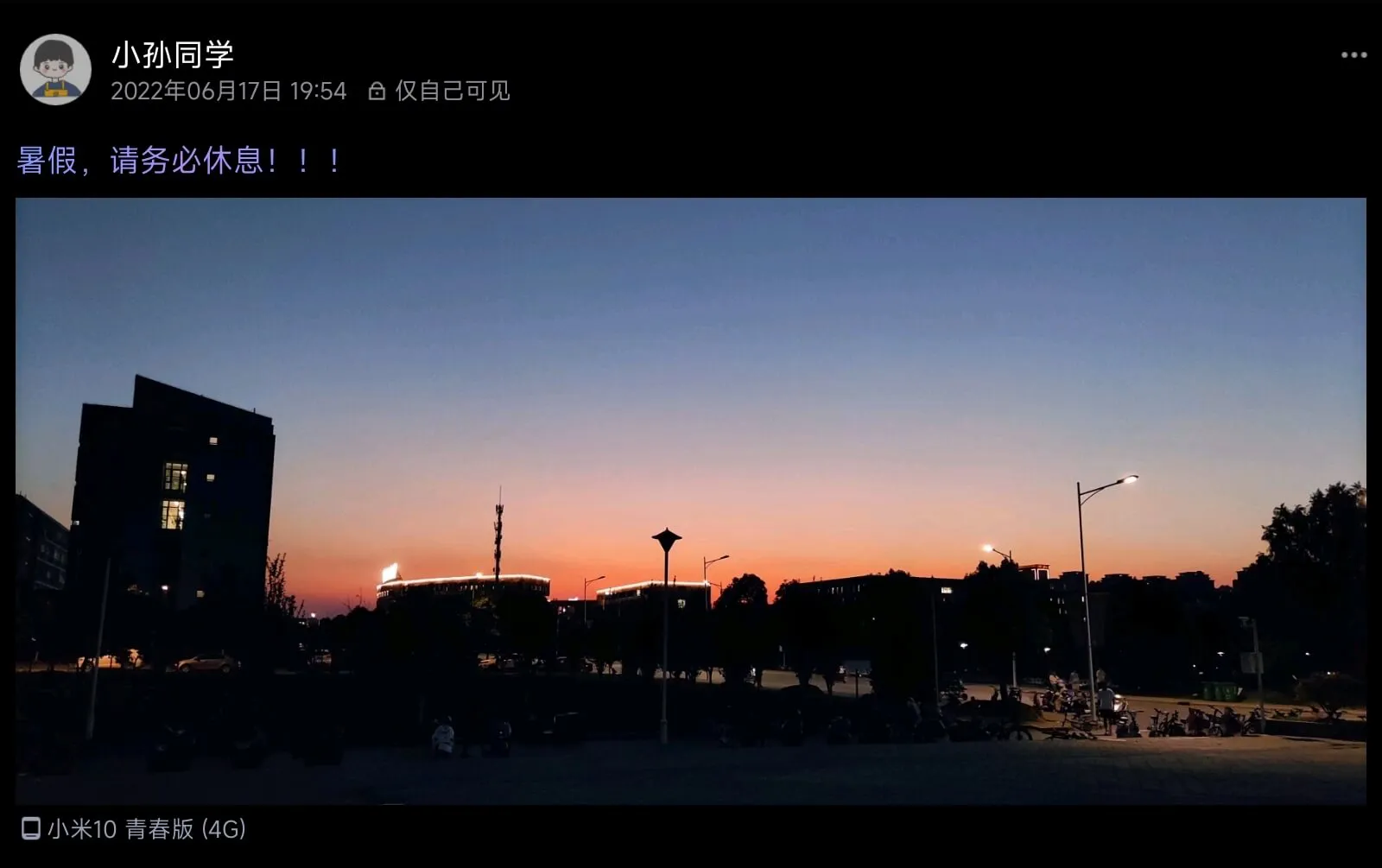
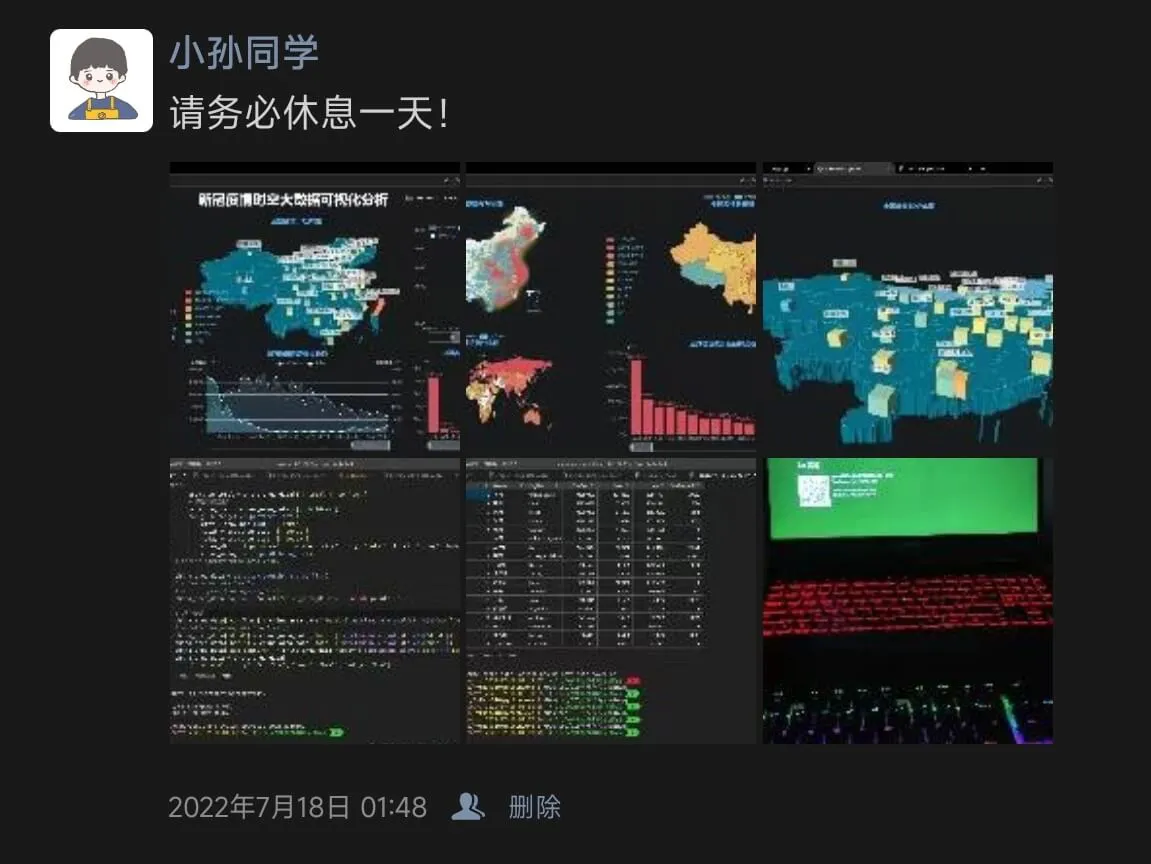
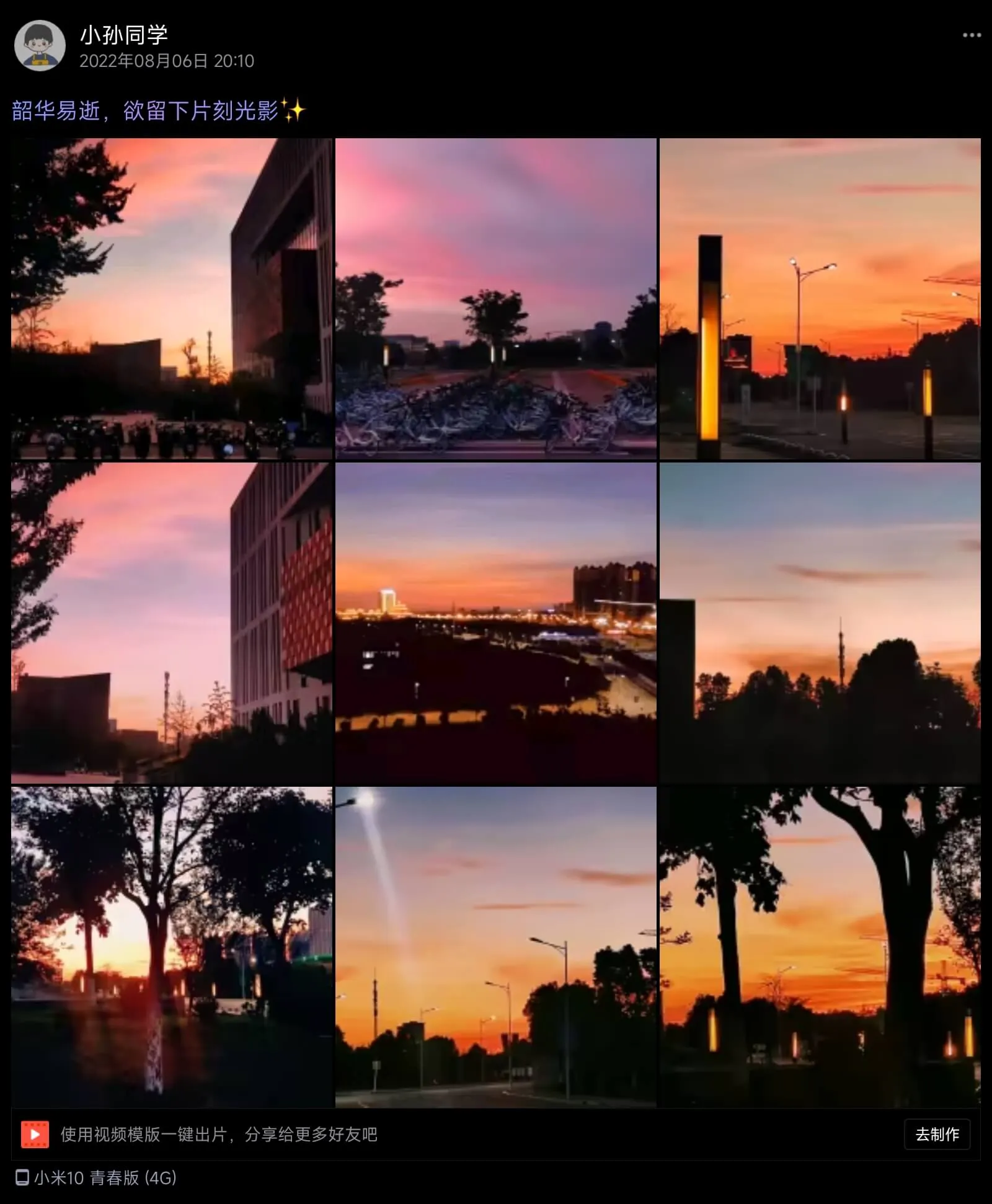
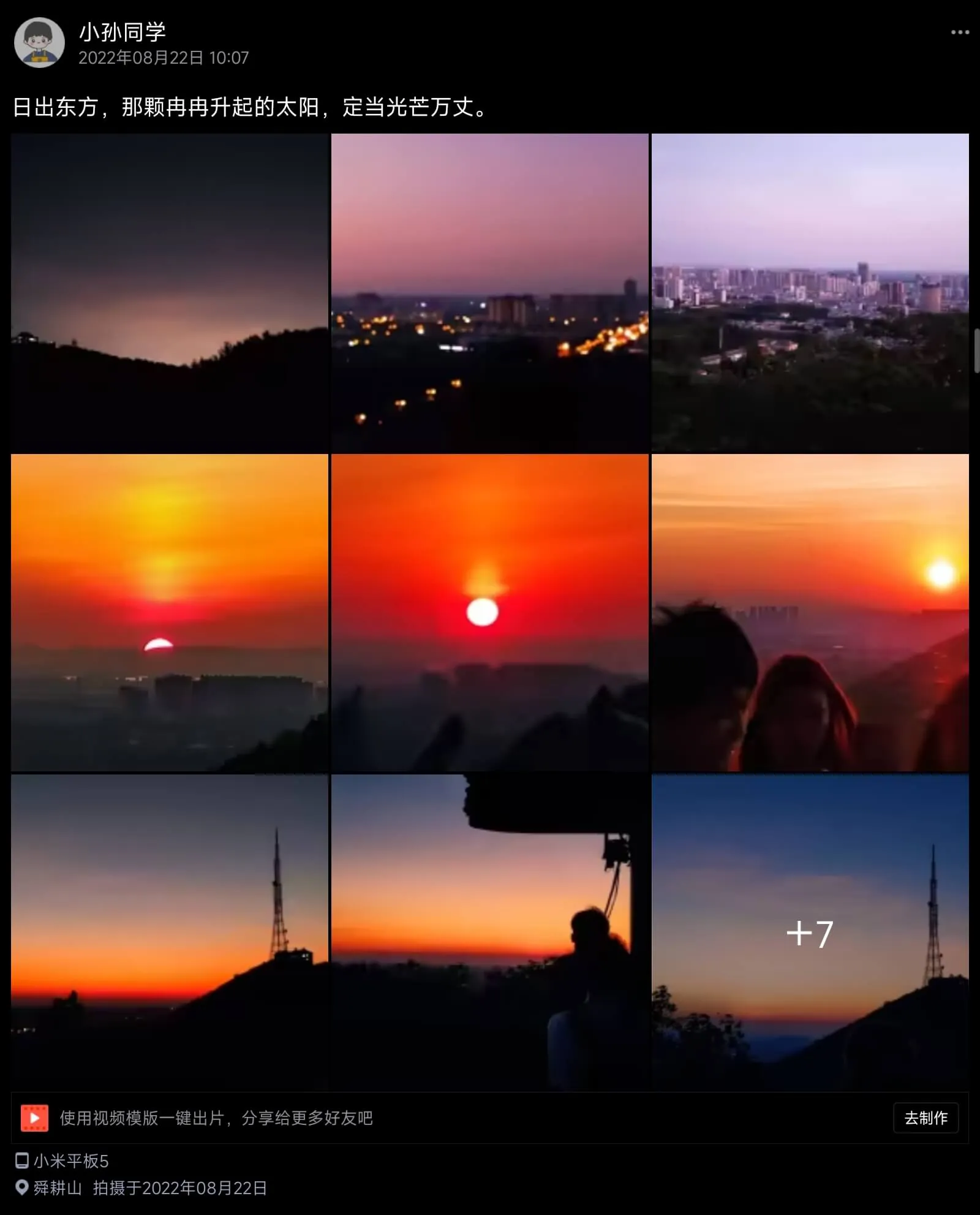
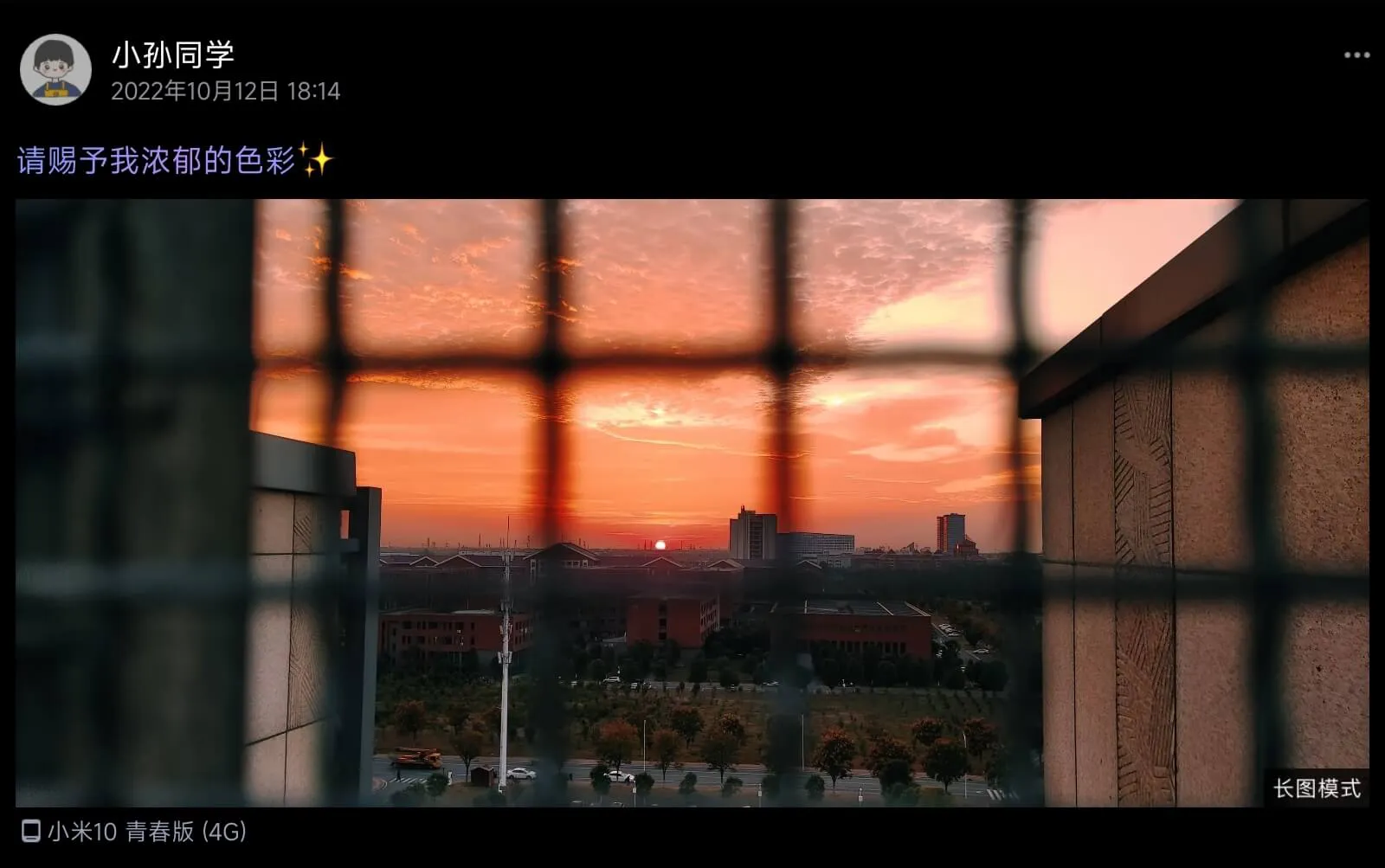
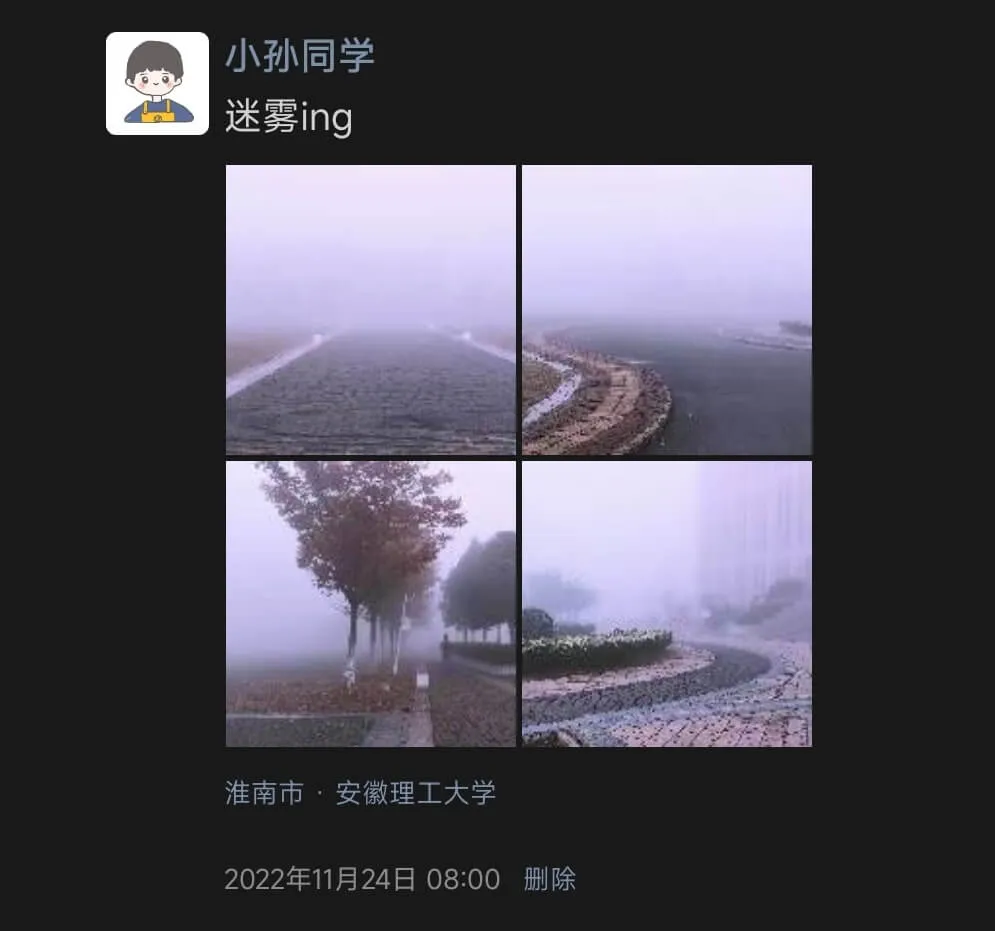
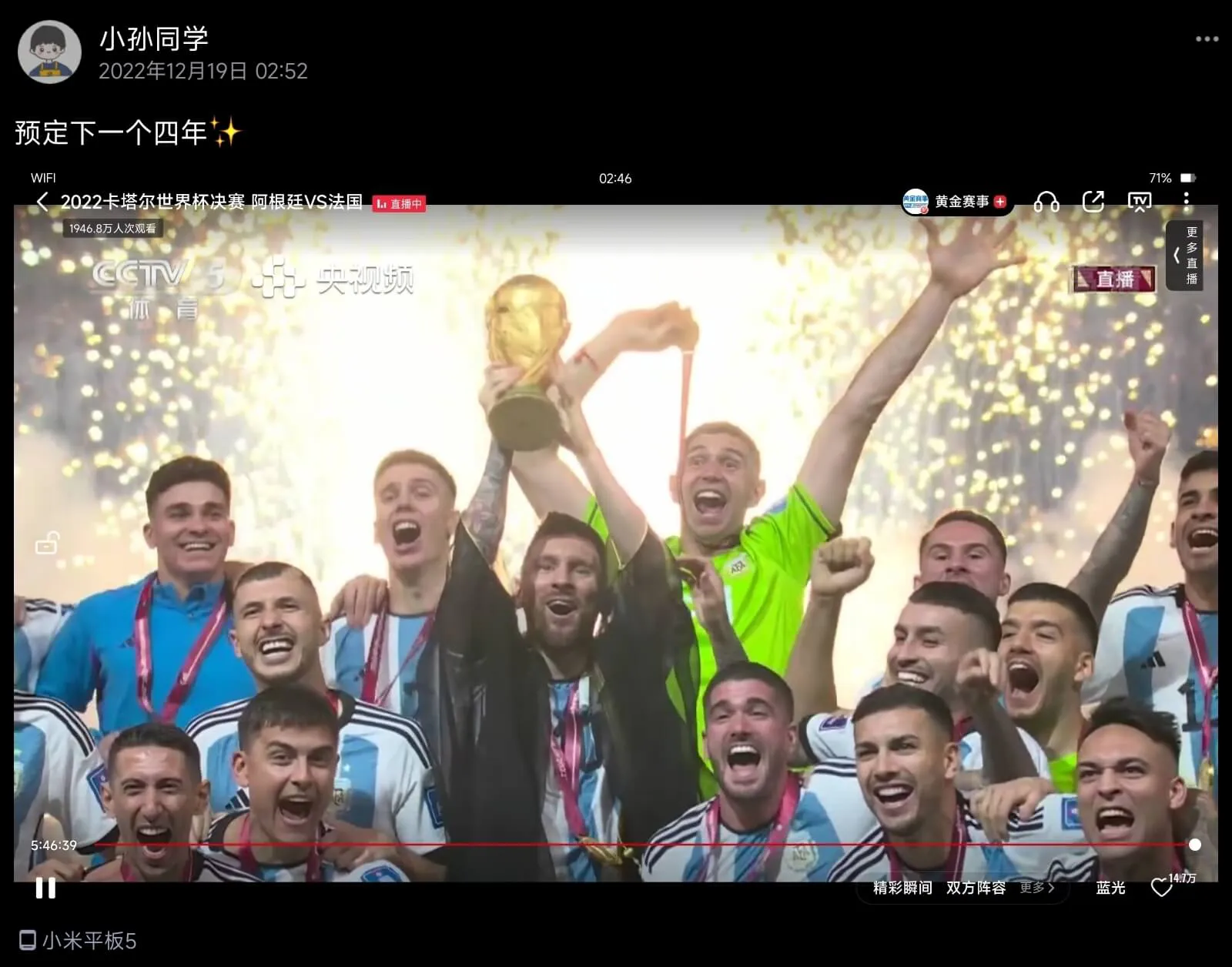
What the exam taught me
In his 2005 commencement speech at Stanford, Steve Jobs said this.
None of this had even a hope of any practical application in my life. But ten years later, when we were designing the first Macintosh computer, it all came back to me. And we designed it all into the Mac. It was the first computer with beautiful typography. If I had never dropped in on that single course in college, the Mac would have never had multiple typefaces or proportionally spaced fonts. And since Windows just copied the Mac, it’s likely that no personal computer would have them.
If I had never dropped out, I would have never dropped in on this calligraphy class, and personal computers might not have the wonderful typography that they do. Of course it was impossible to connect the dots looking forward when I was in college. But it was very, very clear looking backwards ten years later.
Again, you can’t connect the dots looking forward; you can only connect them looking backwards. So you have to trust that the dots will somehow connect in your future. You have to trust in something — your gut, destiny, life, karma, whatever. Because believing that the dots will connect down the road will give you the confidence to follow your heart, even when it leads you off the well-worn path, and that will make all the difference.
We cannot know what tomorrow will do. We still have to finish today.
Every stretch of experience means something. It may take five years, or ten, or twenty, before we see what it was worth.
A method for learning
I have never really known how to study efficiently. I am still looking.
Two and a half muddled years of college opened a gap in my learning, especially in the kind of study you need in order to sit an exam.
So at the start of the preparation I had to face a few questions directly. What is learning, at the root? How should a person study? How do you study so that more of the hour counts?
I read scraps of essays and watched a few popular videos. I touched a little knowledge of brain science, philosophy, anthropology, and psychology. A dragonfly on the water, nothing more.
Later I learned that this kind of research is gathered under an interdisciplinary name: cognitive science.
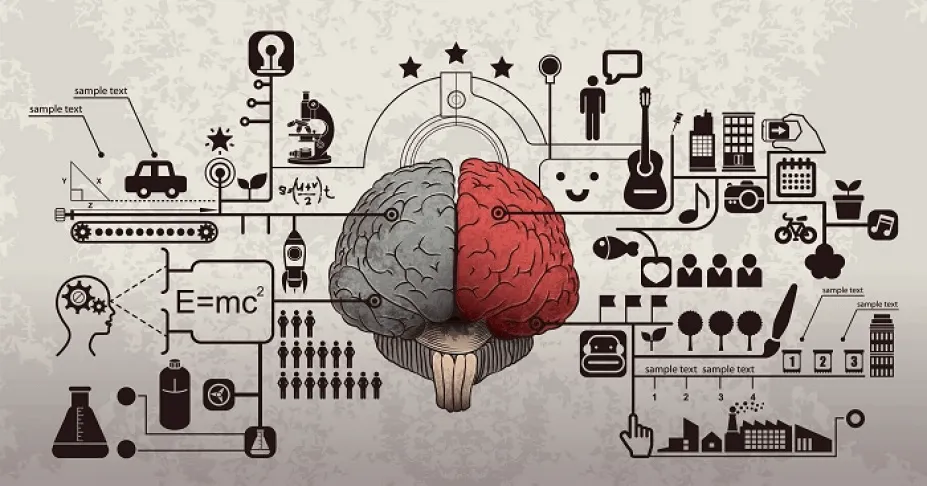
Cognitive science is an interdisciplinary field that studies how information takes shape in the brain, and how it is transcribed. It asks what cognition is, what it is for, and how it works. It studies how information shows up as sensation, language, attention, reasoning, and emotion. Its fields include psychology, philosophy, artificial intelligence, neuroscience, learning, linguistics, anthropology, sociology, and education. It crosses many levels of analysis, from the low-level mechanisms of learning and decision, up to high-level logic and planning, and the neural circuits of the brain. The phrase “cognitive science” was coined by H. Christopher Longuet-Higgins in 1973, in a commentary on the Lighthill report, a book on the state of artificial-intelligence research at the time. Within the same ten years, the journal Cognitive Science and the Cognitive Science Society were founded in California. The basic claim is this: the best way to understand thinking is to understand the representational structures in the brain, and the computational processes that run inside those structures.
An ordinary driver only needs the basic operations. There is no need to understand how the car works.
If you are a racing driver, I think you need to know more about the car, or you will never get the performance out of it.
I noticed this question for the first time at the start of the preparation. I am still on it.
The trap of growing up
While I was preparing, I happened onto a book called Cognitive Awakening.
Our ignorance of ourselves makes us look like people who are asleep while awake.
I know a person cannot be awake and asleep at the same time. The two obviously contradict each other.
So before you point out the logical error, come with me along the track of a life. You may end up agreeing.
If nothing goes wrong, each of us grows along the line of childhood, school, work, and marriage, carried forward by the inertia of living.
When we are young, almost no one thinks their future will turn out badly. A good life, we assume, will arrive on its own.
Even if we cannot yet say what to do, a full confidence is enough. Youth is unbeatable.
Reality is not always what we pictured.
After years with that confidence beside us, most people find they have not become more particular. They have started to drift, complying with social rules and coping with the irritations of life.
Scroll the phone when it is time to scroll. Play the game when it is time to play. Not much pressure, not much drive. The days are passable, and the hope is still in the chest.
Once in a while they struggle and shout, then go back to the short-sighted choice, sunk in the comfort in front of them.
They do not know the rules this world runs on. They do not know the frame of things. They are not clear on the method of effort, or on what they truly want, what they can do, or what they will become.
Like a person who cannot open their eyes, they cannot see that another world is right there.
They muddle along to a certain age and suddenly find they can do nothing about this world.
The gap between the dream and the life is huge. Pressure from living and from work wraps around them, and the excellent people their age are already gone, out of sight.
Anxiety and impatience rush in. Regret and despair come down on the head. Everything feels finished, and at the same time they wake as if from a dream.
“Why didn’t I know the truth of this world sooner? Why didn’t I wake up in the best years?”
Even asked in tears, it seems late. A life is a one-way road. You cannot start it over.
In the end they have to break that proud heart, and quietly accept an ordinary life, in helplessness and in a sigh.
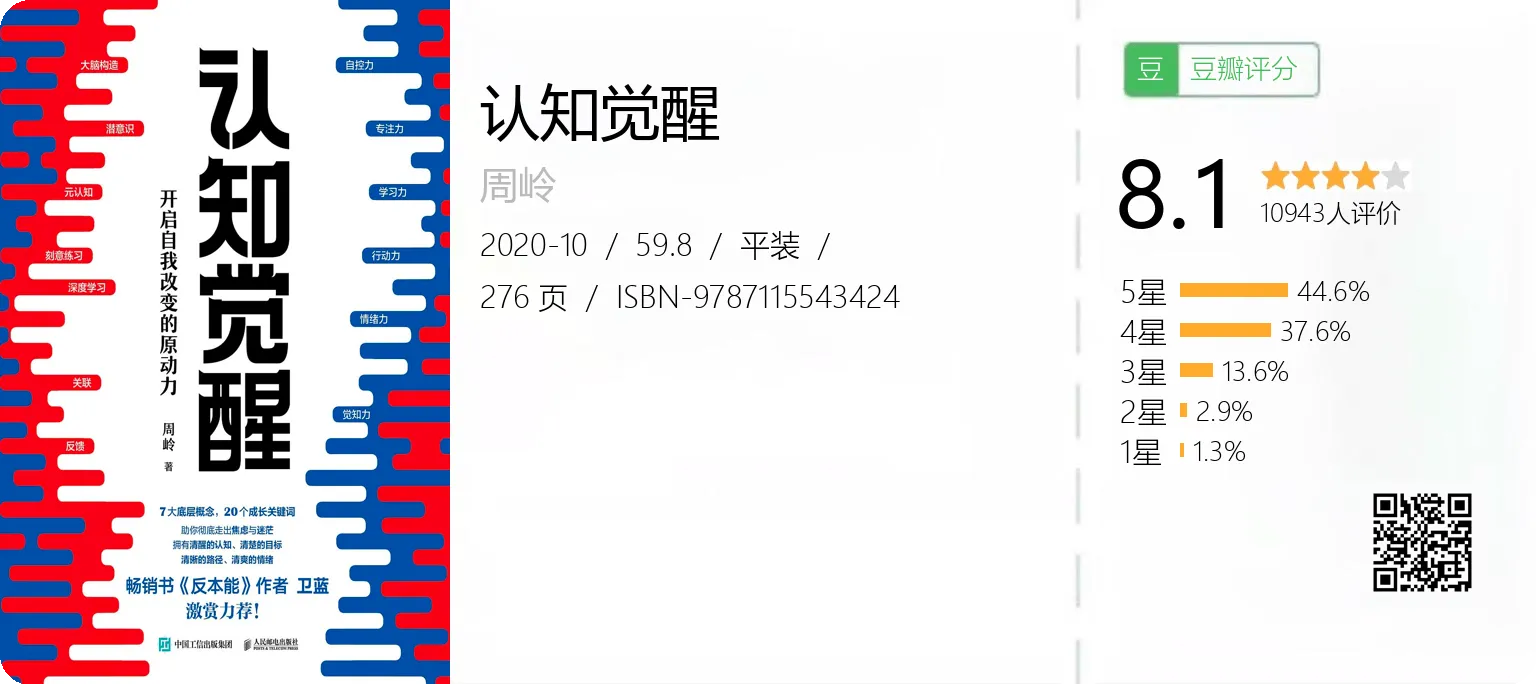
The book changed me. It made me look hard at the past.
Why do we study? Why sit the college entrance exam? Why, once we are at university, did we choose this major? Why the graduate exam?
Often we have no clear aim. Parents, society, and the times push us forward.
Before eighteen we study desperately for one exam. What is on the other side of the mountain?
“Once you are in college you will be free.” Is that true?
More often we are not the director of the life. We are an actor in it.
You will never be ready
In his 2019 speech at Stanford, Tim Cook said this.
Fourteen years ago, Steve stood on this stage and told your predecessors: “Your time is limited, so don’t waste it living someone else’s life.” Here’s my corollary: “Your mentors may leave you prepared, but they can’t leave you ready.”
When Steve got sick, I had hardwired my thinking to the belief that he would get better. I not only thought he would hold on, I was convinced, down to my core, that he’d still be guiding Apple long after I myself was gone. Then one day he called me over to his house and told me that it wasn’t going to be that way. Even then, I was convinced he would stay on as chairman. That he’d step back from the day to day but always be there as a sounding board.
But there was no reason to believe that. I never should have thought it. The facts were all there. And when he was gone, truly gone, I learned the real, visceral difference between preparation and readiness. It was the loneliest I’ve ever felt in my life, by an order of magnitude. It was one of those moments where you can be surrounded by people, yet you don’t really see, hear, or feel them. But I could sense their expectations.
When the dust settled, all I knew was that I was going to have to be the best version of myself that I could be. I knew that if you got out of bed every morning and set your watch by what other people expect or demand, it’ll drive you crazy.
So what was true then is true now. Don’t waste your time living someone else’s life. Don’t try to emulate the people who came before you to the exclusion of everything else, contorting into a shape that doesn’t fit. It takes too much mental effort — effort that should be dedicated to creating and building. You’ll waste precious time trying to rewire your every thought, and in the meantime you won’t be fooling anybody.
Graduates, the fact is, when your time comes, and it will, you’ll never be ready. But you’re not supposed to be. Find the hope in the unexpected. Find the courage in the challenge. Find your vision on the solitary road.
Don’t get distracted. There are too many people who want credit without responsibility. Too many who show up for the ribbon cutting without building anything worth a damn.
Be different. Leave something worthy. And always remember that you can’t take it with you. You’re going to have to pass it on.
Wait until you are ready, then travel.
Wait until you are ready, then start a company.
Wait until you are ready, then make something in public.
Wait until you are ready, then go after love.
In fact we are never ready. Finished matters more than perfect.
Hello, NIO. Hello, the future.
On February 8, 2022, I received an email.
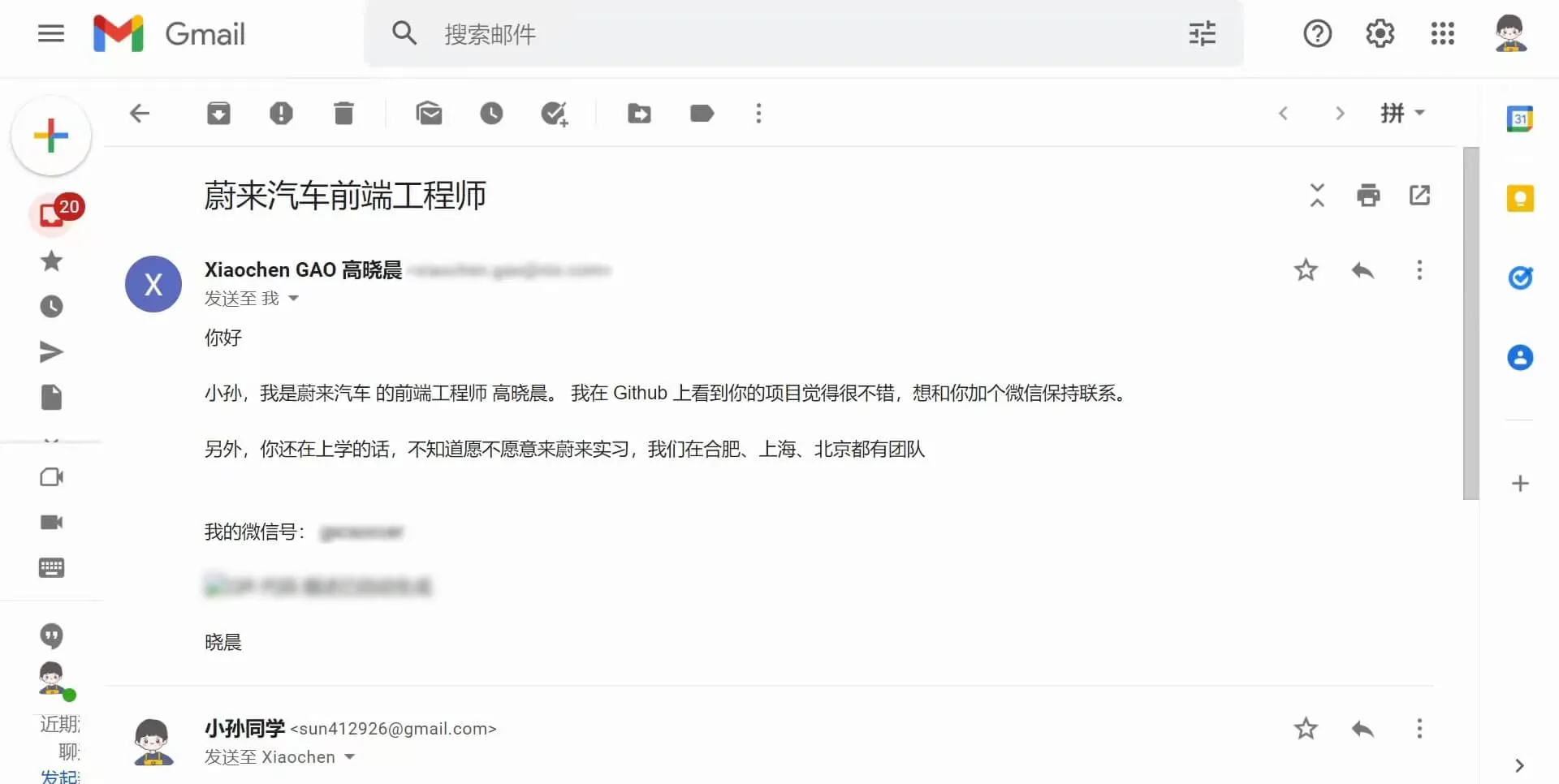
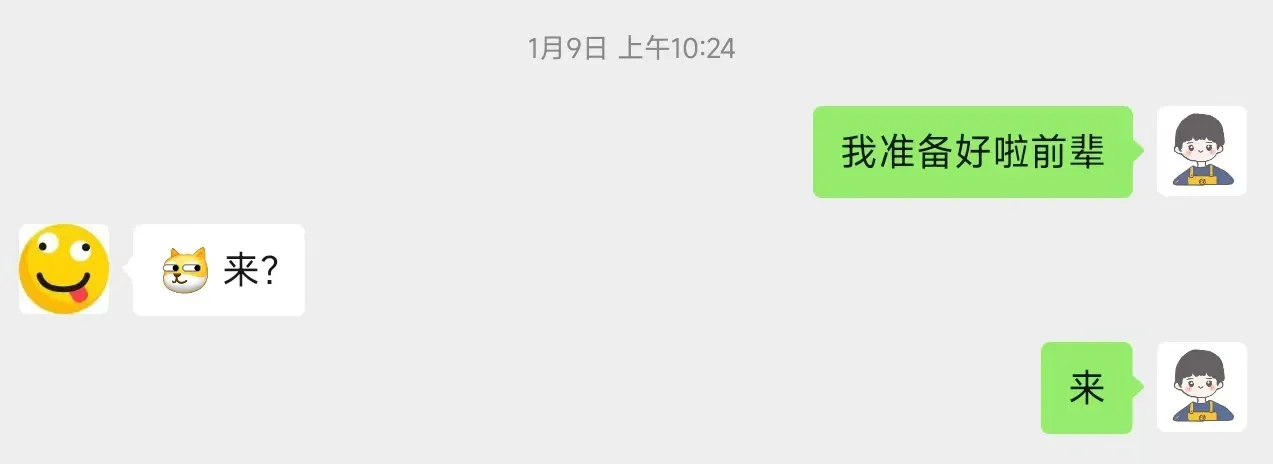
On January 9, 2023, I decided to take the leap.
Find hope where you did not expect it. Find courage inside the challenge.
Hello, NIO. Hello, the future. Goodbye, 2022.